


 Shkruar nga Pamfleti
Exiled in the West, Valery Gergiev seeks to return to European stages, while Teodor Currentzis continues concerts in several EU countries
Valery Gergiev dreams of a concert in Paris. The Russian conductor, close to the Kremlin, wants to return to France. "For a concert on the occasion of the Debussy jubilee in 2027. Culture is the starting point towards the normalization of our relations," Alexeï Mechkov, Russia's ambassador to France, told Le Monde on February 17.
The 72-year-old maestro, a central figure in President Vladimir Putin's cultural elite, aims to return to European stages with the support of Russian diplomacy and the help of European music agents. The 165th anniversary of Claude Debussy's birth could serve as an opportunity. A musical pretext for a politically weighty event.
Since February 24, 2022, while he had over twenty years of contracts in Europe and the US, Gergiev was called upon to condemn Russia’s “special military operation” against Ukraine. He refused. In the 2012 presidential election, he had openly supported Putin. In 2014, he signed a letter in support of the annexation of Crimea. In 2016, he appeared with his orchestra in Palmyra, a Syrian city recaptured from Bashar al-Assad’s forces with the help of the Russian army. In 2022, his positions and silence on the war led to his exclusion from Western stages: Paris, Milan, New York, as well as the Verbier and Salzburg festivals. The front against Gergiev seemed united.
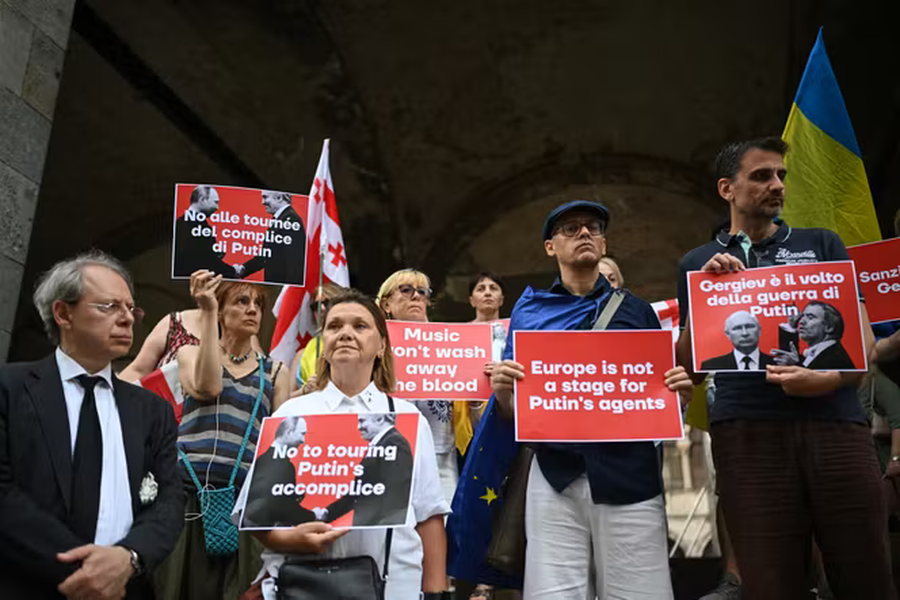
But the Kremlin is using “Great Russian culture” to normalize the presence of tanks in Ukraine. According to researcher Lucas Aubin from IRIS, this influence war is turning into “sharp power”: penetrating the opponent’s space to spread its own narrative. He emphasizes that Moscow accuses the West of politicizing culture, while itself using it for political purposes.
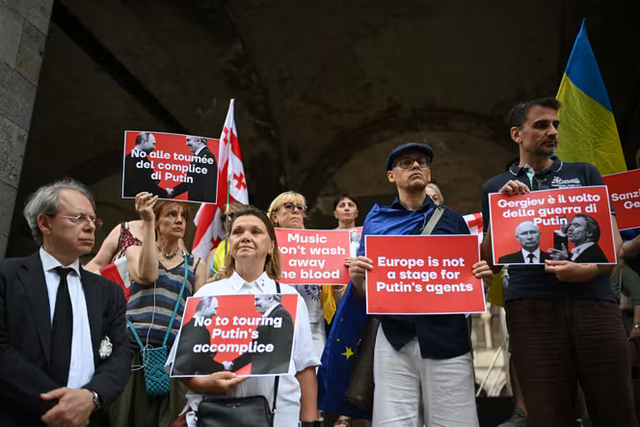
In July 2025, this “special musical operation” almost succeeded: Gergiev was scheduled to perform at the Un’Estate da Re festival near Naples. After protests from Ukrainian organizations and European political support, the concert was canceled. Moscow reacted by accusing it of Russophobia.
Russian pianist Evgeny Kissin, a Kremlin critic and declared a “foreign agent” in 2024, says classical music is being used as a propaganda weapon. He says Russian state-funded orchestras should not be invited to the West and that history will judge the middlemen who help bring them back.
Inside Russia, according to one conductor in exile, there is a “cold civil war”: most are silent, while a few openly oppose. He emphasizes that inviting artists affiliated with the regime is not only a cultural act, but also a political one.
Although unwelcome, Gergiev continues to travel to Europe, especially Italy, where he meets with organizers and agents. Some of them express their willingness to invite him, but cautiously due to public pressure.
Russia's cultural strategy is based on official documents. A 2010 report by the Russian Foreign Ministry emphasizes the use of cultural diplomacy to improve the country's image and spread cultural achievements abroad.
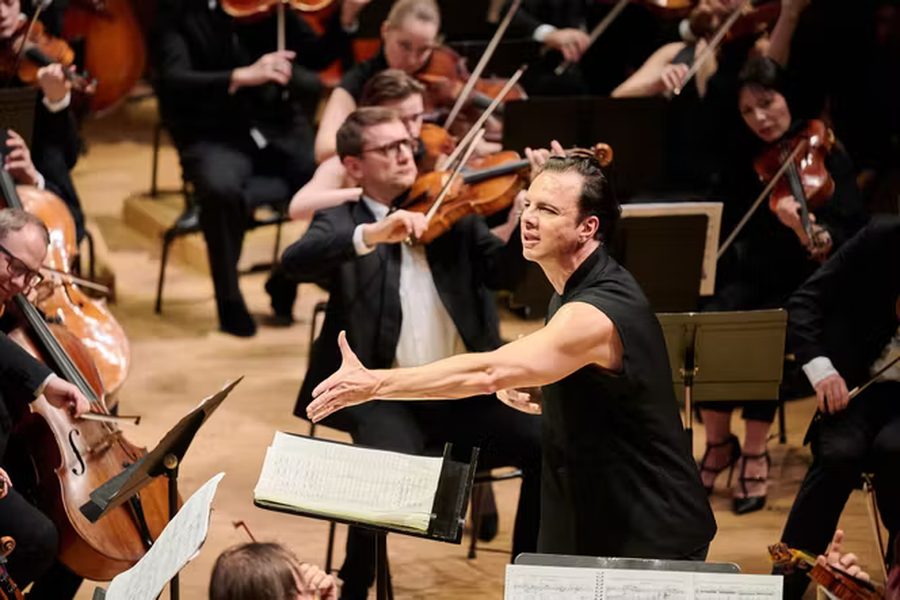
Putin has strengthened Gergiev's role as a key figure. He has entrusted him with the direction of the Mariinsky Theater and later the Bolshoi in Moscow. In 2025, he inaugurated a new concert hall in Sochi, aimed at promoting Russian and European music.
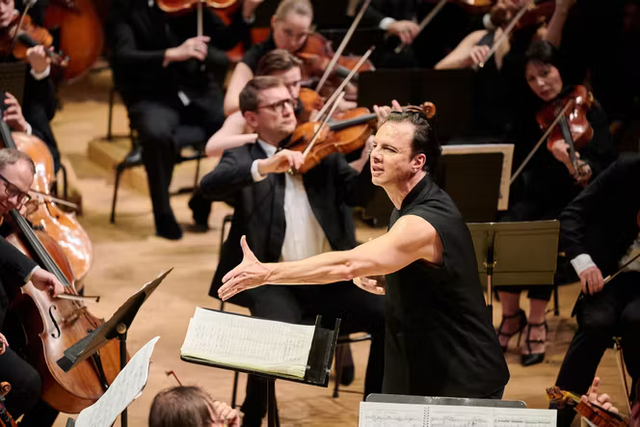
Another figure is Teodor Currentzis, a conductor of Greek origin who lives in Russia. He has taken Russian citizenship and avoids statements about the war in Ukraine. He leads the musicAeterna ensemble in Russia, financed by Gazprom and VTB, as well as the Utopia orchestra in Europe, presented as supported by private funds.
Currentzis continues to perform in Europe, taking advantage of the fact that he has not been officially banned. He states that he is only interested in music and reserves the right not to express political views.
However, there are doubts about the sources of funding and the connections between its ensembles. Critics consider it part of a grey area that allows Russian influence through culture.
French institutions, such as the Paris Opera and the Philharmonic, state that they do not invite artists who openly support the Russian regime and avoid ties with structures associated with it.
The debate remains open in Europe. Some argue that art should remain separate from politics, while others warn that collaborating with artists linked to the Kremlin contributes to the normalization of its policies. /Adapted from Le Monde /


Kulturen-artin,shkencen,sportin te Rusise,ne nivele superiore ne mbare Boten,i PERDHOSI Vladimir Putini. Nje nga popujt EXELENT te rruzullit i’u nenshtru nje diltatori te pa vlere. Nacionalizmi streha e fundit e HORRAVE,karaxhozeve, hajduteve dhe KRIMINELEVE.