


 Shkruar nga Pamfleti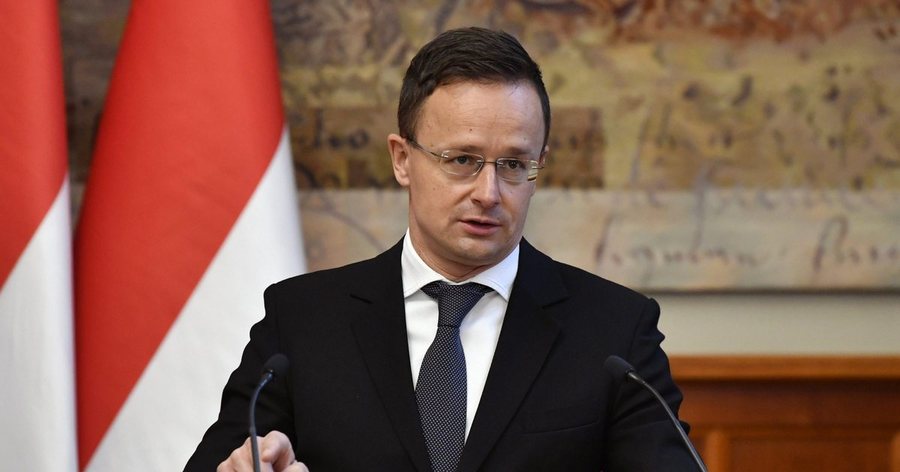
Hungary's foreign minister sharply criticized the European Union's sanctions against Russia, arguing that they have harmed the economies of its members more than their objective, as well as failing to stop the war in Ukraine, foreign media reported .
" If we make an assessment, an analysis, regarding the impact of the sanctions, it is clear that they have not met expectations. Because what was the expectation at the beginning of March, at the end of February, when we discussed the first package of sanctions? That they will bring Russia's economy to its knees, so the war will stop soon," Peter Szijjarto told CNBC's Geoff Cutmore at the World Economic Forum in Davos.
Sanctions imposed by the EU against Russia include travel bans and asset freezes on a host of high-profile individuals; import and export ban on a variety of goods; and an oil price cap in cooperation with the G-7 and other allies. The bloc has also aimed to dramatically cut its natural gas imports from Russia.
"Russia's economy is definitely not on its knees. We may have different estimates of how badly they are performing, but they are not on their knees and the fight is not over. And the European economy is suffering more from the sanctions than the Russian economy. So if you look practically, not ideologically, at what the impact of the sanctions was, you see that they are more damaging to Europe than Russia. So, we should not continue with the sanctions because they have simply not met the expectations and the objective we have set for them", said Szijjarto.
The Russian ruble was the worst-performing emerging market currency last year, despite holding up for a while after the invasion of Ukraine, and the International Monetary Fund has forecast its GDP will shrink by 3.4% in 2022 with inflation average at 13.8%, with a further economic contraction.



Lini një Përgjigje