


 Shkruar nga Pamfleti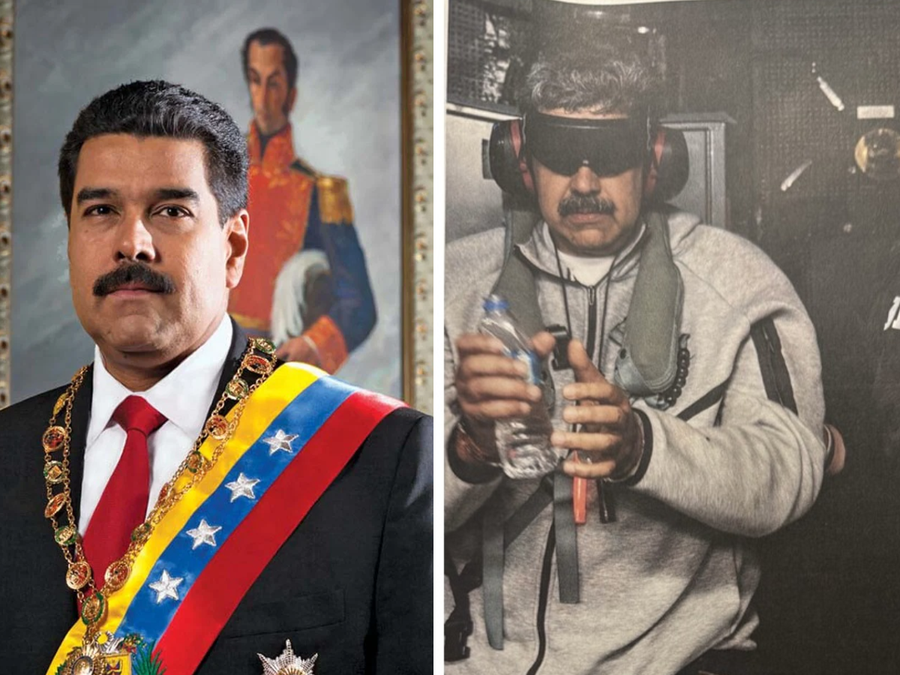
The capture of Venezuelan President Nicolás Maduro on the morning of January 3, 2026 was a complicated affair. Operationally, the operation was a tremendous success for the US military...
Operation Absolute Resolve achieved its objective of capturing Maduro through a combination of extensive planning, intelligence, and coherence. R. Evan Ellis, a military strategist and former Latin American policy advisor at the U.S. State Department, explained to The Conversation what is publicly known about the planning and execution of the operation.
How long has this operation been in preparation?
Operation Absolute Resolve was planned for several months, as the Pentagon acknowledged in its briefing on January 3. My guess is that since the beginning of the US military buildup in the Caribbean and the creation of Joint Task Force Southern Spear in the fall, military planners were looking at options to capture or eliminate Maduro and other key Chavista leadership if coercive efforts to persuade a change in the situation in Venezuela failed.
US military activities in the region were directly overseen by Southern Command, the part of the Department of Defense responsible for Central America, South America and much of the Caribbean. But the creation of a dedicated joint task force in October 2025 helped facilitate the coordination of a major operation like the one carried out to capture Maduro.

Why did the US choose to act now?
Preparations had been underway for months, and the arrival of the USS Gerald R. Ford in November was a significant milestone. It gave the US the ability to launch a high volume of strikes against land targets and added to the vast array of US military equipment stationed in the Caribbean.
She joined an amphibious readiness group off Iwo Jima, which included a helicopter carrier and two amphibious assault ships. Six other destroyers and two cruisers were stationed in the region with the capability to launch hundreds of missiles for both ground attack and air defense, as well as a mother ship for special operations.
Trump's authorization of CIA operations in Venezuela was a key factor. It is likely that individuals inside Venezuela played invaluable roles not only in obtaining intelligence but also in collaborating with key people in the military and Maduro's government to ensure that they did, or did not do, certain things at key moments during the January 3 operation.
Me gamën komplekse të planeve dhe përgatitjeve deri në dhjetor, ushtria amerikane ishte me shumë gjasa gati për t’i zbatuar, por duhej të priste për kushte të përshtatshme për të maksimizuar probabilitetin e suksesit.
Çfarë e përcakton momentin e përshtatshëm?
Mund të thuhet se janë të nevojshme tre gjëra për momentin e përshtatshëm: inteligjencë e mirë, vendosja e marrëveshjeve të besueshme të bashkëpunimit në terren dhe kushte të favorshme taktike.
Informacioni do të kishte qenë thelbësor. Trump pranoi autorizimin e tij për operacione të fshehta të CIA-s në Venezuelë në tetor dhe, me sa duket, deri në fund të vitit, analistët kishin mbledhur informacionin e nevojshëm për ta bërë këtë operacion të shkonte pa probleme. Inteligjenca do të duhej të përfshinte edhe njohjen e saktë të vendit ku do të ndodhej Maduro në kohën e operacionit dhe situatën përreth tij.
Gjatë muajve të fundit, sipas raportimeve të medias, komuniteti i inteligjencës kishte agjentë në terren në Venezuelë, të cilët me shumë gjasa kishin zhvilluar biseda me njerëz në ushtri, udhëheqjen Chaviste dhe më gjerë, të cilët kishin informacione të rëndësishme ose sjellja e të cilëve ishte e rëndësishme për pjesë të ndryshme të operacionit, të tilla si ndoshta mbyllja e një sistemi, rënia e një njësie ushtarake ose mungesa nga një post në një moment kyç. Një raport nga The New York Times tregon se SHBA-të kishin një burim njerëzor pranë Maduros i cili ishte në gjendje të jepte detaje nga jeta e tij e përditshme, deri në atë që hante.
Kushtet më taktike që nevojiteshin për momentin e përshtatshëm përfshinin gjëra të tilla si moti, nuk donim stuhi, erëra të forta apo re që do t'i vinin në rrezik avionët amerikanë, ndërsa fluturonin në disa rrugë shumë të rrezikshme në nivel të ulët përmes maleve që ndajnë Fort Tiun, kompleksin ushtarak në Karakas ku u kap Maduro.

Si u zhvillua operacioni?
Gjenerali Dan Caine, shefi i Shefave të Përbashkët të Shtabit, ka dhënë disa detaje rreth mënyrës se si u ekzekutua plani.
Ne e dimë që SHBA-të lëshuan avionë nga vende të shumta, operacioni përfshinte të paktën 20 vende të ndryshme lëshimi për 150 aeroplanë dhe helikopterë. Këto do të kishin përfshirë avionë për operacione bllokimi, disa mbikëqyrje, avionë luftarakë për të goditur objektiva dhe disa për të siguruar një eskortë për helikopterët duke sjellë një njësi të forcave speciale dhe anëtarë të FBI-së.
Si pjesë integrale e operacionit, SHBA-të kryen një sërë aktivitetesh kibernetike që mund të kenë luajtur një rol në minimin jo vetëm të sistemeve mbrojtëse të Venezuelës, por edhe të kuptimit të saj për atë që po ndodhte. Edhe pse natyra e aktiviteteve kibernetike të SHBA-së është vetëm spekulim këtu, një sistem komande dhe kontrolli venezuelian koherent dhe i alarmuar mund t'u kishte kushtuar jetën anëtarëve të forcave amerikane dhe t'i kishte dhënë Maduros kohë për t'u mbyllur në dhomën e tij të sigurt, duke krijuar një problem, megjithëse jo të pakapërcyeshëm, për forcat amerikane.
There was also, according to Trump, a US-generated outage in part of the electrical grid. In addition, it appears there may have been diversionary attacks in other parts of the country to give the Venezuelan military the false impression that US military activity was directed at some other, smaller ground target, as had recently happened.

The US aircraft then essentially disabled Venezuela's air defenses.
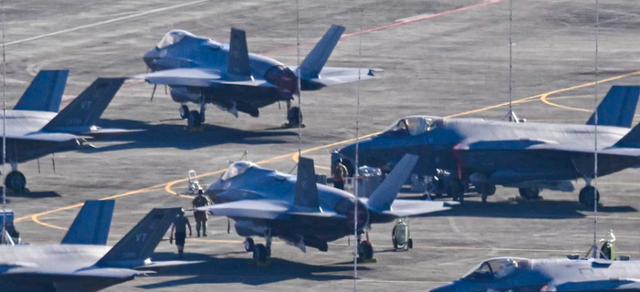
As US rotary wing and other assets joined the target in Caracas, with coverage from some of the most capable fighters in the US inventory, including F-35s and F-22s, as well as F-18s, other US assets destroyed air defenses and other threats in the area.
It would make sense if the elite members of the 160th Special Operations Aviation Regiment of the US were used to approach the compound in Caracas. Their skills would be needed if, as I assume, they were to come via the canyon road that separates Caracas from the coast. I have traveled the route through those mountains and it is dangerous, especially for a low-altitude aircraft. Once the team landed, it would only take a few minutes to infiltrate the compound where Maduro was.
Maduro's "bad luck"
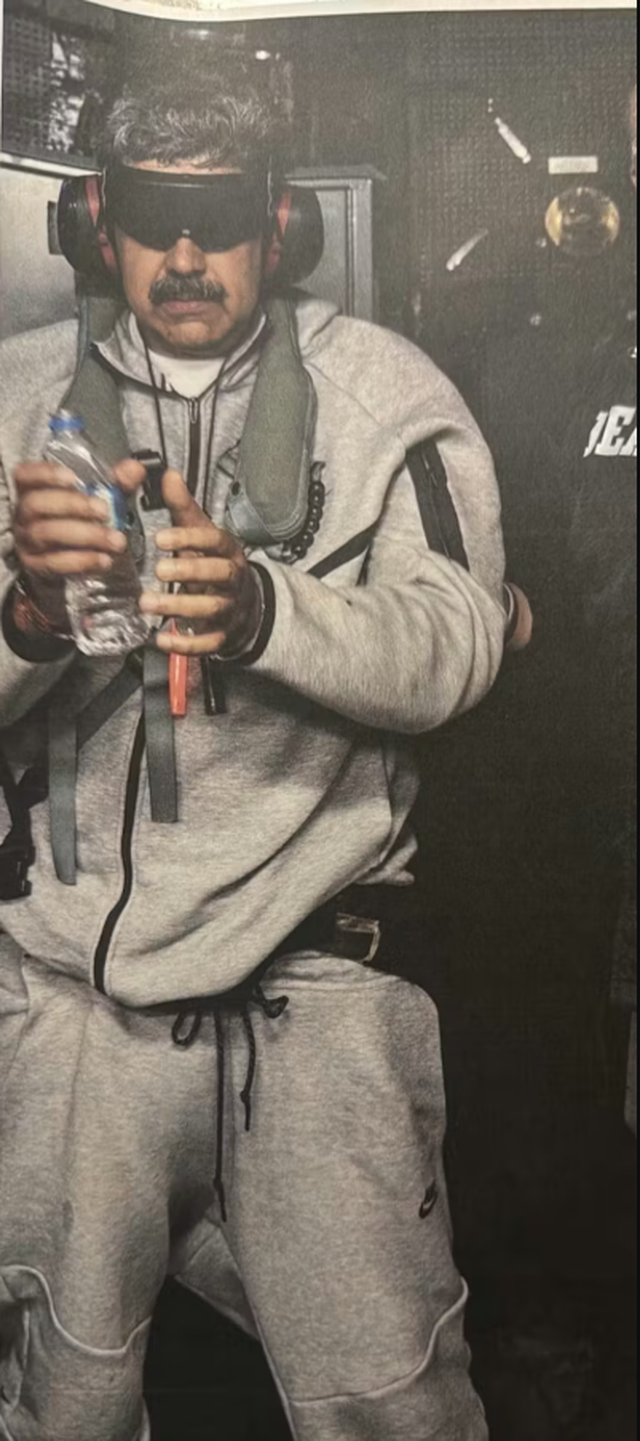
According to Trump, the American team captured Maduro just as he was trying to enter his steel safe room.
"He didn't make it into that space. He was trying to get into it, but he was attacked so quickly that he didn't make it," the US president said on "Fox & Friends Weekend."
Although the US was reportedly fully prepared for that eventuality, this delay could have cost time and possibly lives.
Therefore, it was essential to the American mission that forces were able to enter the facility and reach and secure Maduro and his wife in minimal time. /Adapted from The Conversation /


Lini një Përgjigje