


 Shkruar nga Pamfleti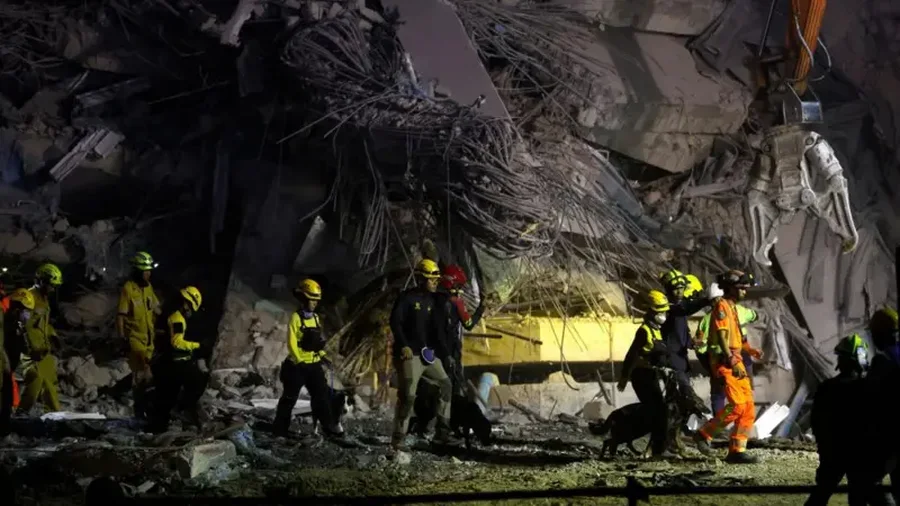
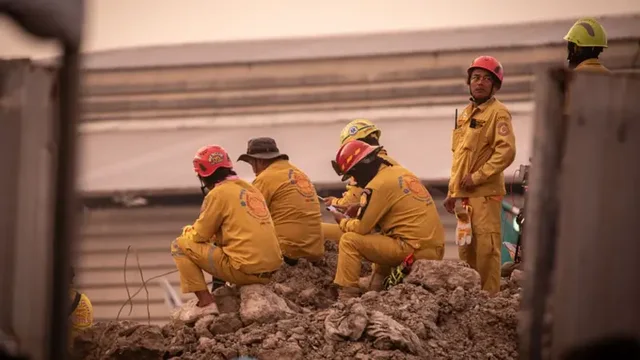
The rescue operation has been almost non-stop for more than 30 hours now and there are no signs of slowing down.
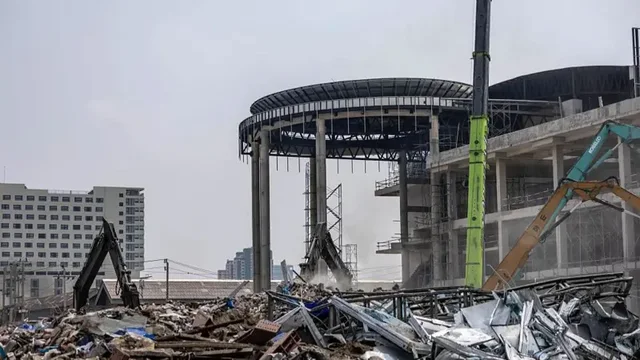
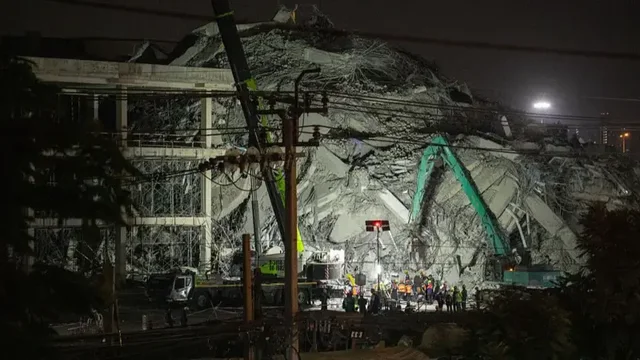
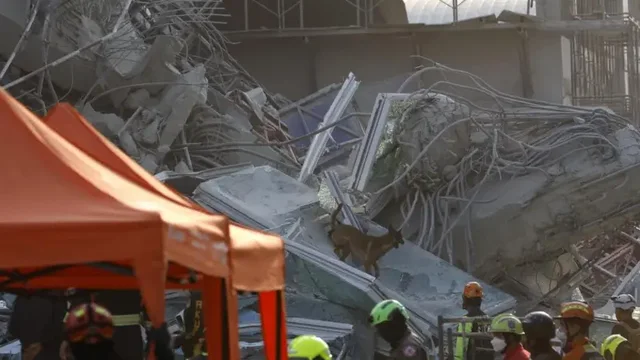
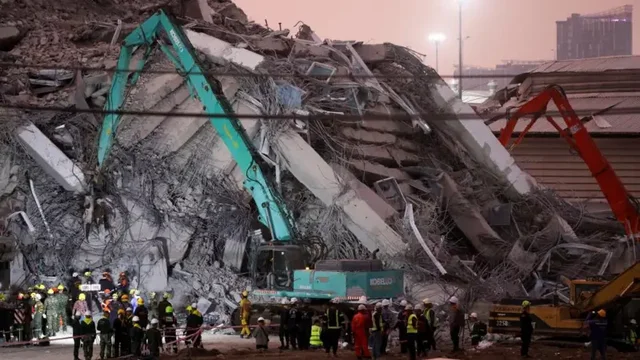
It's 11 p.m. in Bangkok, and emergency crews are still working to find survivors in the rubble caused by the apocalyptic earthquake that hit neighboring Myanmar the day before. Bright searchlights are highlighting how much dust is in the air as excavators continue to wade through the debris.

Friends and family members of those still trapped under the rubble watch from afar. Many have settled in for a long night. The rescue operation has been almost non-stop for more than 30 hours now and shows no signs of slowing down.

The latest figures from Bangkok report that 11 people have died, 32 have been injured and 83 are still missing.
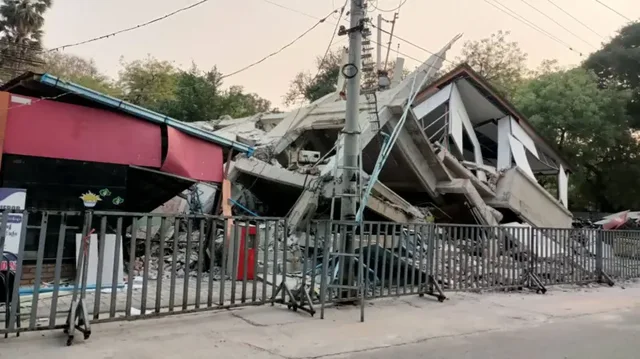
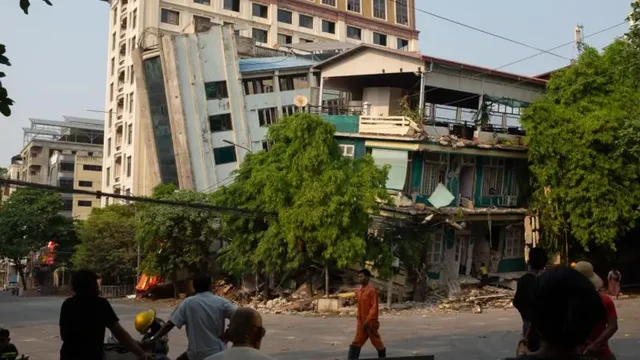
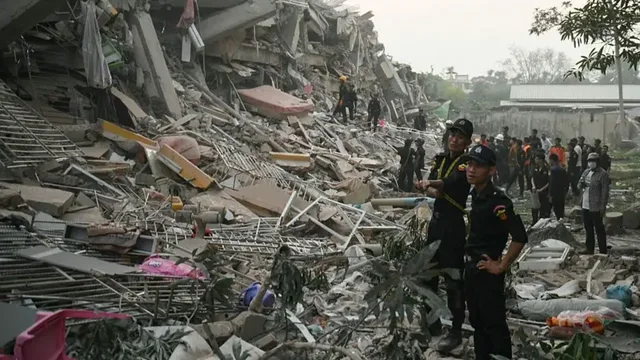
Meanwhile, in Myanmar, the situation looks more tragic with over 1,600 dead and over 2,000 injured, with the toll expected to rise significantly in the coming hours. Searches are slow and the lack of rescue equipment is making the job more difficult.

The United Nations is organizing humanitarian support for affected areas, with the emergency relief coordinator allocating an initial $5 million for life-saving assistance in Myanmar.
Coordination efforts are already underway "to conduct rapid needs assessments and scale up emergency response"

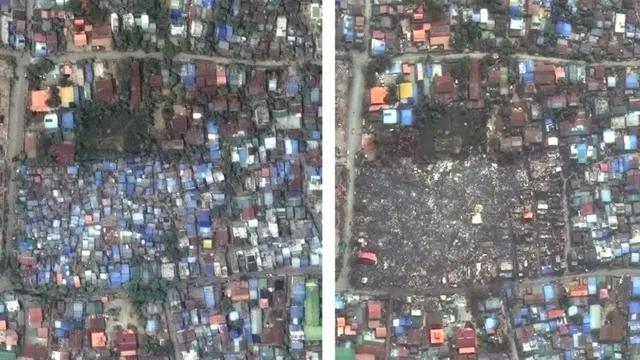
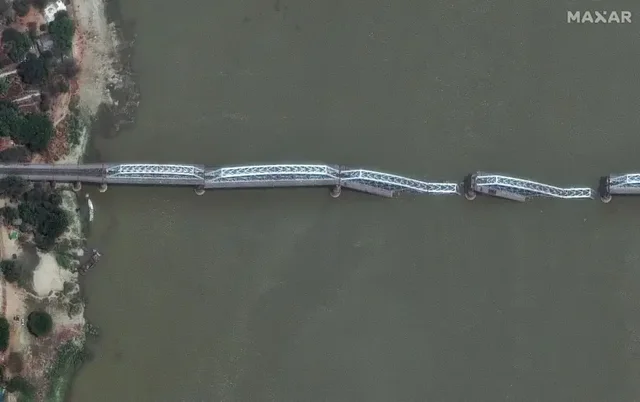
Satellite images released by Maxar Technologies have revealed some of the damage in Mandalay and Sagaing after yesterday's earthquake.
The footage, captured today, shows damage to shrines, temples and residential buildings, as well as the Sagaing Bridge, which collapsed into the Irrawaddy River yesterday.

In a horrific image, a collection of huts and buildings in a southern area of Mandalay have completely collapsed.

A structural engineering expert has told the BBC that less than 10% of buildings in Bangkok are earthquake-resistant.
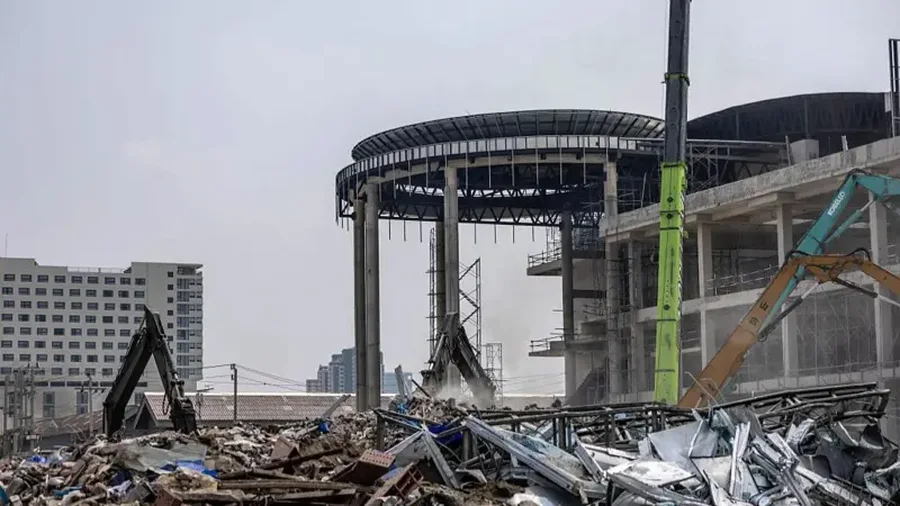
Amorn Pimarnmas, president of the Structural Engineers Association of Thailand, says a 2007 law requiring earthquake-resistant design only applies to new buildings. That means anything built before 2007 "is likely not designed for earthquakes."
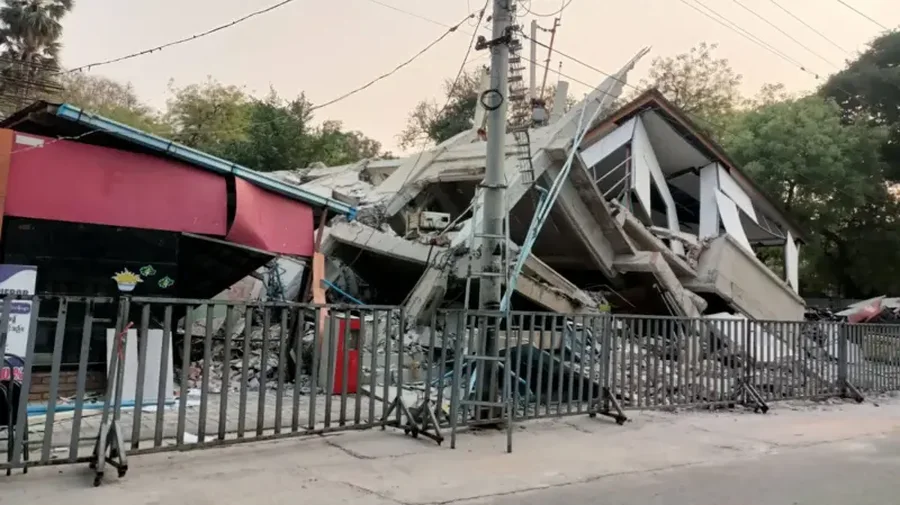
He says some buildings are designed to withstand the force of wind on a structure - and may have some ability to resist earthquakes, but it's not guaranteed they will stand.
He also warns that earthquakes in Bangkok could be three to four times stronger because the city is built on soft ground.








Lini një Përgjigje