


 Shkruar nga Pamfleti
"This war has nothing to do with the territory of Ukraine. This is a fight for the rules by which we will live."
As Ukraine struggles to contain the opening moves of an expected Russian offensive in the east of the country, there are voices in some diplomatic circles pointing to the need to start peace talks.
Next month, Switzerland is scheduled to host a high-level international summit to try to chart a path to peace in Ukraine. And the meeting will no doubt spark more earnest discussions about how to end the war — though Ukraine's main Western backers see little reason to open talks with Russian President Vladimir Putin, who shows little regard for the rule of law or international norms. .
Russia, at this stage, is not invited to the gathering organized by Switzerland.
Dismissing the event as a Western ploy staged to garner wider international support for Kiev, Russian Foreign Minister Sergey Lavrov has accused the West of campaigning to persuade as many developing countries as possible to participate. thereby embarrassing Moscow. China, meanwhile, has strongly warned that it will not attend unless Russia is represented.
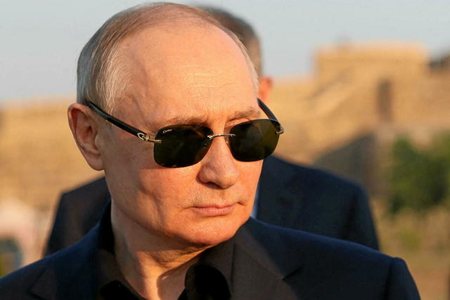
Unwilling to appear to stand in the way of a negotiated end to the war, however, the Kremlin occasionally likes to flirt with the idea that it is open to peace talks, suggesting that it is Ukraine and its Western backers who are shy . For example, earlier this year, Putin took aim at former British Prime Minister Boris Johnson, blaming him for destroying the chances of success of the peace negotiations held in the weeks after the invasion.
Two weeks ago, Kremlin spokesman Dmitry Peskov said those negotiations, which produced a draft peace proposal, could form the basis for new talks - although he added that such talks must reflect "new realities", with apparently referring to recent military gains by Russia's forces.
Putin also made a similar comment during a meeting with Belarusian President Alexander Lukashenko, with Russian media quoting him as saying that in case of any new talks, the 2022 proposal should be the starting point.
And in recent days, this 2022 proposal that officials were working on — until talks stalled after Russian atrocities in Bucha and Irpin came to light — has become the subject of much academic and media interest.
Despite removing Russian forces from Kiev, the 2022 draft was negotiated while Ukraine was still standing. Its military prospects still looked shaky, and doubts persisted that it could hold the line. Moreover, Ukraine remained uncertain whether its Western allies would continue to provide support and what the extent of that support would be.
The main provisions were that Ukraine would not join NATO and that it would commit to being a "permanent neutral state that does not participate in military blocs." It required Ukraine to drastically limit the size of its armed forces and would have left Crimea under de facto Russian control. However, Ukraine will still be allowed to pursue EU membership, while territorial issues – including the long-term future of Crimea and the status of occupied Donbas – will be left to Putin and Ukrainian President Volodymyr Zelenskyy to decide at subsequent meetings, which were never developed.
The deal would be guaranteed by foreign powers, listed as the US, UK, China, France and Russia. They would have the responsibility to protect Ukraine's neutrality if the treaty were to be violated.
For academics Samuel Charap and Sergey Radchenko, the fact that the warring parties could come up with such a draft "belies the notion that neither Ukraine nor Russia is willing to negotiate or consider compromises to end this war." . They think Putin's willingness to accept Ukraine's EU membership was "nothing short of remarkable", especially given that he had pressured former Ukrainian President Viktor Yanukovych to withdraw from an association agreement with the EU. in 2013.
Meanwhile, the Wall Street Journal took a much dimmer view, titling its analysis: "Putin's punitive peace terms." He argued that "Ukraine faced becoming a neutered state," which also echoes the sentiments of Ukrainian officials who recently spoke to POLITICO about the negotiations.
Those officials point out that the country was negotiating from a position of extreme weakness, while Western powers were agonizing over how much to support Ukraine and debating what to supply Kiev in terms of weapons systems, said Oleksii Reznikov, the former minister of defense of Ukraine.
"Remember, President Zelenskyy was at the Munich Security Conference just days before Russia invaded.
I was a member of the delegation with him in Munich and it was this atmosphere, an environment [of] "Guys, you have to quit". It wasn't said directly, but it was there," Reznikov told POLITICO.
Vështirë se frymëzonte besim teksa nisën negociatat me Rusinë. Por mbi të gjitha, Reznikov dhe zyrtarë të tjerë ukrainas të përfshirë në bisedime – Shefi i Zyrës së Presidentit të Ukrainës Andriy Yermak dhe këshilltari i tij Mykhailo Podolyak mes tyre – dyshuan gjithashtu në sinqeritetin e Kremlinit dhe nëse ai po negocionte në mirëbesim. Ky ishte një skepticizëm i mprehtë gjatë qindra orëve që ata kishin shpenzuar duke bërë pazare me zyrtarët rusë përpara pushtimit të vitit 2022. A ia vlenin koncesionet e ofruara nga Rusia sa letra ku ishin shkruar?
"Ata mund të nënshkruajnë dokumente, por nëse do t'i përmbahen marrëveshjeve është një çështje tjetër. Mos harroni Memorandumin e Budapestit”, tha Reznikov, duke iu referuar marrëveshjes së vitit 1994 që Rusia kishte nënshkruar, duke rregulluar kufijtë e Ukrainës dhe duke njohur sovranitetin e saj në këmbim të heqjes dorë nga arsenali i saj bërthamor.
Anekdota e Kuçmës ishte në mendjen e Reznikov gjatë negociatave të vitit 2022. Dhe, sipas negociatorëve ukrainas, ishte në frymën e Mitterrand-it që MB dhe SHBA paralajmëruan Ukrainën.
“Negociatat? Ata nuk duan negociata reale”, tha Yermak për POLITICO. Rusët duan kapitullimin e Ukrainës.
“Ne do të ishim përsëri në tryezën e negociatave në një moment, nëse agresori do të ishte gati, vërtet i gatshëm, për të rënë dakord për një paqe të drejtë – por jo për versionin e tyre të paqes”, tha ai. Ashtu si Reznikov, Yermak është i shqetësuar se Ukraina do t'u përmbahej lëshimeve që bëri, ndërsa Rusia do të largohej prej tyre dhe do të refuzonte të zbatonte atë që është rënë dakord.
Zyrtarët ukrainas thonë se për udhëheqësin rus, negociatat janë vetëm një armë tjetër lufte. Dikur shpërqendrohej, ngecte, lejonte kohë për të manovruar dhe për të futur në grackë ata që kishin qëllime të mira dhe naiv - diçka që u theksua midis 2014 dhe 2017, kur Lavrov dhe më pas Sekretari i Shtetit i SHBA-së John Kerry "negociuan" mbi Sirinë. Bisedimet ndihmuan Moskën të shpëtonte Bashar al-Assad-in e Sirisë nga disfata, duke bindur presidentin e atëhershëm të SHBA-së, Barack Obama, të hiqte gishtin nga këmbëza dhe të injoronte vijën e tij të kuqe për përdorimin e armëve kimike nga Damasku.
Për Podolyak, mësimi që nxjerr nga negociatat e 2022 është se "Rusia është e interesuar për një luftë të gjatë dhe që vendet perëndimore të lodhen dhe të thonë: "Kjo është, le të kërkojmë një lloj zgjidhje kompromisi".
But now, he said, there is no compromise solution to this war. "We have reached a point where you can no longer decide to sit down and negotiate. Why? Because this war has nothing to do with the territory of Ukraine. This is a fight for the rules by which you and we will live, and Russia. If Russia does not lose, then the rules will be slightly different. Autocracy, violence - these will be the dominant forms of foreign policy. If Russia loses, then we have the opportunity to rebuild the global system of political and security relations. /Adapted 'Pamphlet' from 'Politico'.


Lini një Përgjigje