


 Shkruar nga Pamfleti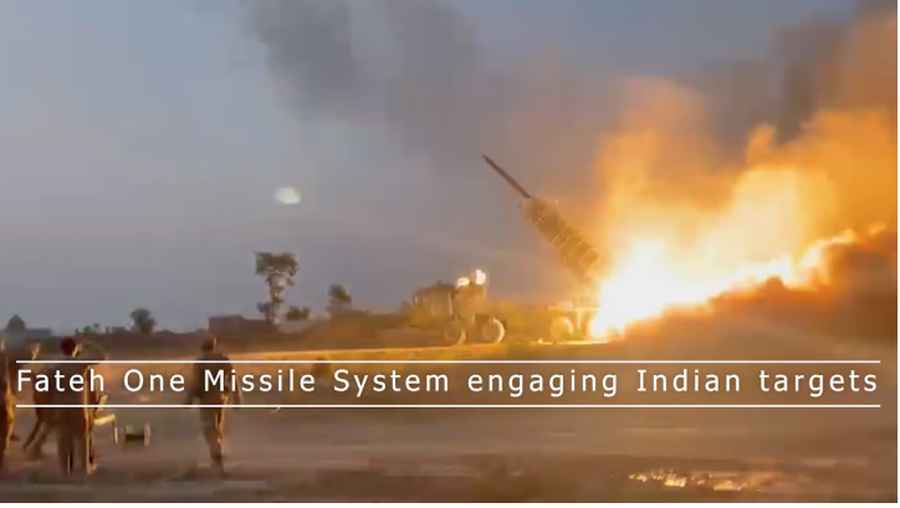
India and Pakistan exchanged some of the heaviest air strikes since the start of their armed confrontation on Wednesday on Saturday morning, prompting further calls for a reduction in tensions between the two nuclear-armed states.
Pakistan said it launched a counterattack after Indian fighter jets hit three of its air bases with missiles, including Noor Air Base in Rawalpindi, which houses the army headquarters and is located near the capital Islamabad, Bloomberg reported.
The Pakistani military said it retaliated by striking Indian air bases and other military sites in Punjab state and the Indian-controlled part of the Kashmir region.
The Indian army in a post on Twitter accused Pakistan of "open escalation with drone attacks and other munitions" along the country's western borders, saying the army would "thwart the enemy's plans."
India has accused Pakistan of harboring terrorist groups that carried out a deadly attack on tourists last month in Indian-controlled Kashmir. Pakistan has denied involvement.
The two countries have fought a series of wars since gaining independence from Britain in 1947, mainly over the Kashmir region, which both sides claim.
Since the terrorist attack last month, the New York Times writes, the crisis has turned into the widest confrontation between the two countries in half a century, with fierce fighting along parts of their border and drone strikes and other attacks hitting deeper inside each country.
The escalating confrontation has raised fears of an all-out war between the two nuclear-armed nations. India is estimated to have 180 nuclear warheads and Pakistan 170. India's nuclear doctrine states that it "has a 'no first use' nuclear weapons stance", although in recent years it has cast doubt on this doctrine. Pakistan has not declared a no-first use policy.
This scenario has caused alarm across the globe and diplomatic efforts are being made to defuse the crisis. Saudi Arabia, the United Arab Emirates, Qatar and other countries with strong ties to both India and Pakistan are said to be trying to stop the conflict.
The EU said in a statement on Thursday that it would “work with all parties to de-escalate the situation.” G7 foreign ministers made a similar call on Saturday, when they called for “maximum restraint” from both sides.
Also on Saturday, US Secretary of State Marco Rubio called Indian Foreign Minister Subrahmanyam Jaishankar and Pakistani Foreign Minister Ishaq Dar and "offered US assistance in initiating constructive talks aimed at avoiding future conflict," the State Department said.
Officials from both sides showed a willingness for the moment to take a step back after the day's exchanges of statements, Reuters reported.
After the call with Rubio, India's Jaishankar told X that "India's approach has always been measured and responsible and remains so." Pakistan's foreign minister told local television that if India stops here, then "we will consider stopping here."




Lini një Përgjigje