


 Shkruar nga Pamfleti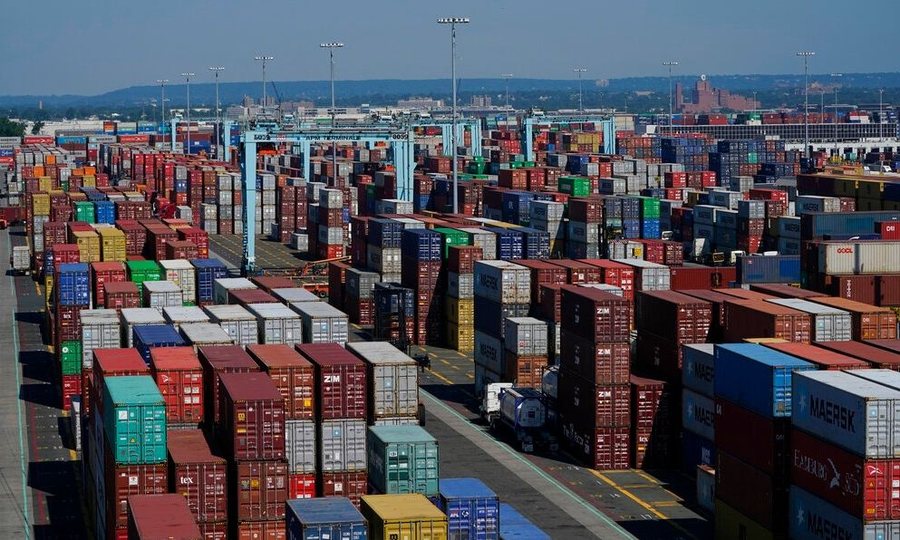
South Asian countries take emergency measures to cope with the fallout, as global markets face a new blow
According to the American media outlet Axios, the conflict in Iran is producing a major new global economic shock, forcing countries in Asia and beyond to take emergency measures to cope with the consequences.
In South Asia, governments are imposing restrictions on energy consumption, closing universities, reducing work weeks, and even changing the way crematoriums operate. These measures are intended to mitigate the effects of the energy crisis caused by the war in Iran.
In the United States, the conflict has sent fuel prices soaring and created political pressure for President Donald Trump. However, according to Axios, the consequences are even more profound on a global level, where governments and businesses are trying to manage an increasingly complex situation.
This crisis constitutes the latest blow in a turbulent decade, following the pandemic, the Russian invasion of Ukraine and rising inflation, as well as the Trump administration's recent trade tariffs, which have shaken international markets.
According to the laws of supply and demand, the situation is clear: about 20% of global oil and energy products pass through the Strait of Hormuz, and Iran has essentially cut off the flow. This sudden reduction in supply, without a change in demand, is leading to rising prices and shortages in the market.
To cope with the crisis, governments are tapping oil reserves, restricting exports and imposing price controls. Some countries are reducing working hours or temporarily closing businesses to save energy. Meanwhile, the impact is not limited to oil, but also includes other vital products such as diesel, jet fuel and liquefied gas for heating and cooking.
According to analysts at JPMorgan, the oil supply shortage could reach as much as 12 million barrels per day, making the deficit visible in physical markets. They emphasize that the only way to balance this situation is to reduce consumption.
In this context, Bangladesh has closed public and private universities, South Korea has set a maximum limit on gas prices for the first time in nearly three decades, and Thailand is encouraging working from home.
In the Philippines, some local authorities have imposed four-day workweeks for public employees. Pakistan has closed schools, reduced working days in some institutions and increased gas prices, according to the Financial Times.
Meanwhile, India is facing severe shortages. The Financial Times reports on hoarding, theft and price gouging as citizens try to secure increasingly scarce gas cylinders.
In Mumbai, hotels are temporarily closing. A representative of a restaurant chain told The Indian Express that the situation resembles a second lockdown like during the COVID-19 pandemic. In the city of Pune, authorities have temporarily suspended gas cremations and have urged the use of wood or electricity.
Europe also faces the risk of rising gas prices, which would directly impact electricity costs. The European Union is considering imposing a price cap and other safeguards.
In Japan, authorities have launched one of the largest interventions in national oil reserves, aiming to stabilize prices.
In the long term, analysts estimate that China could benefit from this crisis, thanks to its large oil reserves and ability to use coal as an energy alternative.
Meanwhile, high oil prices could accelerate the development of renewable energies.
The President of the Philippines, Ferdinand Marcos Jr., summed up the situation by declaring: “We are victims of a war we did not choose.” /Adapted from Pamphlet /




Lini një Përgjigje