


 Shkruar nga Pamfleti
Von der Leyen warns of impact on energy and security, highlights high dependence on fossil fuels
European Commission President Ursula von der Leyen has warned of the direct impact of the crisis in the Middle East on the European economy, stressing that the European Union has paid a high price in the energy sector in just a few weeks.
During a discussion in the College of Commissioners on the consequences of the crisis, she described a fragile situation in the region, where the announced ceasefire is accompanied by difficult and uncertain negotiations. She thanked Pakistan for its role in mediation, but stressed that it remains unclear how events will develop further.
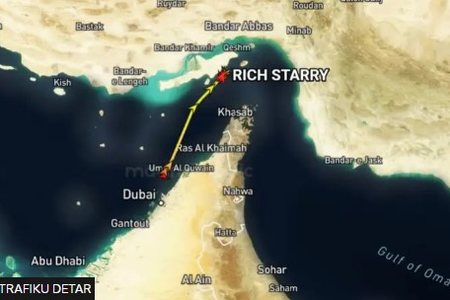
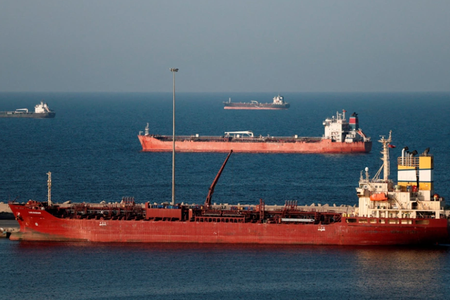
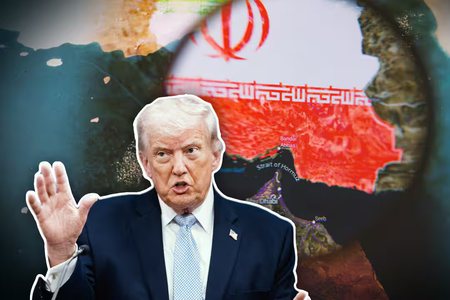
The EU's concerns remain centered on Iran's role and the safety of navigation in the Strait of Hormuz. Von der Leyen stressed that any agreement must address Iran's nuclear and ballistic missile programs, as well as actions that impede maritime traffic. She described the ongoing blockade of the strait as "extremely damaging" and stressed that restoring freedom of navigation is of fundamental importance to the EU.
Referring to the situation in Lebanon, she warned that the continued attacks risked destabilizing the entire process in the region. The EU, she said, is mobilizing aid for the Lebanese population, but stressed that aid cannot replace the security of a lasting peace.
In economic terms, the Commission President gave a concrete figure for the impact of the crisis: "Since the beginning of the conflict, 44 days ago, our bill for fossil fuel imports has increased by over 22 billion euros - 44 days, 22 billion, without a single additional unit of energy."
She stressed that this shows the great impact that the crisis is having on the European economy and warned that even in the event of an immediate cessation of fighting, disruptions in supplies from the Gulf will continue for a period.
Von der Leyen linked the current situation to the energy crisis of 2022, calling it the second major fossil fuel crisis in a few years. According to her, developments in the Middle East are no longer a distant problem, but have immediate consequences for Europe.
She concluded that high dependence on fossil fuels is costing the continent dearly and warned that energy from these sources will remain the most expensive option in the coming years, underlining the need for a faster energy transformation in the EU.



Lini një Përgjigje