


 Shkruar nga Alberto Bellotto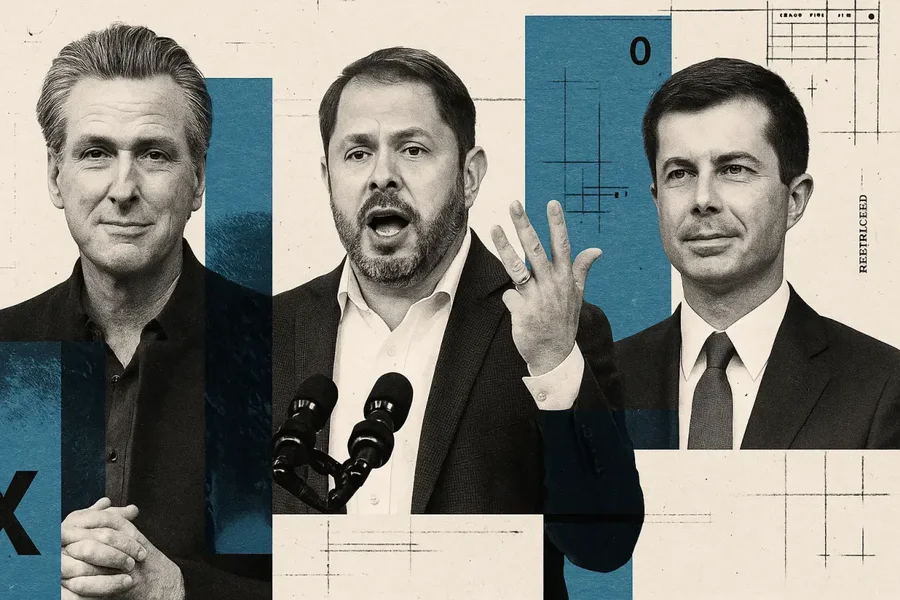
A front is growing within American Democrats, aiming to bring the party back to the center. They are challenging liberal orthodoxy, trying to win back moderates and independents…
For several months now, something has been happening on the American left. The Democratic Party, battered by the 2024 elections, where it suffered a triple defeat: the White House, the House of Representatives, and the Senate, in a single blow, is struggling to find a new identity and finds itself in a seemingly endless crisis.
Some, from the more radical wing of the party, have said that Kamala Harris was not left-wing enough; others simply think that the problem was the Democratic candidate’s lack of charisma. However, a growing faction of Democratic politicians is beginning to raise doubts about the party’s liberal tendencies and wants to bring it back to the center, or rather, prevent it from excluding itself by appealing to only a small segment of the country. This faction is also present within the electorate, with those who call the party “too smart” or those who would like to see it more centered, as evidenced by a Gallup poll, which found that 45% of Democratic respondents wanted a more moderate party.
One step in bringing the party back to the center involves engaging with the world of podcasters. The election of Donald Trump confirmed that running a campaign without engaging with a media outlet is so important, especially for younger generations. The world of conservative podcasters, from Joe Rogan and others, has proven to have a compelling base of voters and users.
Gavin Newsom, the governor of California, who is eyeing the Democratic presidential nomination in 2028, left the Golden State a few weeks ago for Tennessee, where he was a guest on Shawn Ryan’s podcast, a conservative former Navy SEAL. Newsom’s nearly two-hour talk was watched by more than a million viewers. But the governor has long been involved with the podcast, a personal project that has caused a lot of trouble for liberal purists. Several conservative and pro-Trump figures have appeared before his microphone, including former House Speaker Newt Gingrich, former communications director in the first Trump administration, Anthony Scaramucci, and, most famously, the mogul’s former strategist, Steve Bannon.
Josh Shapiro, the governor of Pennsylvania, who until the last minute seemed destined to be Harris’s vice presidential running mate, appeared on a podcast hosted by Ted Nugent, a pro-Trump activist and musician, during which they discussed decriminalizing hunting in the Keystone State. The list goes on. Former Chicago mayor Rahm Emanuel also appeared on a program produced by a former Fox News host.
“You’re a Democrat, but you know what, Governor Josh, you’re my blood brother, I thank you for that.” Ultra-Trumpian rocker Ted Nugent thanks Shapiro for supporting a bill that would allow hunting on Sundays.
Hope for the revival of moderates and independents
More and more left-wing politicians, almost all of them men, are eyeing a new way to engage with voters, not just on a technical level, that is, by appearing on podcasts instead of TV shows or newspapers, but also on a more narrowly political level. Many of them aim to reject a certain liberal orthodoxy and engage with independent voters and (male) citizens who voted for Trump because they felt rejected by a party that excluded them. The idea is to break out of the liberal bubble by exploring other media. This aspect was also evident during the election campaign. More than a few criticized Harris for avoiding an appearance when invited to Joe Rogan’s show, so as not to upset the more left-wing fringes of her staff.
This moderate faction is part of the group that challenged some of Kamala Harris’ campaign decisions. According to them, the Democratic Party’s loss in 2024 stems from her decision to avoid addressing certain issues, refusing to listen to the concerns of the majority of voters. This self-criticism would have forced Harris to question some orthodox positions on immigration, transgender athletes, or the management of the isolation from the pandemic. All of these positions allowed Trump and the Republicans to portray her and the party as a candidate disconnected from reality. Trump’s ad, “Kamala is for them, Trump is for you,” is famous in this regard.
The strategy of breaking away from the party
With the party’s brand at an all-time low, many congressmen, aspiring senators, and even those toying with the idea of running for president have decided to focus their strategy on appearing independent of liberal norms. That’s the case with two potential 2028 candidates. Arizona Senator Ruben Gallego co-signed a law hated by progressives in January that allows federal agents to detain immigrants accused of theft or shoplifting.
Wes Moore, guvernatori demokrat i Merilendit dhe guvernatori i vetëm afrikano-amerikan i vendit, ka krijuar pakënaqkrijuar pakënaqësi te shumë aktivistë të të drejtave civile duke vënë veton ndaj një ligji shtetëror që do të kishte siguruar dëmshpërblime për skllavërinë, një lloj mase që skajet më radikale të së majtës e kanë shtyrë për vite me radhë, duke shkaktuar pakënaqësi midis votuesve.
Pete Buttigieg, ish-Sekretar i Transportit dhe ndër kandidatët kryesorë për nominimin demokrat të vitit 2028, ndërsa kritikoi vendimin e administratës Trump për të shpërbërë Departamentin e Arsimit dhe ristrukturimin e agjencive të tjera, kritikoi barrikadat e disa kolegëve, duke argumentuar se partia shumë shpesh i përmbahet status quo-së.
Liberalët në gatishmëri
Sigurisht, është e parakohshme të mendosh për vitin 2028, por shumë janë të bindur se vlerësimet e miratimit nën zero të Trump nuk do të jenë të mjaftueshme për të siguruar një fillim paqësor të zgjedhjeve të mesit të mandatit të vitit 2026. Prandaj, trajektorja e partisë duhet të korrigjohet. Këto deklarata kanë alarmuar tashmë më radikalët midis nesh. Progresistët besojnë se kjo konvergjencë drejt qendrës, si dhe depërtimi në territorin konservator, janë të gabuara dhe se mbështetja e pikëpamjeve fanatike në vend që t'i luftojmë ato mund të ketë pasoja negative zgjedhore, pasi ata besojnë se kjo do t'i bënte demokratët të dukeshin si një lloj republikani të holluar.
Siç vuri në dukje Washington Post, konvergjenca e moderuar, nëse lihet e pakontrolluar, rrezikon të prodhojë efekte groteske, pasi votuesit mund t'i perceptojnë ata thjesht si oportunistë. Por kjo nuk është gjithmonë rasti. Buttigieg, për shembull, gjatë mandatit të tij si Sekretar i Transportit, u bë i njohur për të qenë një i ftuar pothuajse i rregullt në Fox News dhe, në kohë polemikash të papritura, u angazhua vazhdimisht në dialog me komentatorët konservatorë. E njëjta gjë vlen edhe për Gallegon. Senatori i lindur në Kolumbi fitoi Arizonën me një diferencë të rehatshme ndaj rivales së tij Kari Lake, pavarësisht se Trump fitoi shtetin me disa pikë përqindjeje. Shumë latino-amerikanë, të cilët votojnë gjithnjë e më shumë djathtas, e kanë vlerësuar gjithmonë Gallegon për të qenë një prej tyre, për faktin se na ka kërkuar në punë dhe për paraqitjet e tij të famshme në rodeo, ngjarje që nuk janë pikërisht të krahut të majtë.
Kjo zhvendosje drejt qendrës po shkakton pakënaqësi të konsiderueshme, pjesërisht sepse shumë progresivë po e krahasojnë atë me atë që po ndodh në kampin kundërshtar. Fraksioni kundër shihet me armiqësi dhe dyshim, pjesërisht sepse liberalët pyesin veten pse pjesë të partisë i hedhin poshtë qëndrimet më progresive, ndërsa republikanët nuk bëjnë të njëjtën gjë, pavarësisht presionit nga baza MAGA e partisë. Në të vërtetë, segmente të konsiderueshme të elitës republikane përqafojnë qëndrime kontraverse me një farë entuziazmi.
Only time will tell whether the strategy will succeed. John Brabender is a longtime conservative election strategist and was also one of Trump's aides. Speaking to the Post, he said that it seems that a segment of the party has learned its lesson: "they realize that a significant part of the party is not as progressive as previously thought," but above all, there are segments of the center in the country that voted for Trump, like in Pennsylvania or the Midwest, who need to be re-engaged and returned to the Democratic ranks.
Shifting to the center and sending reassuring messages about moderate America could alarm the more radical fringes of the party and voters, risking winning neither the moderate nor the left-wing vote.
"When you try to own everything, you own nothing," said the strategist. / Adapted from Il Giornale/








Lini një Përgjigje