


 Shkruar nga Pamfleti
Economic stagnation and sharp rise in the cost of living fuel dissatisfaction with the government, while challenger Peter Magyar gains ground
Hungary's economy has been stagnant for years, and the sharp rise in the cost of living is fueling discontent with the government. Viktor Orbán's once-successful model has lost momentum, and his challenger, Peter Magyar, is taking advantage of this.
BYD's factory in Szeged, in southern Hungary, is a flagship project of Viktor Orbán's government. It aims to produce 300,000 vehicles a year, making it the largest factory in the country. It is the Chinese electric car giant's first investment in Europe and a direct challenge to American competitor Tesla, which last year produced around 150,000 cars at its Gigafactory near Berlin. The Hungarian government has strongly supported the project, investing up to 300 million francs in the attraction and construction of infrastructure. The factory is expected to create around 10,000 jobs, writes Swiss media NZZ.
However, the production that was supposed to start has already been postponed several times. Investigative portal “Atlatszo” published footage from inside the facility, showing almost finished neon yellow vehicles being disassembled and then reassembled. It is suspected that they were brought from China, while the production lines in Szeged are not yet ready.
Critics speculate that this may be related to compliance with the deadlines for obtaining subsidies, although BYD claims that everything is going according to plan. According to experts, mass production is expected to start only in the second half of the year and on a limited scale.
The Szeged factory reflects Hungary’s overall economic situation in recent years. Orbán has repeatedly promised an acceleration of economic growth. At the beginning of 2025, he called it “the year of the turnaround,” predicting a long period of growth of 3 to 6 percent. In reality, the economy has remained stagnant. With growth of just 0.4 percent, Hungary has been among the bottom countries in Central and Eastern Europe for the third year in a row.
According to the Vienna Institute for International Economic Studies (WIIW), the economy may return to more sustainable growth this year, but by 2028 it is expected to remain well below 3 percent. Economist Sandor Richter points out that the government's credibility has been damaged by repeated promises of an economic boom that have not materialized.
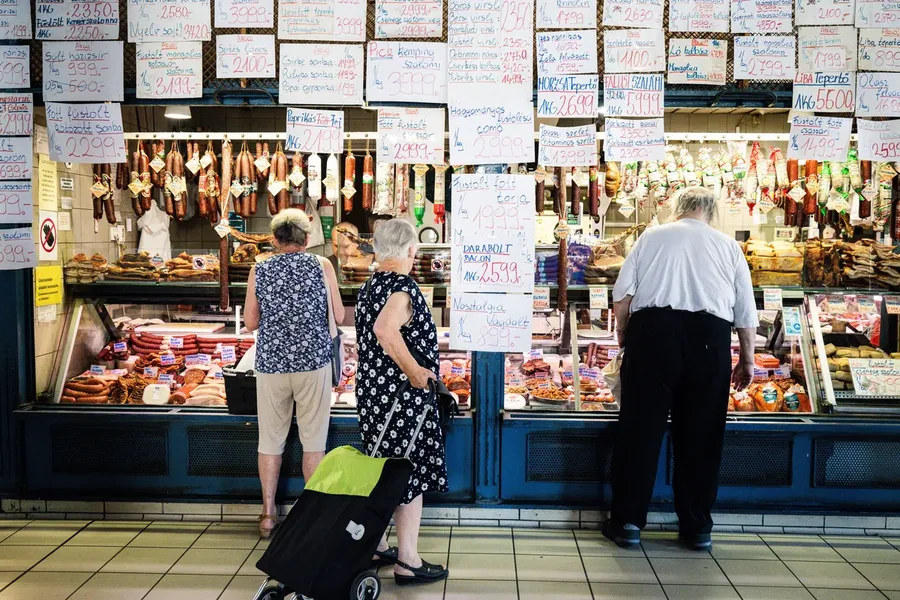
Në prag të zgjedhjeve në mes të prillit, kjo situatë përbën një sfidë serioze për Orbánin. Në të kaluarën, shumica e popullsisë toleronte pasurimin e dukshëm të rrethit të tij të afërt, për sa kohë që mirëqenia e përgjithshme rritej. Kjo nuk ndodh më. Inflacioni i lartë mbetet një problem kyç: çmimet e ushqimeve janë rritur me rreth 80 për qind që nga viti 2019.
Edhe pse inflacioni u rrit në të gjithë rajonin pas luftës në Ukrainë, në Hungari ai ishte më i larti. Shkak janë edhe politikat e brendshme: para zgjedhjeve të vitit 2022, qeveria ndërmori masa fiskale ekspansive, si përjashtimi nga taksat për të rinjtë nën 25 vjeç, përfitime për familjet dhe pensioni i 13-të. Këto rritën kërkesën në një kohë kur oferta ishte e kufizuar, duke nxitur rritjen e çmimeve. Përpjekjet për kontrollin e çmimeve rezultuan joefektive.
Hungaria ka humbur terren krahasuar me vendet e tjera të rajonit dhe është tejkaluar nga Rumania dhe Kroacia. Besimi i konsumatorëve është i ulët dhe shumica e qytetarëve mendojnë se vendi po shkon në drejtim të gabuar.
Kjo është arsyeja kryesore pse Orban përballet me një sfidues serioz si Peter Magyar, i cili u shfaq papritur dy vjet më parë. Ai e përshkruan Hungarinë si vendin më të korruptuar dhe më të varfër në Bashkimin Evropian.
Modeli “Orbanomics” funksionoi mirë për vite me radhë, sidomos pas vitit 2014, duke siguruar rritje të qëndrueshme dhe fitore elektorale për Orbanin. Politikat u fokusuan në industrializim dhe tërheqje të investimeve të huaja, veçanërisht në sektorin e automobilave, ku kompani gjermane si Audi, Mercedes dhe BMW ndërtuan fabrika të mëdha.
Së fundmi, Hungaria është orientuar drejt Kinës dhe industrisë së automjeteve elektrike. Në dhjetë vitet e fundit, kompanitë kineze kanë investuar mbi 16 miliardë franga në 54 projekte të mëdha. Megjithatë, këto investime shoqërohen me probleme, përfshirë akuzat për kushte të rënda pune dhe shkelje të standardeve.
Po ashtu, një fabrikë baterish e Samsung pranë Budapestit është përballur me kritika për ndotje të lartë, ndërsa autoritetet nuk ndërhynë për shkak të rëndësisë ekonomike të projektit.
Ekspertët paralajmërojnë se strategjia industriale e Orbanit është një bast i rrezikshëm mbi sektorin e automobilave dhe e bën vendin të ndjeshëm ndaj krizave gjeopolitike dhe konflikteve tregtare. Kritikohet gjithashtu fakti që Hungaria mbetet një “linjë prodhimi” për kompanitë e huaja, me pak vlerë të shtuar vendase.
Sipas Sandor Richter, vendi duhet të investojë më shumë në kërkim shkencor dhe sipërmarrje, ndërsa rritja e mëparshme erdhi kryesisht nga zgjerimi i forcës së punës dhe jo nga rritja e produktivitetit.
Një faktor tjetër është mungesa e sigurisë juridike dhe korrupsioni, që kanë ulur investimet private. Bashkimi Evropian ka bllokuar rreth 18 miliardë euro fonde për Hungarinë për shkak të shqetësimeve për shtetin e së drejtës.
However, in the run-up to the elections, the government has increased public spending, including the 14th pension and new tax breaks. In the first two months of the year, 40 percent of the planned annual deficit has already been consumed. Regardless of who wins the elections, the next government will face unpopular austerity measures. /Adapted Pamphlet /





Lini një Përgjigje