


 Shkruar nga Pamfleti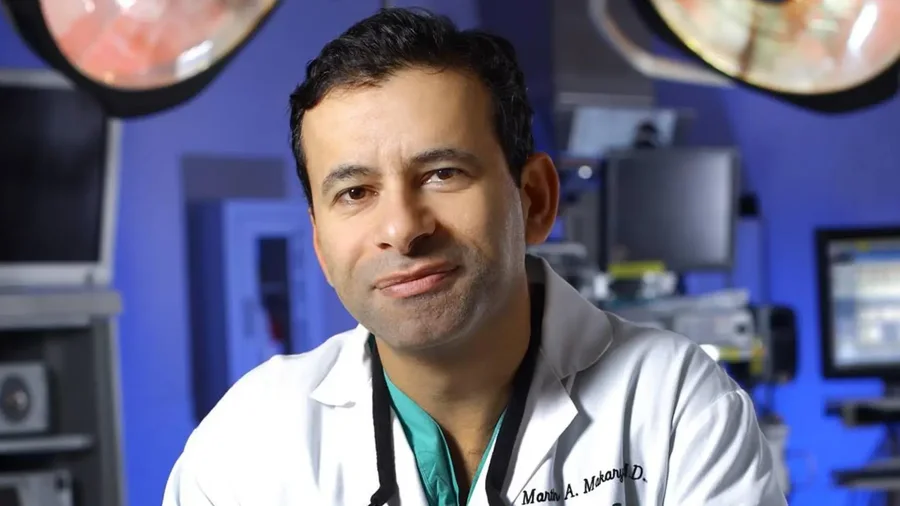
It was a promise, or rather a pact: advice and practices born from scientific evidence will improve our health.
Misguided guidelines, untouchable dogmas, and economic interests: Marti Makari's new book is shaking up modern medicine and has reopened the debate on systematic medical errors, betrayed trust, and public health.
It was a promise, or rather a pact: advice and practices born from scientific evidence will improve our health.
Modern medicine rests on this pillar, a bond of trust between science and the public, based on research and guidelines that are the fruit of years of study, testing, and review.
But sometimes, behind labels of absolute safety, there are hasty decisions, fragile evidence, and economic interests. " What if, in its attempt to protect us, medicine has sometimes taken the wrong path? "
It's a troubling question because it goes to the heart of our pact, and to dismiss it as the ravings of the usual anti-science conspiracist would be inappropriate. Because the person raising this question is one of the most important scientists in the world.
The book that is making medicine tremble
Marty Makari, a former surgical oncologist at Johns Hopkins School of Medicine and FDA commissioner in the US since March of this year, is awakening our dormant consciences with his latest book, "When Medicine Goes Wrong," released a few weeks ago.
Where the book forces us to measure the distance between the authority of medical advice and the fragility of data, and to confront an uncomfortable reality: many healthcare decisions arise from lobbying interests or methodological errors, which later rise to indisputable truths.
" Time and again, institutions and organized medicine have silenced the dissenting voices of qualified doctors, creating the illusion of consensus. But this stance comes at a very high cost: it silences the voices of pioneers in the field, slows down the correction of errors, and damages public trust in the health system, " Makari emphasizes.
A "disruptor" of science
Warning: the American scientist is not an enemy of science. He is known in the US as a "disruptor", an innovator who is not afraid to go against the established order to create new things. Early in his career, he set out to create a checklist - modeled after that of airline pilots - to improve the safety of surgical procedures, because "simplicity in medicine is often the highest form of innovation".
Then these protocols were then spread. He warned about the overuse of antibiotics, long before the problem of antibiotic resistance became the global emergency that it is today.
The debate that divides the medical world
Për këtë arsye, libri i tij po e monopolizon debatin mjekësor në të gjithë botën. “Paradoksi është si metodologjik ashtu edhe kulturor”- thotë për Panorama.it Daniele Koen, anëtar i bordit të drejtorëve të Akademisë së Mjekësisë dhe Kujdesit të Emergjencës.
“Mjekësia fiton besueshmëri edhe duke pranuar kufizimet e saj, sepse kështu përparon dija. Nëse nuk përparon, dhe Marti Makari ka të drejtë për këtë, kjo e dëmton marrëdhënien e besimit me publikun. Unë do të shtoja se shpesh mjekët mendojnë në terma cilësorë dhe jo sasiorë: është mirë ose është keq, është e zezë ose e bardhë”- shton ajo.
Por në realitet, gjërat janë më të nuancuara: të luash me numrat, është një nga mënyrat më të lehta për t’i dhënë peshë rezultateve të hulumtimit tënd, dhe studimet përdorin shpesh përqindje relative në vend të atyre absolute të përmirësimit.
“Nëse them që trajtimi me rreze X e zvogëlon me 25 për qind vdekshmërinë gjatë një periudhe 5-vjeçare nga diagonistikimi - një shifër relative - kjo do të thotë që nëse vdekshmëria në mungesë të trajtimit dhe në terma absolutë është 4 për qind, dhe me trajtimin do të bjerë me vetëm 1 për qind”- vazhdon Koen.
Pra në vend që të keni një shans 96 nga 100 për të mos vdekur, do të keni një shans 97 për qind. “Diçka pozitive, por sigurisht jo shumë emocionuese”- thotë eksperti.
Gabime që kushtojnë jetë
Gjithashtu edhe sepse pasojat afatgjata të këtij konfuzioni metodologjik mund të jenë destabilizuese. Makari citon një vlerësim se afro 140.000 gra vdiqën para kohe në SHBA gjatë 20 viteve, sepse nuk iu drejtuan terapisë zëvendësuese të hormoneve dhe kështu zhvilluan sëmundje të lidhura me menopauzën.
Nga këtu buron edhe kritika e tij e ashpër ndaj gjinekologëve dhe mjekëve të kujdesit parësor të cilët për dekada nuk e rekomanduan atë. “T’u thuash grave të shmangin terapinë zëvendësuese të hormoneve sepse shkakton kancer të gjirit, mund të ketë qenë gabimi më i madh i mjekësisë moderne. Megjithatë, në mënyrë të pashpjegueshme, kjo dogmë ekziston ende”- shkruan shkencëtari, i cili tani ka ndërmarrë hapa për ta korrigjuar këtë si një nga komisionerët e FDA-së.
Po apendiciti? Pavarësisht 3 studimeve të rastësishme, që tregojnë se 75 për qind e pacientëve nuk kanë nevojë për ndërhyrje kirurgjikale, problemi mund të kontrollohet me antibiotikë sot, thotë Makari “vetëm gjysma e kirurgëve e kanë përfshirë këtë qasje në praktikën e tyre, ndërsa gjysma tjetër vazhdon të operojë të gjithë pacientët”. Kjo do të thotë që në SHBA, nëse përfundoni nën bisturi ose jo për një apendicit, kjo varet nga kush është në detyrë kur hyni në sallën e urgjencës.
Udhëzimet: Mjete apo dogma
But what lies behind these systematic errors? The author identifies multiple levels of responsibility: evidence selection, review processes that are subject to dominant narratives, economic and institutional pressures, and committees that rarely review recommendations with the same rigor that they promulgated.
The result is a structure that values institutional security over self-correction.
And it is precisely on the instructions that we need clarity.
" They are a support tool for decision-making, which must be adapted case by case ," says Davide Capodanno, professor of Cardiology at the University of Catania.
" They are the result of a rigorous process, but they must be constantly updated, because science evolves. Accepting limitations does not weaken medicine: on the contrary, it shows that it is a living system," he emphasizes.
From the pandemic to the cost of dogmas
Naturally, when we talk about a breach of trust, thoughts return to the Covid-19 pandemic, with its contradictory guidelines, bans, changes in approach regarding vaccines, and improper communication that has left profound consequences.
Makari recounts a personal episode: being banned from attending a conference because he was not “up to date” with vaccinations, despite having already received two doses and been infected with the virus. On the topic of vaccines, the confusion, especially around AstraZeneca, has created a long wave of skepticism, which is now reflected in the decline in flu vaccinations.
The expert then sheds light on gender discrimination, citing the case of Dr. Lisa Litman of Brown University, who was fired after a study that challenged the dominant narrative. “What was her crime? Publishing results that the headliners didn’t like,” Makari said.
Rebuilding trust
“One of the big problems in medicine today is that doctors have been ingrained with a mentality of delegating tasks,” says Guido Bertolini of the Mario Negri Hospital in Italy. “We have lost the ability to know: it is not enough to know, you also need to know how to manage knowledge,” he emphasizes.
Autonomy, acceptance of error and transparency thus become the key words for rebuilding the lost pact. “If we try to close the door to all errors, the truth will remain outside,” says Karlo Maria Petrini, director of the Bioethics Unit at the Higher Institute of Health.
" Communicating change and self-criticism promotes the credibility of science to the public," he adds. That's why doctors must return to the patient's bedside, with humility and competence. And admit that they were wrong. Because error is not a defeat for science: it is the beating of its "heart".
And the price of dogma, as we should have understood by now, is always paid with human life./ Adapted from "Pamphlet"







Lini një Përgjigje