


 Shkruar nga Monica Duffy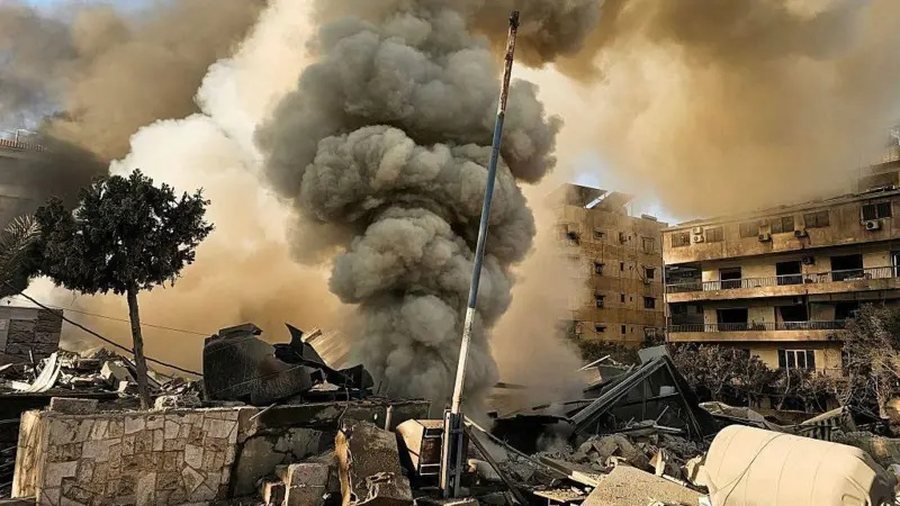
Historical experience shows that failures in Vietnam, Afghanistan, and Ukraine stemmed from faulty assumptions about military power. Yet the current administration ignored these vital lessons before entering the conflict with Iran. Today, the consequences of this strategic arrogance are weighing heavily on the global economy and the stability of our coalitions.
Wars are rarely lost initially on the battlefield. They are lost in the minds of leaders, when leaders misread what they and their opponents can do, when their faith replaces common sense, and when the last battle is confused with the next.
The Trump administration’s miscalculation on Iran is not an anomaly. It is the latest chapter in one of the oldest and deadliest traditions in international politics: the catastrophic gap between what leaders believe going into war and what war actually produces.
I am a scholar of international security, civil wars, and U.S. foreign policy, and the author of the book “Dying by the Sword,” which analyzes the reasons why the United States repeatedly seeks military solutions and why such interventions rarely produce lasting peace.
I believe the deeper problem with the US war on Iran was the overconfidence created by its recent success. Before the conflict involving Iran, Israel and the US escalated, Energy Secretary Chris Wright dismissed concerns about oil market disruption, noting that prices had barely moved during the 12-day war in June 2025 between Israel and Iran.
Other senior officials agreed with him. What followed was significant: a barrage of missiles and drones directed by Iran against U.S. bases, Arab capitals, and Israeli population centers.
Then, Iran closed the Strait of Hormuz, through which about 20 percent of the world's oil supply passes every day - not with a naval blockade, not with mines or massive anti-ship missiles, but with cheap drones.
A few strikes near the strait were enough. Insurers and shipping companies decided the passage was unsafe. Tanker traffic dropped to zero, although the occasional ship has managed to pass recently. Analysts are calling this the biggest energy crisis since the oil embargo of the 1970s.
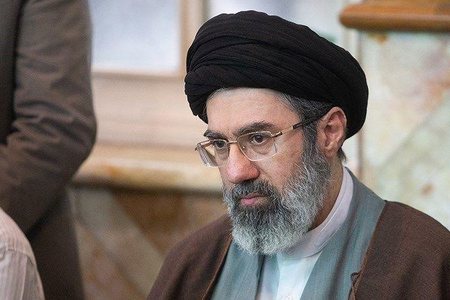
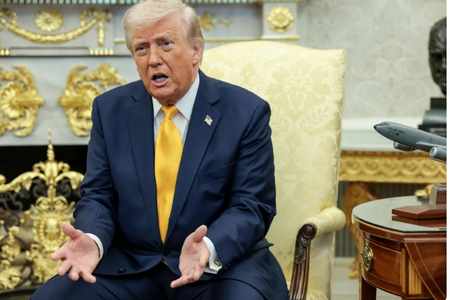
President Donald Trump on March 17 expressed his anger at allies who refused to help the U.S. force the reopening of the Strait of Hormuz to tanker traffic. Meanwhile, Iran's new Supreme Leader, Mojtaba Khamenei, has vowed to keep the strait closed.
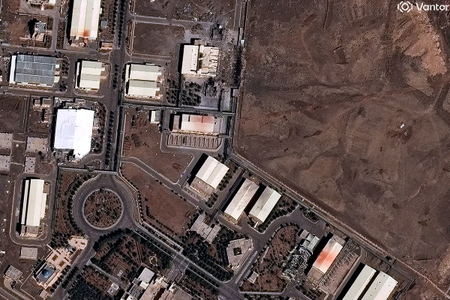
Pa ambasadë në Teheran që nga viti 1979, SHBA-ja mbështetet shumë për inteligjencë te rrjetet e CIA-s me cilësi të dyshimtë dhe asetet izraelite që kanë në mendje interesat e vendit të tyre. Prandaj, SHBA-ja nuk e parashikoi që Irani kishte rindërtuar dhe shpërndarë kapacitete të rëndësishme ushtarake që nga qershori 2025, dhe as që do të godiste fqinjët në të gjithë rajonin, përfshirë Azerbajxhanin, duke e zgjeruar konfliktin shumë përtej Gjirit Persik.
Mësimi i gabuar nga Venezuela
Ndërhyrja e shpejtë ushtarake nga SHBA-ja në Venezuelë në janar dha rezultate të shpejta me reagime minimale. Ajo u duk se vërtetoi besimin e administratës te veprimet shtrënguese. Por fitoret e pastra janë mësues të rrezikshëm.
Ato ushqejnë atë që unë e quaj “indeksi i arrogancës/përulësisë”: sa më shumë që një udhëheqje mbivlerëson aftësitë e veta, nënvlerëson ato të kundërshtarit dhe shpërfill pasigurinë, aq më i lartë është rezultati dhe aq më shumë gjasa ka që të pasojë katastrofa. Fitoret e pastra e rritin këtë indeks pikërisht në kohën kur skeptikizmi është më i nevojshëm, sepse ato sugjerojnë se kundërshtari i radhës do të jetë po aq i menaxhueshëm sa i fundit. Politologu Robert Jervis tregoi dekada më parë se perceptimet e gabuara në marrëdhëniet ndërkombëtare nuk janë të rastësishme, por ndjekin modele. Udhëheqësit priren të projektojnë logjikën e tyre kosto-përfitim mbi kundërshtarët që nuk e ndajnë atë.
Shtetet e Bashkuara në Vietnam, 1965-1968
Strategët amerikanë të luftës besonin se superioriteti material do t'i detyronte komunistët në Hanoi që të dorëzoheshin. Por kjo nuk ndodhi. Vetëm fuqia e zjarrit amerikane nuk çoi në disfatë ushtarake, e aq më pak në kontroll politik.
Ofensiva e Tet-it në vitin 1968 - kur forcat e Vietnamit të Veriut dhe Viet Kongut nisën sulme të koordinuara në të gjithë Vietnamin e Jugut - e rrëzoi narrativën zyrtare të SHBA-së se lufta ishte pothuajse e fituar.
Ndonëse forcat e SHBA-së dhe ato të Vietnamit të Jugut arritën në fund t’i zmbrapsnin sulmet, përmasat dhe surpriza e tyre bënë që publiku të mos u besonte deklaratave zyrtare, duke përshpejtuar erozionin e besimit publik dhe duke kthyer në mënyrë vendimtare opinionin amerikan kundër luftës.
Humbja e SHBA-së në Vietnam nuk ndodhi në një fushëbetejë të vetme, por përmes shpërbërjes strategjike dhe politike. Megjithë superioritetin dërrmues, Uashingtoni ishte i paaftë të ndërtonte një qeveri të qëndrueshme dhe legjitime në Vietnamin e Jugut ose të njihte qëndrueshmërinë e forcave të Vietnamit të Veriut.
Përfundimisht, me rritjen e viktimave dhe protestave në shkallë të gjerë në vend, forcat amerikane u tërhoqën, duke i dorëzuar kontrollin e Saigonit forcave të Vietnamit të Veriut në vitin 1975.
Dështimi i SHBA-së ishte konceptual dhe kulturor, jo informativ. Analistët amerikanë thjesht nuk mund ta imagjinonin luftën nga perspektiva e kundërshtarit të tyre.
Afganistani: Supozimet vdekjeprurëse
The Soviet Union in Afghanistan in 1979 and the United States in Afghanistan after 2001 waged two different wars, but made the same deadly assumption: that outside military force could quickly impose political order on a fractured society that strongly resisted foreign control.
In both cases, the great powers believed that their capabilities would outweigh local complexities. In both cases, the war evolved faster and lasted much longer than their strategies could accommodate.
Russia, Ukraine and the Strait of Hormuz
This is the case that should haunt Washington the most. Ukraine showed that a materially weaker defender can inflict great costs on a stronger attacker through battlefield innovation: cheap drones, decentralized adaptation, real-time intelligence, and creative use of terrain and chokepoints to find asymmetric advantages.
The US watched all of this in real time for 4 years and helped fund it. But Iran was watching too, and the proof is the Strait of Hormuz. Tehran didn't need a navy to shut down the world's most important energy hub.
It needed drones, the same cheap, asymmetric technology that Ukraine used to frustrate Russia’s attack. Apparently Washington, which had provided much of this playbook to Ukraine, never asked the simple question: What happens when the other side has been keeping notes?
This is not a failure of American intelligence, but a failure of strategic imagination, precisely what the arrogance/humility index is designed to highlight. Iran does not need to defeat the US conventionally.
He need only increase costs, exploit strategic points, and wait for a rift among U.S. allies and domestic political opposition to force a false declaration of victory by the U.S. or a genuine American withdrawal.
Iran has selectively kept the strait open to Turkish, Indian, and Saudi ships, rewarding neutral countries and punishing U.S. allies, creating divisions in the coalition. Historian Geoffrey Blainey once argued that wars begin when two sides have incompatible beliefs about power and end only when reality forces those beliefs to align.
This alignment is happening now, at great cost, in the Persian Gulf and beyond. The Trump administration scored high on the arrogance index at precisely the moment it needed humility most.
Note: Monica Duffy Toft is Professor of International Politics and Director of the Center for Strategic Studies, Fletcher School, Tufts University./ Adapted "Pamphlet" from "The Conversation"



Amerika,dua të them shtetet e bashkuara kanë fuqia më e madhe ushtarake dhe ekonomike në botë. Por Amerika është superfuqia më e tmerrshme në botë vetëm kur lufta bëhet në " American soil"! Kudo tjetër është një dështim