


 Shkruar nga Pamfleti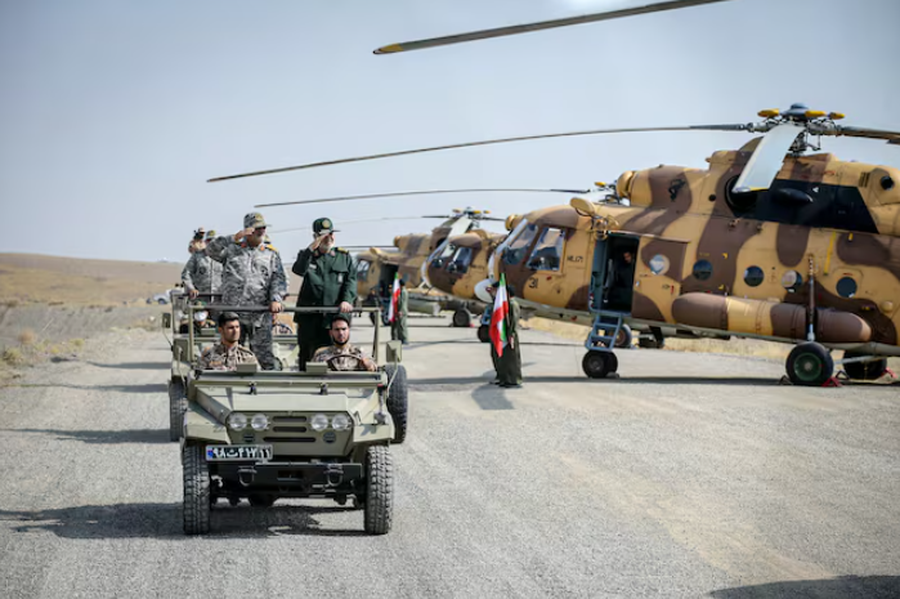
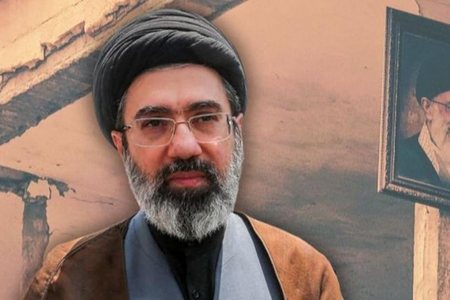
Iran's Supreme Leader, Mojtaba Khamenei, exercises limited authority, while decision-making on key issues such as war, security and diplomacy is increasingly in the hands of the leaders of the Islamic Revolutionary Guard Corps, sources cited by The New York Times report, confirming speculation in recent weeks about changes in the power hierarchy in Tehran.
According to these sources, a narrow "council" of Revolutionary Guard commanders has effectively taken over the strategic direction of the country. In this structure, the role of civilian institutions appears to be reduced.
President Masoud Pezeshkian and Foreign Minister Abbas Araghchi are cited as figures with limited influence in the decision-making process. Meanwhile, Mojtaba Khamenei is reported to mainly approve decisions that have already been made by military structures, with which he has long-standing personal ties.
Analysts and inside sources cited by the newspaper emphasize that Khamenei is "not yet fully in command" and that his position remains dependent on the support of the generals. This dependence is also related to the need for political legitimacy after his succession to the head of state, after the previous leader, Ali Khamenei.
The interpretation of the reporting suggests a shift in the balance of power in Iran, where military structures are gaining a greater role in directing the country's strategic policies.


Lini një Përgjigje