


 Shkruar nga Pamfleti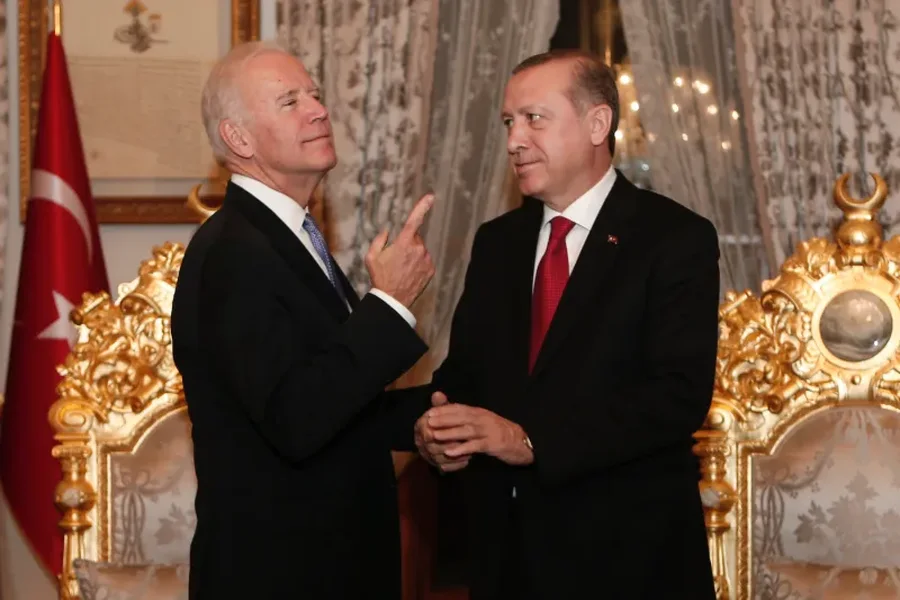
The international expert Alexandros Despotopoulos has spoken about the diplomatic game between Washington and Ankara with the main issue of the purchase of armaments, but also about the clauses that Athens is trying to ensure that the fighter jets that will be sold to Turkey will not be used against its country.
According to Despotopoulos, Turkey "will continue the oriental bazaar as it is already a consolidated diplomatic policy of the Turkish president, which will not be stopped due to the upgrade and purchase of new F-16 aircraft".
However, Desporopoulos estimates that "Erdogan does not control the diplomatic game".
"Turkey is facing major diplomatic problems. Its relations with potential energy partners and Mediterranean players, such as Israel and Egypt, range from very poor to cautious, when Greece and Cyprus are slowly but surely building the energy future of our wider region," says the analyst.
Regarding Congress's approval of the sale of F16 fighter jets to Turkey, Despotopoulos points out that "the No Jets for Turkey coalition and other groups are lobbying for strict legislative scrutiny before the sale of new jets to Turkey is approved."
Interview of international expert Alexandros Despotopoulos on CNN Greece:
What do you make of Biden's move to send a letter of political intent to Congress urging approval of the sale of F16s to Turkey, just hours after the Turkish National Assembly ratified Sweden's NATO membership?
"The developments of the last few days were more or less expected. An official letter from the State Department about the sale will follow, the famous "announcement". With his political letter, President Biden wanted to show the Turkish president that he is putting pressure on Congress, actually reaching on behalf of Mr. Erdogan the ratification of the Turkish National Assembly's decision to admit Sweden to NATO. I believe that the US Congress will eventually give the green light, but the process will not be straightforward. Already many pressure groups, such as the "No Jets fot Turkey" coalition, are lobbying for strict legislative control before the sale of new jets to Turkey is approved. Members of the Senate, even Democrats such as Chris Van Hollen, express reservations. Within this control, there is also the expectation that the upgrade and sale of new F-16s will be tied to conditions that do not allow their use against alliance members, and this is of immediate interest to us. In any case, the sale of the F-16 can proceed by decision of the US president, even without the consent of members of the US legislative bodies.
A do të vazhdojë presidenti turk pazaret orientale?
“Mendoj se pazari i hapur i tipit oriental është një politikë diplomatike tashmë e konsoliduar e presidentit turk, e cila nuk do të ndalet për shkak të përmirësimit dhe blerjes së F-16-ve të rinj. Zoti Erdogan nuk heziton të negociojë hapur dhe shpesh në mënyrë të pahijshme do të thosha. Të gjithë e mbajmë mend se si e vuri në pozitë të vështirë kancelarin Soltz me deklaratat e tij për Holokaustin, gjatë vizitës së fundit zyrtare në Gjermani. Ai nuk hezitoi të emërojë Izraelin dhe zotin Netanyahu si fajtorë për krimet gjenocidale në Gaza. Mendoj se presidenti turk do të vazhdojë të vazhdojë në të njëjtën mënyrë”.
Pas letrës së Presidentit Biden drejtuar ligjvënësve amerikanë, ka zëra që argumentojnë se Erdogan ka më në fund kontrollin e lojës diplomatike. Cili është mendimi juaj?
“Zoti Erdogan nuk e kontrollon lojën diplomatike. Unë do të thosha të kundërtën. Katër vjet më parë, Turqia ishte një bashkëprodhuese e F-35. Sot, pasi ka shpenzuar një kapital të jashtëzakonshëm diplomatik, madje duke kërcënuar me veton ndaj NATO-s, ai po feston sepse zhbllokoi blerjen e F-16-ve, avionëve të një gjenerate të mëparshme. Në të njëjtën kohë, Greqia ndodhet në hollin e F-35, klubit shumë të mbyllur të avionëve, për të huazuar përshkrimin e duhur të z. Dimitris Tsiodras, drejtor i zyrës politike të Kryeministrit.
Vlerësimi i tij se blerja e këtyre avionëve është vetëm çështje kohe për Greqinë është jashtëzakonisht inkurajues, veçanërisht nga një studiues me studime pasuniversitare për Marrëdhënie Ndërkombëtare në Tufts, SHBA. Konsideroni se vetëm 120 F-35 janë aktualisht në qarkullim në Evropë. Por edhe me pjesën tjetër të Perëndimit apo Lindjes së Mesme, Turqia përballet me probleme të mëdha diplomatike.
Marrëdhëniet e saj me partnerët e saj potencialë energjetikë dhe lojtarët e Mesdheut, si Izraeli dhe Egjipti, janë nga shumë të këqija në të kujdesshme, kur Greqia dhe Qiproja po ndërtojnë ngadalë por me siguri të ardhmen energjetike të rajonit tonë më të gjerë. As Turqia dhe as Irani nuk e shohin Turqinë pa dyshim. Në realitet, fitorja e vetme thelbësore diplomatike e Turqisë është memorandumi turko-libian, një marrëveshje e pavlefshme dhe e paligjshme, e cila madje neutralizohet nga ajo legale greko-egjiptiane”.
Burime diplomatike thonë se Athina kërkon të sigurojë klauzola se avionët luftarakë të shitur në Turqi nuk do të përdoren kundër vendit tonë. A është e mundur kjo tani që senatori Filhelen dhe kritiku i vendosur i Erdoganit, Robert Menendez nuk është më kryetar i Komisionit të Senatit për Marrëdhëniet me Jashtë?
"The absence of Mr. Menendez is definitely a blow to Greek interests. However, a number of leaders of our expatriate community, pressure groups of other actors, such as the Israeli lobby and many senators have serious reservations, asking for clauses not to use fighter jets against our country. The fact that the US is seriously discussing Turkey's violations and flights in the Aegean, which is also related to the purchase of the F-16, is a great success for our country. Such a discussion would have been unimaginable a few years ago and is indicative of warm US-Greece relations, but also of correspondingly cold Washington-Ankara relations. It goes without saying that the Greek government wants Turkey not to return to its aggressive policy of aggression in the Aegean and is obviously doing everything to achieve this. But let's be realistic. Greece cannot prevent the US from supplying Turkey with F-16s, while any clause that is put in place will be (also) subject to Ankara's broad interpretation. I don't think anyone believes that the US is going to send planes to intercept Turkish F-16s that can fly or breach the Aegean.
Recently, Iranian President I. Raishi visited President T. Erdogan in Ankara. There was no reaction from Washington. Why do you think the Americans did not react?
"The US and the West in general closely monitor the relations that Turkey develops with countries like Iran. The public agreement of the two leaders, Raisi and Erdogan, on the need to avoid escalating tensions in the Middle East was something that was apparently viewed favorably by the Americans, who are anxious about a possible extension of the war. As long as Iran and Turkey refrain from any direct operational involvement, the more diplomatic the West's attitude towards them will be."


Lini një Përgjigje