


 Shkruar nga Pamfleti
President Donald Trump's erratic moves are damaging US global influence and relations with allies...
The war with Iran is damaging the United States' influence around the world and exacerbating tensions with countries already grappling with the fallout from President Donald Trump's second term, an erosion of power that could be hard to reverse, while rivals like China take advantage of the situation.
From Bangladesh to Slovenia, fuel restrictions have slowed transportation, making it difficult for leaders to cope with the consequences of a war they did not want. In Muslim-majority countries, anti-US narratives are dominating the media landscape, often with the tacit approval of governments. America’s NATO allies have also limited support, with some saying the Trump administration did not consult them before launching the conflict with Iran.
The war appears to be accelerating what some see as a US disengagement from the rest of the world, since Trump's return to power and his use of economic and military power in an unsustainable manner, including trade tariffs.
“Many people are tired of the chaotic way this war has been fought and worried about the economic impact, but I haven’t seen any major protests,” said an Asian diplomat in Washington, speaking on condition of anonymity. “If a more reasonable leader becomes the next president, the US image could improve, but for policymakers it raises difficult long-term questions about US alliances and credibility.”
In a recent sign of distancing, Canadian Prime Minister Mark Carney called the economic relationship with the United States a “weakness” that must be corrected. He stressed that Canada can no longer rely on a single partner and cannot control the uncertainties that come from its neighbors.
Trump's vague stances on Iran's objectives have not built trust, according to several former U.S. officials. Thomas Wright, a former National Security Council official, said allies don't know what to believe, adversaries don't know what to fear, and the cabinet itself lacks clarity about the president's strategy.
The White House, through spokeswoman Anna Kelly, defended the "America First" policy, stating that it has brought better trade deals and increased defense spending by allies. She stressed that the goal is to eliminate the Iranian nuclear threat and increase global security.
Energy clashes
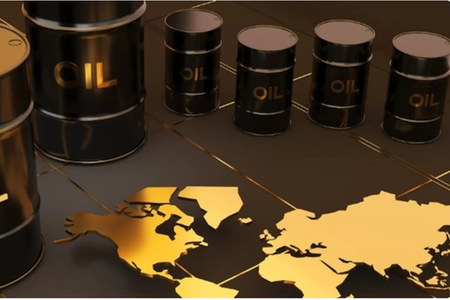
Since the start of the war on February 28 by the US and Israel, the global energy sector has been hit hard by the closure of the Strait of Hormuz and Iranian attacks on energy infrastructure in the Middle East.
While the US has temporarily benefited as the world's largest oil and gas producer, those gains could be short-lived. Asian countries, exposed to price fluctuations, have taken measures like working from home and restricting exports to save fuel. They plan to accelerate investment in renewable energy and nuclear power.
Europe is also aiming to avoid dependence on a single energy supplier and is planning to expand clean energy and electric vehicles. Many countries could look to China, which dominates the supply chain for solar power and batteries.
Less military support
The war has exposed the strains in US military alliances. Unlike previous conflicts, the US has failed to mobilize its allies widely. According to European diplomats, the Trump administration did not inform its closest partners in advance.
As a result, Britain and France have held meetings with other countries to draw up plans for keeping the Strait of Hormuz open after the war, without US involvement.
However, U.S. military relations remain strong. Many countries, despite their grievances, continue to seek American military support. One example is the joint military exercise between the U.S. and the Philippines, with the participation of Japan and Canada.
In the Middle East, reactions are mixed. Israel remains a strong ally, while some Gulf countries, although initially opposed to the attacks, have moved closer to the US after Iranian retaliatory attacks.
Diplomatic challenge
The war has damaged the US's reputation even in countries where it is trying to strengthen relations. A diplomatic report from Tajikistan warns of a rise in anti-American narratives and the growing influence of foreign actors in the media.
Similar reports from Bahrain, Indonesia, and Azerbaijan highlight the risk to security and cooperative relations.
The Trump administration defends its position by emphasizing that the actions are intended to prevent Iran from developing nuclear weapons and enhance global security.
In conclusion, Politico's analysis notes that although US strategic ties remain strong, current developments are prompting many countries to review relations with Washington and seek alternatives for the future. /Adapted from Pamphlet /



Lini një Përgjigje