


 Shkruar nga Pamfleti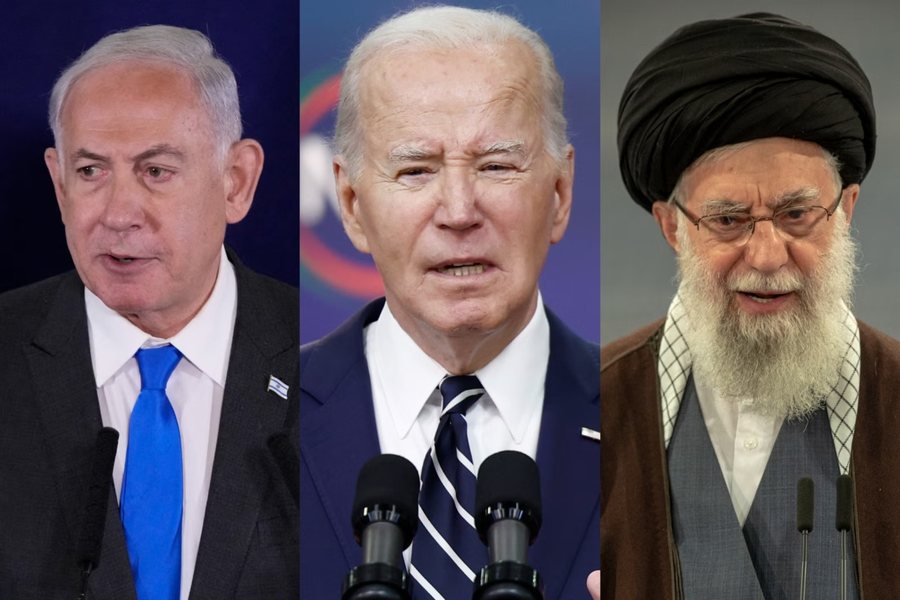
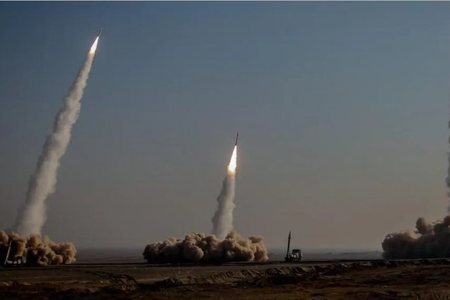
The fact that for the first time Tehran has directly attacked the Jewish homeland itself raises tensions, irritates their governments and indicates a new danger from Iran, which at this point is involved personally and no longer only through its puppet organizations or whatever. funded and supported like Hamas, Hezbollah, Huthi.
The idea that Iranian ayatollahs are expert politicians and grand strategists was shattered in the night between Saturday and Sunday.
Israel was losing the war in Gaza and now, after Tehran's attack, it has regained control of the initiative and is back to rallying international solidarity.
This is why Benjamin Netanyahu and his government must avoid an excessive response to the rocket and drone launches that hit the country. To establish the legitimacy of a possible massive retaliation, some Israeli officials ask what the United States would do if it suffered such aggression: It would strike back, they reply.
The argument has its own strength, but it pales in comparison to the situation that has been created: a war, the one in Gaza, which for Jerusalem seemed lost or close to losing, now has completely different prospects. It is up to the Israeli government not to throw them away.
Until a few days ago, Israel's political and diplomatic isolation had reached an unprecedented extent. Such clear criticism, whether right or wrong, had never come out of the White House. Not to mention Europe, where Israeli arguments struggled to reach Brussels and key chancelleries.
Arab countries in the region that dislike (euphemism) the Iranian regime - Saudi Arabia, the Emirates, Egypt, Jordan - were struggling to talk to Jerusalem in the face of the offensive and deaths in the Gaza Strip. Saturday night's attack gave a strong shock to this reality.
In the United States, growing voices calling for Joe Biden to deny Jerusalem new weapons include Nancy Pelosi, Elizabeth Warren, Bernie Sanders and many others.
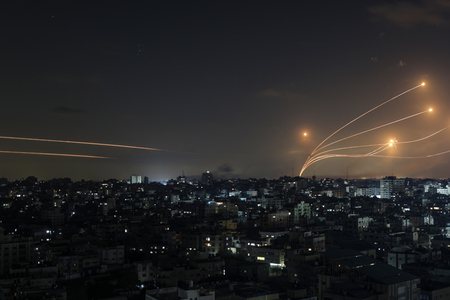
What would have happened to Israel if it had not developed defense systems together with Washington? And what would happen tomorrow if there were no more American military technology or American and British cover?
The Middle East would be even more topsy-turvy than it is today, with deadly dangers for Europe as well as for the international policy of the United States itself. The attack, ordered by Ayatollah Khamenei, had the effect of taking off the table the possibility of America ending support for the Israelis and supplying them with weapons, softening criticism from London and shocking Europeans.
Nga ana e tyre, regjimet arabe kanë frikë se konfliktet në Lindjen e Mesme do të marrin rrugën e një përshkallëzimi që do të jetë i vështirë për t'u kontrolluar. Dhe tani përgjegjësinë për këtë dëm e kanë ajatollahët. Fakti që për herë të parë Teherani ka sulmuar drejtpërdrejt vendin hebre në vetvete rrit tensionin, irritoi qeveritë e tyre dhe tregon një rrezik të ri nga Irani, i cili në këtë pikë është i përfshirë personalisht dhe jo më vetëm nëpërmjet organizatave të tij kukull apo sado financuar dhe mbështetur si Hamasi, Hezbollahu, Huthi. Mundësia që marrëdhëniet diplomatike midis Izraelit dhe Arabisë Saudite, të ngrira nga lufta në Gaza, të rifillojnë tani është më e madhe .
Në anën e brendshme, ajatollahët kanë rritur represionin paralelisht me lëshimin e raketave dhe dronëve, jo ndryshe nga sa bën Putin kundër kundërshtarëve të tij kur nis agresionin. Popullsia iraniane, tashmë e rraskapitur nga regjimi, tani duket se ka dy reagime.
E para është frika se aparati teokratik-politik do të çojë në luftë me Izraelin, gjë që shumë pak e duan. Reagimi i dytë varet nga dështimi i operacionit të së shtunës mbrëma . Është e vërtetë se Teherani e kishte parashikuar dhe njoftuar sulmin, duke përmirësuar aftësinë e Izraelit për t'u mbrojtur. Por është gjithashtu e vërtetë se qindra raketa dhe dronë të armatosur nuk janë gjë e vogël: fakti që të gjitha janë neutralizuar në thelb jep shenjën e dështimit ushtarak. Retorika e pamposhtshmërisë pothuajse hyjnore e propaganduar nga regjimi lëkundet në sytë e iranianëve. Gjithashtu ka të ngjarë të lëkundet në mendjet e luftëtarëve të lidhur me Teheranin, qoftë në Gaza, Liban apo Jemen.
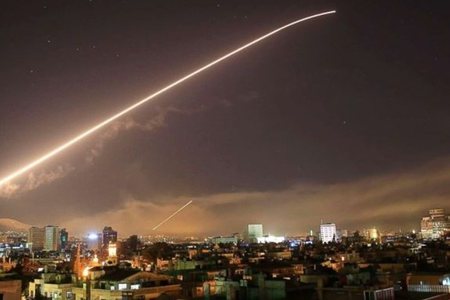
Regjimi iranian e festoi sulmin (për të qenë i sinqertë, me gjysmë zemre) por është e qartë se pasojat e tij politike nuk janë aspak të mira. Ai e ktheu drejtimin që po ndërtonte kundër Izraelit në një katastrofë gati . Ndoshta, ajatollahët dhe Garda Revolucionare nuk mund të bënin gjë tjetër veçse t'i përgjigjeshin vrasjes (më 1 prill) të një prej komandantëve të tyre ushtarakë në Damask nga duart, sipas të gjitha gjasave, të Izraelit. Por ky është ngërçi në të cilin gjenden shpesh autokracitë: duke u detyruar të përkulin muskujt e tyre, për arsye të brendshme dhe për arsye të reputacionit të regjimit, edhe kur kjo është e pamend apo edhe e çmendur .
Në të vërtetë, pasojat nga sulmi tani tregojnë dobësinë politike, diplomatike dhe ushtarake të Teheranit. Në këtë kuptim, Biden ka të drejtë kur në thelb i thotë Netanyahut "kishe një fitore, merre atë", mos e hidh.
If Netanyahu decided to let go of retaliation, 360-degree retaliation, or otherwise severe retaliation, he would effectively throw away the advantage he suddenly found. It is diplomacy and political capacity that now offer the possibility of building a new situation, of further isolating Iran, in a collaboration between Israel, Washington, the so-called moderate Arab countries, London and Paris. If it comes to winning the post-war period, we now know that behind their long beards, the ayatollahs are short-sighted./ Spit from Corriere della Sera




Lini një Përgjigje