


 Shkruar nga Pamfleti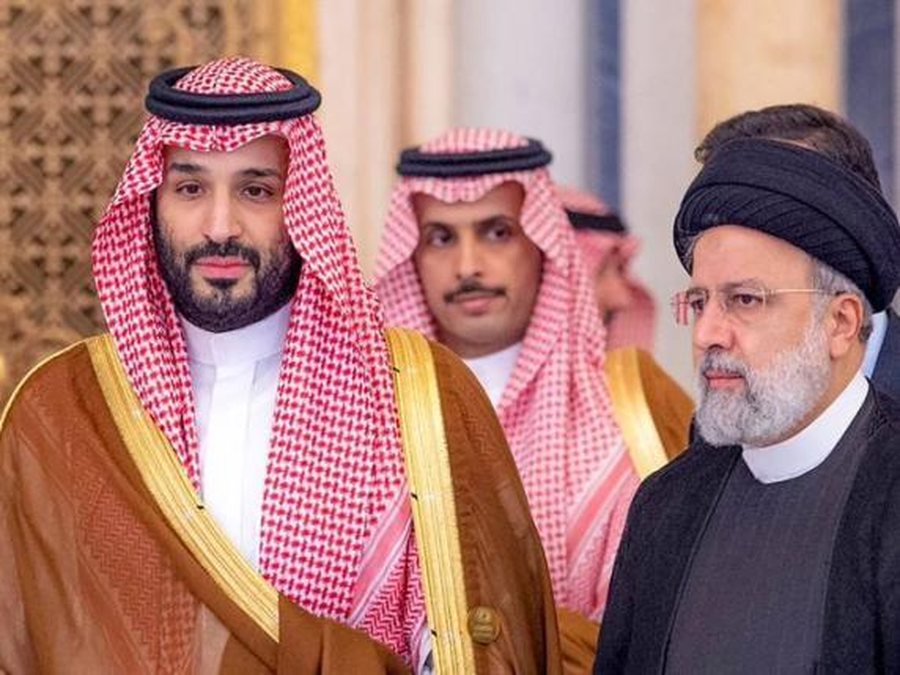
Sunni Arab governments have long made their choice: Iran is the main threat to them, not Israel...
There is an Arab component that neutralized the Iranian attack against Israel: a point in favor of American diplomacy in the Middle East.
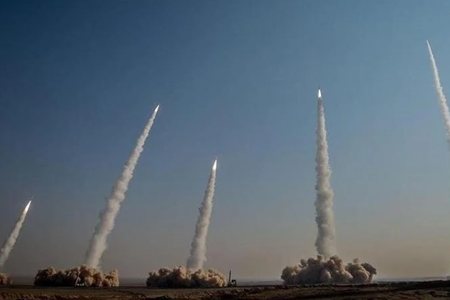
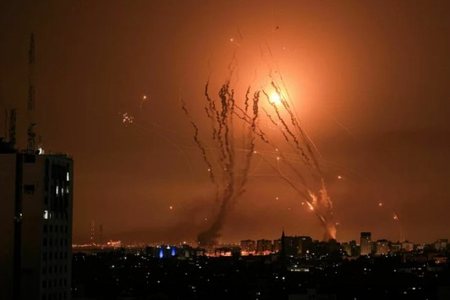
The success of Israel and America in capturing most of the drones and missiles launched by Tehran is also due to the cooperation of several Arab countries. Jordan was more exposed, with the intervention of its anti-aircraft defenses. But Saudi Arabia and other allied countries have also contributed: with information from their secret services about the Iranian attack, with spying on the skies with their radar systems, and with the "concession" of their airspace for the flight of American planes.
It was a precious, rational and dangerous collaboration. If the number of damages was so limited, it is also due to the intervention of this unannounced "invisible coalition".
Sunni Arab governments - of a moderate conservative orientation - have long made their choice: Iran is the main threat to them, not Israel. The low profile that many of them have adopted on this occasion is understandable.
The ongoing humanitarian tragedy in Gaza has mobilized public opinion in the Arab and Islamic world. Coming to Israel's aid at this stage is an unpopular choice. The less said about it the better... But the bottom line is the same, the moderate Arab world preferred the lesser evil, contributed to the defense of Israel and deterred the Iranian attack.
Prince Mohammed bin Salman's (MbS) Saudi Arabia is a key player in understanding this geopolitical positioning. The Kingdom of Saudi Arabia (KSA) has lived under the existential threat of Persian expansionism since 1979. From the outset, Ayatollah Khomeini's Islamic revolution launched an attack on the legitimacy of the Saudi monarchy, guardian of the holy sites of Mecca and Medina. The destruction of the state of Israel, the expulsion of the United States from the Middle East, the eventual overthrow of the Saudi dynasty, and the conquest of the Prophet's holy cities were the stated objectives of Khomeini's messianic preaching. Riyadh suffered the consequences not only in an ideological challenge, but also on a military level. Tehran has backed the Houthis in Yemen to draw Saudi Arabia into a regional conflict and weaken it.
In 2019, a terrifying Iranian-led drone attack hit several key oil infrastructures in the Kingdom, disabling them for weeks. The Saudi monarchy feels its vital interests and survival threatened by Iran, in a sort of contemporary re-enactment of the millennia-old challenge between the Arab and Persian empires.
Prince MbS drew conclusions. In his language, any animosity toward Israel is long gone. Also gone is the "culture of victimhood" of which the Arab world had been imprisoned for decades: looking for a scapegoat (the West or Zionism) for its own failures. MbS sees Israel as a model - economic, technological, scientific - to be studied and imitated. After the Abraham Accords of 2020, by which the Emirates, Bahrain, Sudan and Morocco established diplomatic relations with Israel, the next stage was the involvement of the KSA.
Biden's success in rallying this Arab coalition against the rain of missiles and drones from Iran recalls an excellent precedent. When Saddam Hussein invaded Kuwait in 1990, the Iraqi dictator's next step was to be Arabia. George Bush sent immediate military aid to protect the Kingdom.
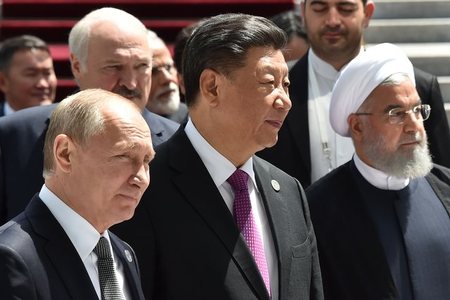
MbS has made Arabia play a more autonomous role: it has good relations with China and Russia, it is a major player in the global South. But in the hour of emergency, the military alliance with the United States prevailed. / Adapted "Pamphlet" from "Corriere Della Sera"




Lini një Përgjigje