


 Shkruar nga Pamfleti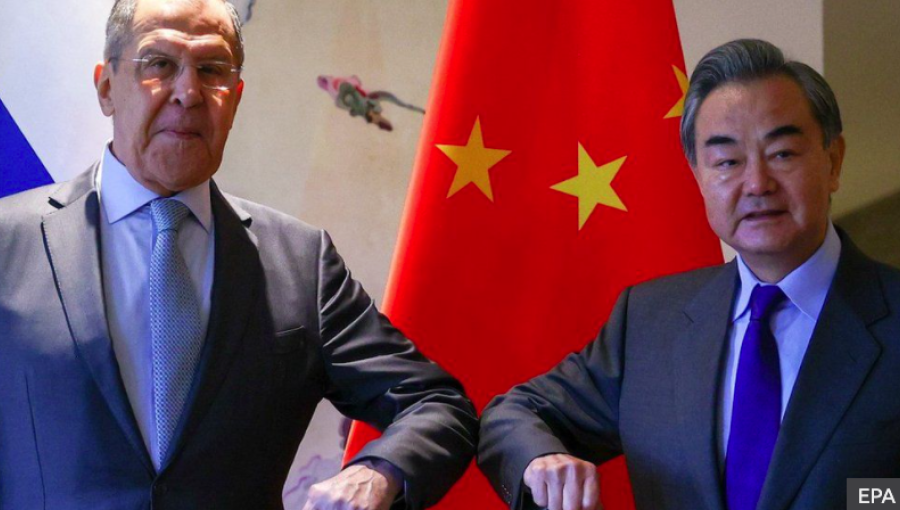
China has indicated its willingness to send troops to Ukraine as part of a peacekeeping mission, but only if such a deployment is authorized by the United Nations, Welt am Sonntag reported on August 24, citing European Union diplomats.
Beijing has tried to position itself as a potential mediator in the conflict, while carefully limiting any military involvement to a framework sanctioned by international law. According to diplomats, Chinese officials made it clear that participation would be conditioned by a UN mandate, not by bilateral or regional agreements.
"China has signaled its willingness to send troops to Ukraine as part of a peacekeeping mission, but only under a UN mandate," the German newspaper quoted EU diplomats as saying.
If this action were taken, it would represent Beijing's most direct role in the conflict since Russia's full-scale invasion began in 2022. China has so far balanced its stance between maintaining close ties with Moscow and promoting itself as a neutral actor supporting negotiations.
Beijing has repeatedly called for an end to the war. While it has supported Russia and continues to provide economic support, providing Russia with a host of dual-use goods and technology, it has refrained from fully supporting Russia. In all UN votes to condemn Russia’s unprovoked invasion of Ukraine, China has consistently abstained rather than join a small number of nations that have voted in support of Russia’s actions. Similarly, Beijing presented a 12-point peace plan on the anniversary of the start of the war, which is very similar to the terms that US President Donald Trump is now proposing.
Western governments remain wary of Beijing's intentions, noting that China has deepened trade and energy cooperation with Russia while opposing sanctions imposed by the EU and the United States. At the same time, Beijing's support appears to have grown after a new Chinese-made drone was found on the battlefield and much of the technology in Russia's missiles is of Chinese origin. A Chinese troop presence in Ukraine under UN auspices would require approval by the Security Council, where Beijing has a veto power along with Moscow.
"China's position is entirely framed within the context of the UN," an EU diplomat told Welt am Sonntag, underlining that no independent Chinese mission is being considered.
The idea of peacekeepers, now downgraded to a “security force,” was initially proposed by French President Emmanuel Macron but was abandoned in March as unworkable. However, as talks began to provide Ukraine with real security guarantees after the Alaska summit on August 15 and then the White House summit on August 18, ahead of a discussed meeting between Ukrainian President Volodymyr Zelenskiy and Russian President Vladimir Putin, the idea has been revived.
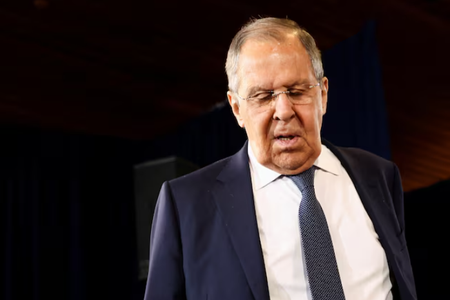
Russian Foreign Minister Sergei Lavrov has said firmly and repeatedly that the deployment of NATO-backed troops in Ukraine is unacceptable to the Kremlin and would have “unforeseen” consequences. However, the Kremlin may be open to non-NATO peacekeepers in Ukraine, especially if this is supported by a UN resolution and consists of forces provided by its BRICS partners.


Lini një Përgjigje