


 Shkruar nga Pamfleti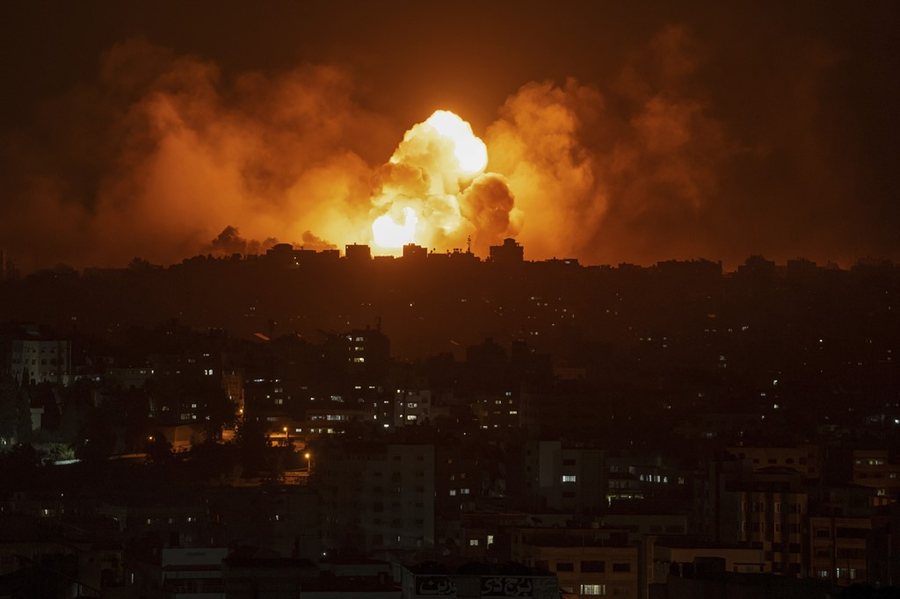
Hamas may try to drag Israel into a quagmire similar to the Israeli invasion of Lebanon in 1982, knowing that Israeli forces are far more vulnerable when fighting on foot than when dropping bombs from the sky...
US national security adviser Jake Sullivan noted just last week that "the Middle East region is calmer today than it has been in the last two decades."
Saturday's surprise attack by Hamas fighters in Israel is a grim reminder that, in the Middle East, war usually takes precedence over peacemaking.
Indeed, while we do not know for sure why Hamas chose to strike right now, it may be part of a larger effort by Iran and its proxies – including Hamas – to prevent a historic reconciliation between Jerusalem and Riyadh.
It is quite shocking to see the online footage of the Hamas attack as an American witnessed the events from afar. The shock must be many times greater for Israelis who have to process the disaster that has befallen their country. This is Israel's 9/11, and just as the 9/11 attacks spread across the world from Afghanistan to Iraq, so the 7/10 attacks will unfold in ways that are just as dangerous and just as unpredictable. .
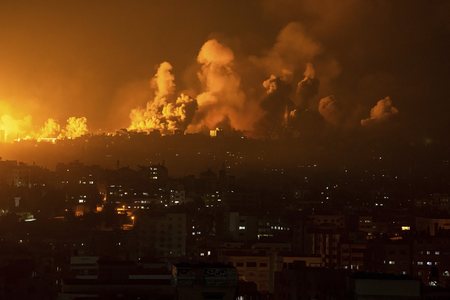
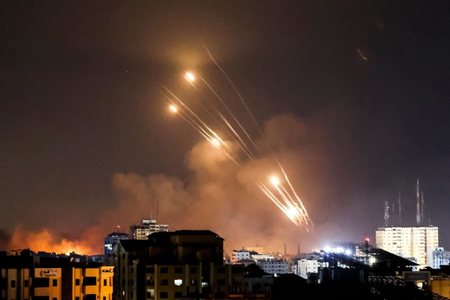
Israel is used to the threat posed by Hamas rockets – and indeed there was a large-scale rocket attack from the Gaza Strip on Saturday. But there is no precedent for the massive ground attack that Hamas also undertook. Hamas fighters managed to infiltrate Israeli border posts and the border fence surrounding Gaza, rampaging through surrounding Israeli communities, massacring innocent civilians and taking hostages. They even managed to infiltrate Israeli military bases and capture Israeli tanks and other armored vehicles. Hamas fighters are committing war crimes as they carry out an audacious terrorist operation that has shaken Israel's sense of security. Israel will undoubtedly retaliate with an overwhelming military response.
Although Israel could never make peace with Hamas, a movement dedicated to the destruction of the Jewish state, it had learned to live with a terrorist organization controlling the Gaza Strip as a lesser evil — compared to a renewed Israeli occupation. . Israel had conducted numerous military operations against Hamas since its takeover in 2007, two years after Israel withdrew from Gaza. But these were mostly from the air. And even when Israeli troops were deployed, they never stayed for long.
Dealing with Hamas in Gaza puts Israel in a strategic quandary: it must exert enough force to deter Hamas from attacking, but not enough to topple the regime. As one Israeli defense analyst put it, 'We want to break their bones without putting them in the hospital.'
Now the pressure will be irresistible for Netanyahu, who declared on Saturday that "we are at war," to order the complete destruction of Hamas. This could lead Israeli troops into extremely difficult combat in the dense urban terrain of Gaza City against a hidden enemy that may be hiding among the civilian population. Indeed, Hamas may try to drag Israel into a quagmire similar to the Israeli invasion of Lebanon in 1982, knowing that Israeli forces are far more vulnerable when fighting on foot than when dropping bombs from the sky.
Ushtria izraelite mbetet forca më e fortë në Lindjen e Mesme dhe në fund do të mbizotërojë. Por edhe një fitore taktike do ta linte Izraelin të përballej me pyetjen "Tani çfarë?" Shumica e izraelitëve nuk kanë dëshirë për një okupim afatgjatë të Rripit të Gazës, i cili në mënyrë të pashmangshme do të çonte në viktima të mëtejshme izraelite dhe akuza se trupat e tyre po kryejnë krime lufte. Por atyre po u mbarojnë alternativat.
E vetmja siguri është se sulmi i Hamasit do ta përkeqësojë jetën për palestinezët. Gaza është tashmë një nga vendet më të varfra në Tokë dhe mjerimi i saj është përkeqësuar vetëm nga bllokada izraelito-egjiptiane e krijuar për të parandaluar Hamasin të grumbullojë shumë fuqi ushtarake. Një ditë para sulmeve, The Post botoi një histori rrënqethëse sesi tregtarët në Gaza janë kaq të varfër, ata nuk mund të përballojnë kamionë dhe duhet të mbështeten te gomarët – vetëm për të parë se furnizimi i gomarëve nga Izraeli po shteron.
Hamasi nuk sulmoi për shkak të kushteve të mjerueshme në Gaza. Udhëheqësit e saj janë të izoluar nga privimi dhe të motivuar nga fanatizmi fetar dhe nacionalist. Por kushtet e tmerrshme e bëjnë të lehtë për Hamasin që të rekrutojë luftëtarë nga mesi i të rinjve aq të varfër dhe të dëshpëruar, saqë nuk kanë alternativë më të mirë sesa të bëhen "martirë".
Në fund të fundit, izraelitët dhe palestinezët duhet të pranojnë se nuk kanë alternativë tjetër veçse të jetojnë krah për krah në paqe. Izraelitët përgjegjës – të cilët kryesisht mungojnë në kabinetin e ekstremit të djathtë të Netanyahut – e dinë se jeta e palestinezëve duhet të përmirësohet për të parandaluar më shumë shpërthime dhune në të ardhmen.
An Israeli-Saudi normalization agreement, assuming it preserves the possibility of a two-state solution, could make an important contribution to Israel's long-term security. But the prospect of advancing peace talks is much more remote today than it was yesterday. Right now, war and suffering are the order of the day, with no clear end in sight./ Adapted "Pamphlet" from "The Washington Post"




Lini një Përgjigje