


 Shkruar nga Futura d’Aprile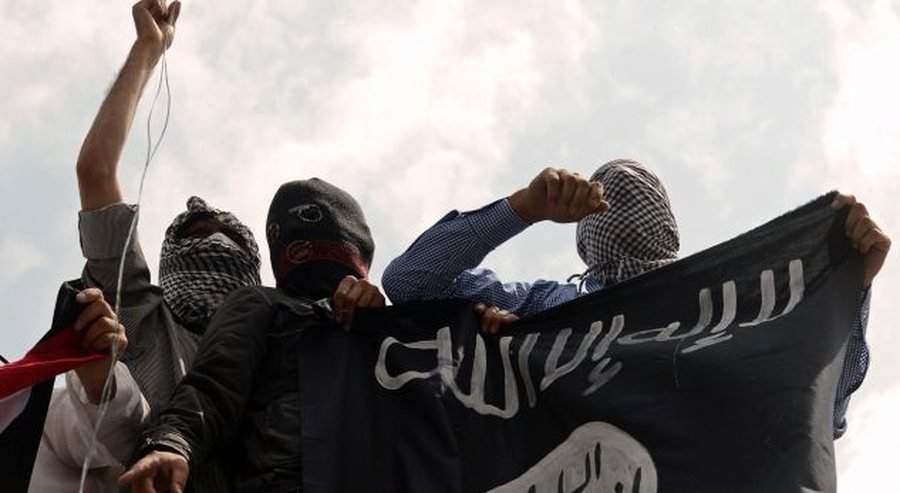
One of the issues that still needs to be resolved concerns the future of ISIS foreign fighters and their families. Both are held in prisons and camps under the control of the Northeastern Autonomous Administration, but managing these facilities presents numerous challenges...
While clashes between the Syrian army and the Druze continue in the southwest, in the northeast there are ISIS fighters and families awaiting repatriation. European countries are unable to reintegrate them into society. However, there is one successful case of deradicalization of repatriated women and children: Kosovo.
In Italy, the only bill on this issue has stalled in the Senate.
In March 2025, the interim government in Damascus led by President Ahmed al-Sharaa signed an agreement with Mazloum Abdi, the commander-in-chief of the Syrian Democratic Forces, to reunify Syria.
Nearly four months later, the process is still ongoing and tensions with the country's minorities remain present, as demonstrated by recent clashes between the Damascus army and the Druze population of Suwayda, in southwestern Syria.
One of the issues that still needs to be resolved concerns the future of foreign ISIS fighters and their families. Both are held in prisons and camps under the control of the Northeastern Autonomous Administration, but managing these facilities presents numerous challenges.
The ideology of the Caliphate
Prisons require security standards that the Autonomous Administration is not always able to guarantee, and over the years some jihadists have managed to escape.
The camps, on the other hand, are places where the ideology of the Islamic State continues to live on through the lessons taught to children by those women who still believe in the Caliphate.
Once the country is reunified, the administration of the camps and prisons should also be transferred to the al-Sharaa government. Turkish Foreign Minister Hakan Fidan expressed his opinion on this point, reiterating Turkey's commitment to supporting Damascus not only in its operations against ISIS, but also in the future management of the places where former fighters, women and minors are held.
But what should be done with the jihadists, and especially the families still trapped in northeast Syria?
According to Tanya Mehra, senior research fellow at the International Center for Counterterrorism, they should be repatriated. "So far, only a small number of countries have repatriated their citizens; the only country that has been relatively active is Iraq," she said.
Por midis mijëra njerëzve të mbajtur në al-Hol dhe al-Roj ka edhe qytetarë evropianë. Si Meriem Rehaily, gruaja 28-vjeçare italiane që mbërriti në Siri në vitin 2014 dhe u dënua në mungesë në vitin 2017 me katër vjet burg për rekrutim për qëllime terrorizmi ndërkombëtar.
Riatdhesimi është gjithashtu i nevojshëm sepse Damasku, thekson studiuesi, nuk ka një sistem drejtësie penale vërtet funksional.
Ideja e krijimit të një gjykate ndërkombëtare për të gjykuar të paktën luftëtarët ishte hedhur në qarkullim në të kaluarën, por, thekson Mehra, një gjykatë e tillë do të ishte jashtëzakonisht e kushtueshme dhe mund të gjykonte vetëm ata me përgjegjësi serioze. Prandaj, riatdhesimi mbetet opsioni më i mirë.
"Disa vende evropiane po e bëjnë këtë, veçanërisht në rastin e grave dhe fëmijëve, por në përgjithësi ato po i zhvendosin problemet e tyre diku tjetër dhe po përmbahen nga marrja e përgjegjësisë për qytetarët e tyre."
Por a do të ishin në gjendje shtetet e BE-së të riatdhesonin dhe riintegronin të paktën gratë dhe të miturit në shoqëri? Sipas Claudio Bertolotti-t, një ekspert i radikalizimit në ISPI dhe anëtar i Qendrës së Njohurive të BE-së për Parandalimin e Radikalizimit, përgjigjja është jo.
"Vendet e BE-së kanë miratuar një qasje jo të hapur sepse, deri më sot, nuk ka një sistem efektiv për riintegrimin e radikalëve. Janë kryer eksperimente të ndryshme, duke përdorur qasje të ndryshme, por asnjëra nuk ka dhënë rezultate të favorshme", shprehet ai.
Në Itali, thekson Bertolotti, nuk ka një proces të strukturuar deradikalizimi sepse, për dy mandate legjislative, të 17-tin dhe të 18-tin, i vetmi projektligj mbi këtë temë ngeci në Senat.
"Sot, ne nuk flasim më për deradikalizim, por për braktisjen e dhunës. Ne ndërhyjmë për të parandaluar që urrejtja të shndërrohet në demonstrata të dhunshme."
Bertolotti thekson gjithashtu se kur flasim për radikalizim, në një kuptim të përgjithshëm, i referohemi një përqindjeje të vogël individësh brenda grupit të cilit i përkasin, dhe se individët që radikalizohen gjatë adoleshencës nuk mbeten gjithmonë të tillë me kalimin e viteve.
Prandaj, një fushë ndërhyrjeje mund të jenë shkollat. "Zvicra po investon shumë te mësuesit në institutet teknike për t'i ndihmuar ata të kuptojnë se si të parashikojnë sjelljen e dhunshme të një studenti."
Megjithatë, duke parë përtej Bashkimit Evropian, ekziston një studim rasti i suksesshëm i deradikalizimit të grave dhe të miturve të riatdhesuar nga Siria: Kosova.
Vendi ballkanik filloi procedurat e riatdhesimit në vitin 2019, menjëherë pas rënies së Shtetit Islamik, duke marrë mbrapsht gjithsej 253 persona. Sipas autoriteteve, në kohën e riatdhesimit të tyre, personat e kthyer në Kosovë nuk përbënin kërcënim për komunitetin dhe riintegrimi i tyre në shoqëri, në fakt, do të parandalonte përhapjen e ekstremizmit të dhunshëm.
To facilitate the reintegration of these people, the government has created a dedicated department and included social workers, school administrators, teachers, psychologists, and security forces, in addition to providing financial, psychological, and linguistic support, especially for minors born or raised in Syria.
According to data collected by the Balkan Investigative Reporting Network, the program has achieved the desired results and the vast majority of those convicted of terrorism have not committed new crimes. The EU and UN missions in Kosovo have expressed some concerns about the length of terrorism sentences given to former fighters and women, but overall the repatriation program has been praised by both institutions.
The role of the EU
Despite this, the European Union has not discussed the issue of repatriation and the management of prisons and camps in Syria. The EU has no specific competence in this matter, as responsibility for criminal matters, reintegration and internal security lies with individual member states. However, the EU faced a different challenge with the new Syrian government.
"In the months immediately after the fall of Assad, the presence of former foreign fighters in the ranks of the new Syrian army was a point of contention between Damascus and Western governments in general," explains Silvia Carenzi, a research fellow at ISPI. According to her, after the meeting between al-Sharaa and Trump in Riyadh, countries like the US seem to have accepted the policy of integrating foreign fighters as the most realistic option to keep them within the orbit of the new administration.
However, for Trump, the issue is important, to the extent that he has emphasized that he expects the Syrian government to cooperate in preventing a resurgence of the so-called Islamic State and to take over the management of camps and detention centers in northeastern Syria.
The issue, among other things, has returned to the spotlight in recent weeks because, according to statements by the Syrian Interior Minister, two members of the cell linked to the attack on the Mar Elias church in Damascus came from the al-Hol camp.
Carenzi emphasizes that "this underlines how the issue of the camps, especially the need to repatriate foreign camp residents and develop effective rehabilitation policies, is more urgent than ever." / Adapted Pamphlet from Domani/


Lini një Përgjigje