


 Shkruar nga Francesco Strazzari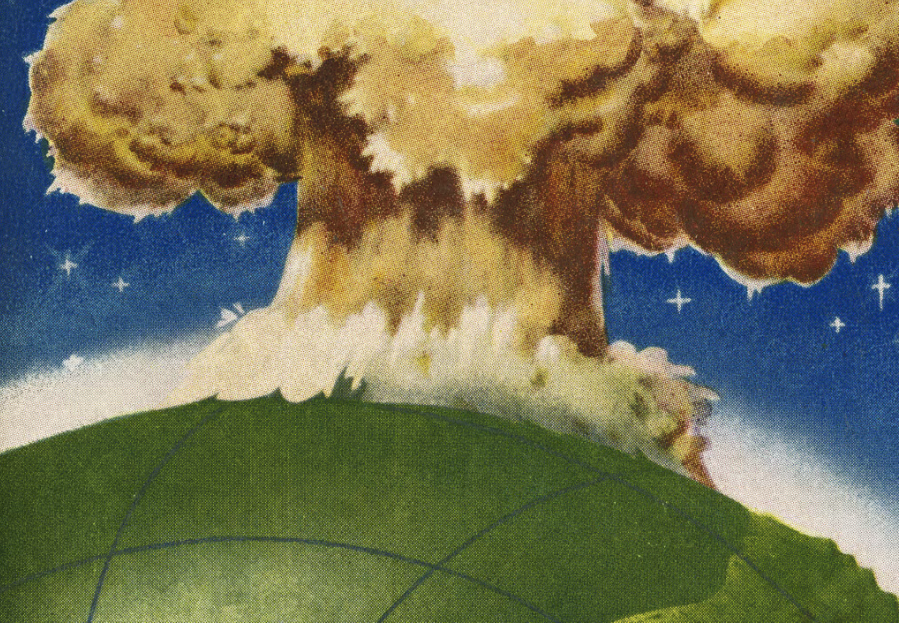
"That shot ended the war. I don't want to use the example of Hiroshima and Nagasaki, but it was the same thing..." That's what Trump said, applauding the "phenomenal job" done by his super bombs...
"That shot ended the war... I don't want to use the example of Hiroshima and Nagasaki, but it was the same thing..." That's what Trump said, applauding the "phenomenal job" his super bombs did against Iranian nuclear facilities.
The US president then released a message from the Israeli ambassador, praising him as God’s chosen one, comparing him to President Truman in 1945. By the end of that year, Japan had lost approximately 140,000 lives; tens of thousands more were added due to the long-term effects of an atomic bombing for which the Japanese never received an apology.
From the Ukrainian battlefields, where mobilization and the corresponding accumulation of corpses continue, to the genocidal destruction of Gaza, which offers the eye a post-atomic scenario, today's wars return us to the dimension of mass and large numbers.
The nine nuclear-armed states are spending billions of dollars to modernize and expand their arsenals. In Ukraine, Russia has demonstrated its hypersonic missiles. Putin has repeatedly tried to convey the nuclear threat, raising concerns that if the war turns out badly, he could, despite Chinese warnings, break a taboo that has existed since 1945. A few days ago, in response to a veiled nuclear threat from former President Medvedev, Trump ordered two nuclear submarines to approach Russia. Medvedev responded with the following message: “Trump should not think that the archive of his past immoralities is only in the hands of the Mossad.”
As the Guardian writes, we are threatened by leaders who are "walking versions of the dark triad: narcissism, psychopathy and Machiavellianism; in a world threatened by climate change, nuclear weapons, artificial intelligence and killer robots."
Global defense spending is projected to reach $2.46 trillion in 2024, a 7.4% increase in real terms, well above the 6.5% and 3.5% increases already recorded in 2023 and 2022. Incidentally, China’s military budget is also expected to grow by 7.4%, while Europe’s military budget is projected to grow by 11.7% (peaking at 23.2% in Germany) and Russia’s by 41.9%. These are estimates from the London-based IISS, which casts serious doubts on the economic, social and climate sustainability of this trend.
A e mban mend ndokush Presidentin Obama duke folur në Pragë në vitin 2009 për një botë pa armë bërthamore?
Logjika paradoksale që mbështeti Luftën e Ftohtë, sipas së cilës të qenit gati për të lëshuar apokalipsin bërthamor shërben për ta parandaluar atë, dukej si një kujtim i zbehur. Në vend të kësaj, kemi qenë dëshmitarë të përkeqësimit, madje edhe të shembjes, të mekanizmave të kontrollit të armëve. Jemi kthyer të flasim për luftën bërthamore.
New START, traktati i fundit që kufizon armët bërthamore, skadon shkurtin e ardhshëm, pa asnjë zëvendësim në horizont: SHBA-ja dhe Rusia nuk do të jenë më të detyruara nga limiti prej 1550 kokash bërthamore strategjike, ndërsa zhvillimet teknologjike (komunikimet, satelitët, lëshuesit hipersonikë) dhe rëndësia bërthamore e Kinës (që synon drejt një mijë kokave bërthamore) po destabilizojnë llogaritjet e parandalimit.
Në Shtetet e Bashkuara, ka debat mbi koston joproporcionale të mburojave raketore dhe dobinë e aftësisë bërthamore tokësore. Siloset e lëshimit për raketat ndërkontinentale, duke qenë të njohura mirë, bëhen një objektiv prioritar. Përballë një sulmi hipersonik, presidenti do të kishte vetëm disa minuta për të vendosur nëse do t'i përdorte raketat e tij për t'iu përgjigjur apo do të rrezikonte t'i humbiste ato. Rezultati është një rrezik më i madh i llogaritjeve të gabuara dhe përshkallëzimit.
Rajoni Indo-Paqësor, në të cilin po përqendrohet Sekretari i Mbrojtjes i SHBA-së, ofron skenarë për luftë me Kinën, të përshkuar nga anije dhe të mbushur me baza ajrore në ishuj të vegjël. Disa besojnë se një "luftë bërthamore e zhvilluar" me armë bërthamore me rendiment të ulët është e mundur këtu. Por kjo nuk është vetëm spekulim. Bombarduesit strategjikë rusë, të mbajtur të ekspozuar në përputhje me traktatet, tashmë janë arritur dhe goditur nga dronë ukrainas.
Përplasjet e fundit midis Pakistanit dhe Indisë kanë ngritur frikën e një përshkallëzimi në shkallë të plotë (nga terrorizmi te armët bërthamore) në një rajon të dendur të populluar. Në Evropën e fuqive bërthamore si Franca dhe Britania, debati po zhvendoset në autonominë strategjike dhe ombrellën bërthamore. Për ta thënë troç: nëse Ukraina humbet luftën, me konvergjencat midis Moskës dhe Uashingtonit dhe rritjen e mëtejshme të së drejtës sovraniste, problemet me të cilat do të duhet të përballet Evropa do të jenë shumë serioze, madje edhe në frontin bërthamor.
Trump shprehu dëshirën e tij për të përgjysmuar shpenzimet ushtarake përmes bisedimeve me Kinën dhe Rusinë, por ky ishte një gabim: as Pekini dhe as Moska nuk e morën seriozisht ofertën, ndërsa establishmenti republikan beson se ka nevojë për më shumë armë bërthamore dhe në përputhje me rishikimin e qëndrimit që Trump mbështeti në vitin 2018 për më shumë fleksibilitet në adresimin e skenarëve rajonalë.
Even on a civilian level, we are in the midst of a nuclear renaissance, which the industry presents as driven by the push towards zero carbon emissions, projecting it towards the global South, as demonstrated by announced investments in Paraguay and Uganda.
Eighty years after the atomic bombings of Hiroshima and Nagasaki, the International Red Cross declares that nuclear weapons must never be used again and must be eliminated before history repeats itself. Few people are talking about arms control and many are taking aim at the Red Cross. / Adapted from Il Manifesto /




Lini një Përgjigje