


 Shkruar nga Pamfleti
Hundreds of militants have traveled to Ukraine to fight for Russia in the belief that they will be helped to regain territories, such as Kosovo.
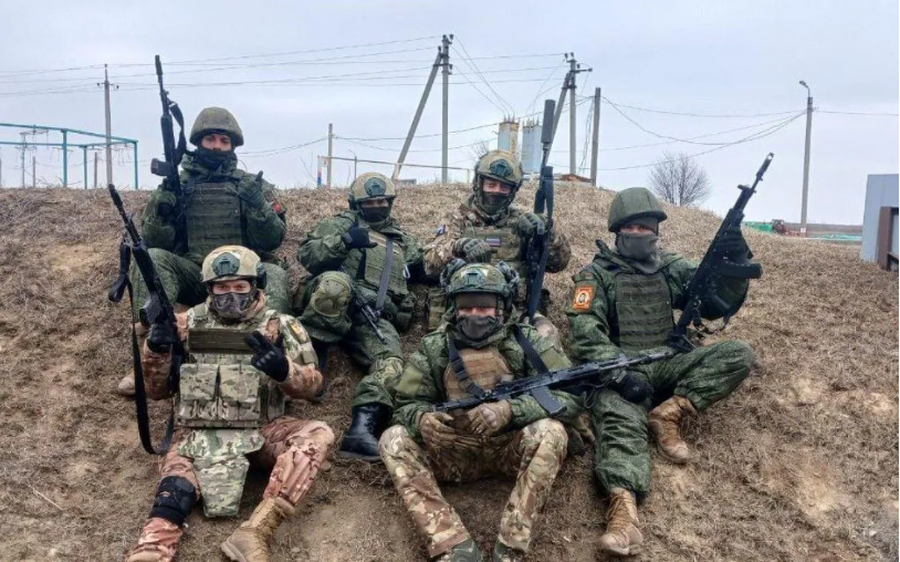
A new generation of ethnic Serb nationalists is preparing for a new armed conflict in Bosnia, The Telegraph warns in a long-running investigation, raising the alarm about the risk of destabilizing the region 30 years after the end of the bloody Bosnian war.
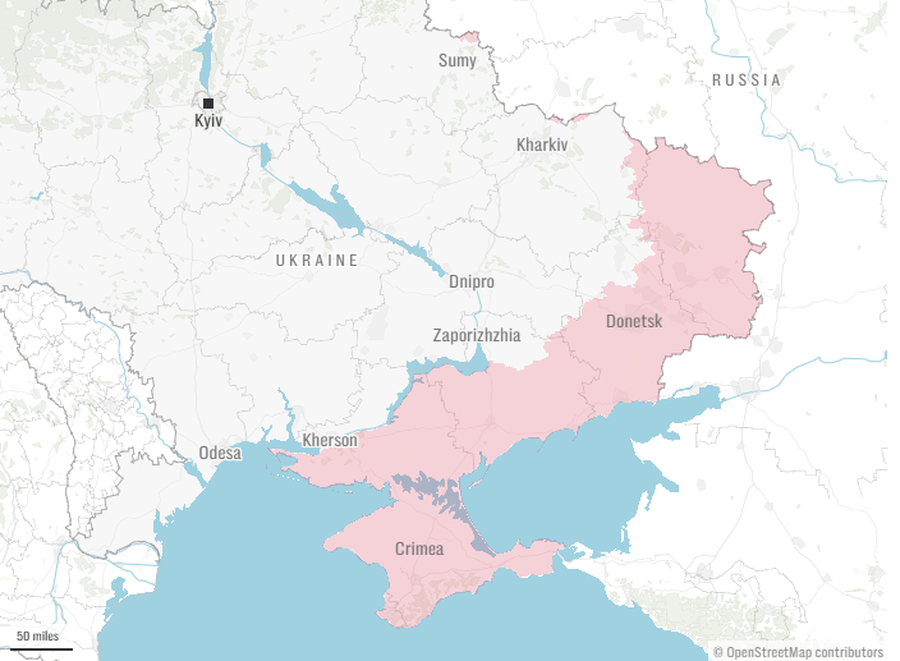
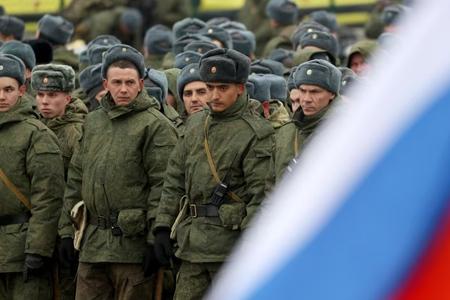
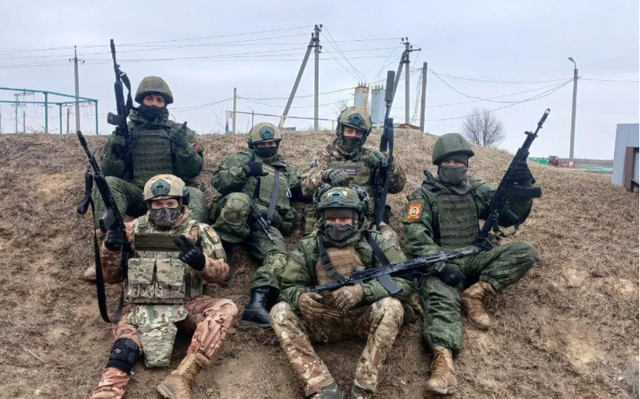
According to the British newspaper, hundreds of Serbian militants have traveled to Ukraine to fight alongside Russian forces, convinced that "Mother Russia" will reward them in the future by helping them regain territories they consider lost, such as Kosovo. Among them are veterans of the Bosnian war, who are using social media to recruit young Serbs, promising them payments of up to 23 thousand pounds to join the fighting in Ukraine.
The main fear of authorities and analysts is that, upon returning to Bosnia, these fighters could incite paramilitary conflicts and revive ethnic tensions in a still fragile region.
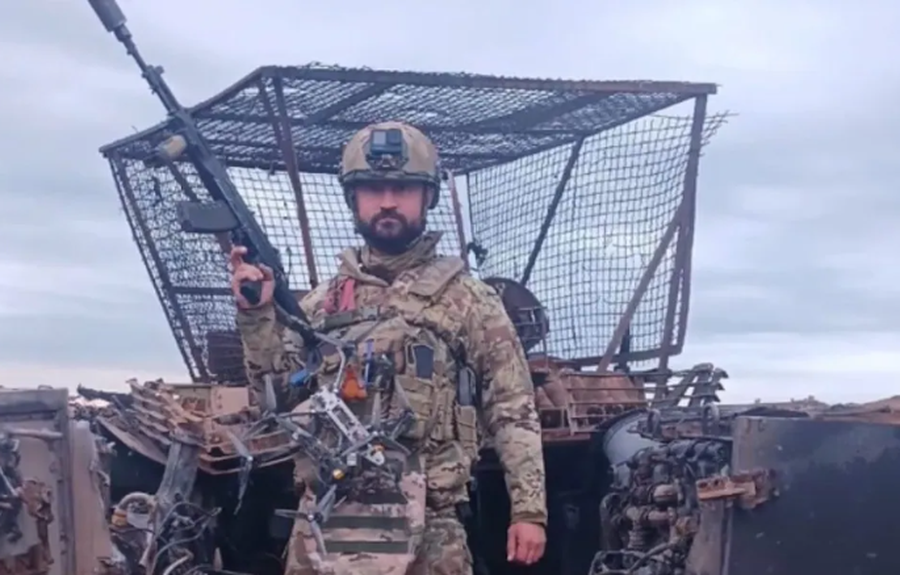
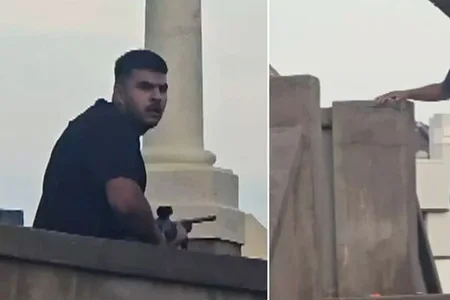
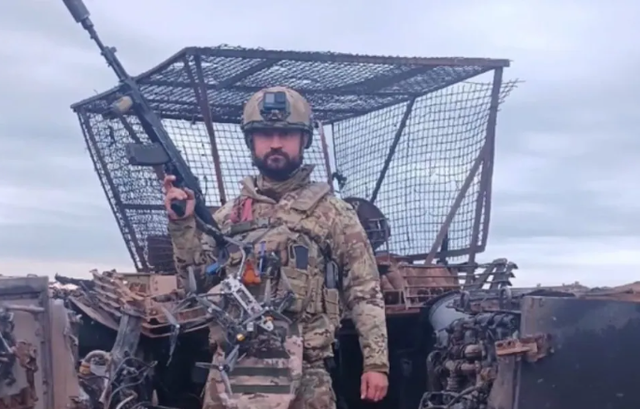
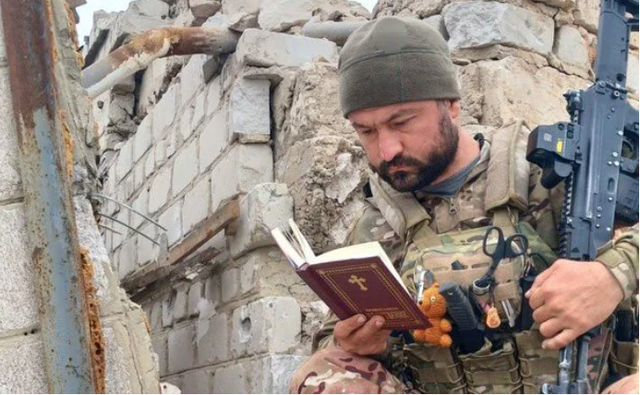
One of the cases mentioned by The Telegraph is that of Dario Ristic, a Serbian nationalist who was seriously injured in Ukraine, where he fought in a Russian unit known as the “Perm Bear.” Known at the front by the ironic nickname “Speedy,” Ristic participated in sniper and drone attacks in towns like Avdiivka, while on social media, including TikTok and Vkontakte, he promoted the war and nationalist messages to young Serbians in the Balkans.
Upon his return to Bosnia, Ristic was arrested at Sarajevo airport for participating in a foreign paramilitary formation, but was later released and is currently under house arrest pending the conclusion of his trial. Despite this, he remains an influential figure, with over 10,000 online followers, and is considered a serious threat to new recruits.
The Telegraph points out that this movement is mainly supported by a core of Bosnian war veterans, who continue to feed divisive ideologies to younger generations.
Analyst Srecko Latal tells the newspaper that these extremists believe that Russia will “repay its debt in blood” by helping to realize the “Greater Serbia” project. Although their numbers are small, their influence can be destabilizing. “It doesn’t take many armed individuals to endanger peace,” he warns.
Në qendër të kësaj rrjete qëndron edhe Davor Savicic, i njohur si “Ujku”, një ish-anëtar i njësisë famëkeqe paramilitare “Tigrat e Arkanit”, përgjegjëse për krime të rënda gjatë luftërave të viteve ’90. Savicic ka luftuar në Krime, Siri dhe ka qenë pjesë e grupit Wagner. Sipas dokumenteve mjekësore të rrjedhura, ai rezulton gjithashtu kolonel i GRU-së ruse, shërbimit famëkeq të inteligjencës ushtarake.
Nën drejtimin e tij, thuhet se janë krijuar kompani guackë për të ndihmuar rekrutët të shmangin autoritetet në vendet e tyre, duke siguruar leje pune dhe itinerare udhëtimi përmes vendeve të treta. Një gazetar investigativ nga Sarajeva, i cituar nga The Telegraph, tregon se pagesat për luftëtarët janë rritur ndjeshëm, për shkak të humbjeve të Rusisë në front.
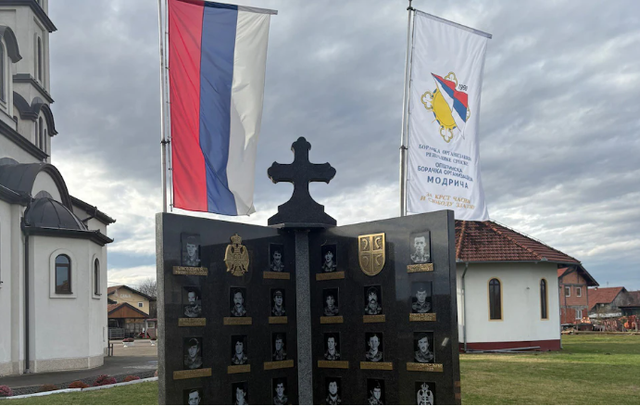
Situata është veçanërisht shqetësuese në zona si Modrica, ku papunësia është e lartë dhe pagat mujore arrijnë vetëm rreth 500 paund. Në këto kushte, ofertat financiare dhe propaganda nacionaliste gjejnë terren të favorshëm, ndonëse ligjet në Serbi dhe Bosnje e ndalojnë pjesëmarrjen në luftëra të huaja, me dënime deri në pesë vite burg dënime që, sipas gazetës, rrallë zbatohen.
Raporti ngre gjithashtu dyshime për bashkëpunim shtetëror, duke përmendur fotografi të Milorad Dodikut, liderit të fuqishëm të Republika Srpska, me Davor Savicic, përpara një takimi me presidentin rus Vladimir Putin në Moskë.
Sipas The Telegraph, ka frikë se kjo infrastrukturë paramilitare dhe trajnimi i luftëtarëve në enklavën e mbështetur nga Rusia mund të ketë pasoja edhe për sigurinë evropiane dhe britanike. Dëshmi nga gjyqe të fundit në Moldavi sugjerojnë se Republika Srpska është përdorur si bazë trajnimi për luftë hibride, përfshirë sabotime, përdorim dronësh dhe shndërrimin e protestave paqësore në trazira të dhunshme.
Për komunitetin mysliman boshnjak, kthimi i këtyre luftëtarëve ringjall plagë të vjetra. Banorë që kanë përjetuar masakrat e viteve ’90 shprehen se, pavarësisht përpjekjeve për pajtim, ekziston ende një pakicë ekstremistësh që kërkojnë të rikthejnë frikën dhe dhunën. “Ne refuzojmë të jetojmë sërish në frikë”, citohet të ketë thënë një dëshmitar i luftës për The Telegraph.
Shqetësuese është se duket se ka shenja të bashkëfajësisë shtetërore. Milorad Dodik, ish-presidenti i Republikës Srpska, i cili ende ushtron pushtet efektiv, u fotografua me "Ujkun", Davor Savicic, përpara një takimi me Vladimir Putinin në Moskë në fillim të këtij viti.

There are also fears that paramilitary training in the Russian-backed enclave could affect British security. Just as East Germany was once a training ground for the IRA and the Red Army Faction, there are fears that Republika Srpska could follow a similar path. Witness statements from a trial against saboteurs in Moldova have revealed that it has recently been used as a training base for Russian-backed hybrid warfare against the West.
The training included methods for turning peaceful protests into violent riots and training in the use of unarmed and armed drones to disrupt civilian and military infrastructure. The same methods have already been used at airports and sensitive sites in the UK and across Europe, some of which also involved Moldovan saboteurs, possibly trained in the Serbian enclave./ Pamphlet


Pordhe kot si kjo nuk ka dale ndonje here. Muhabet sllavesh gjelle qensh.