


 Shkruar nga Pamfleti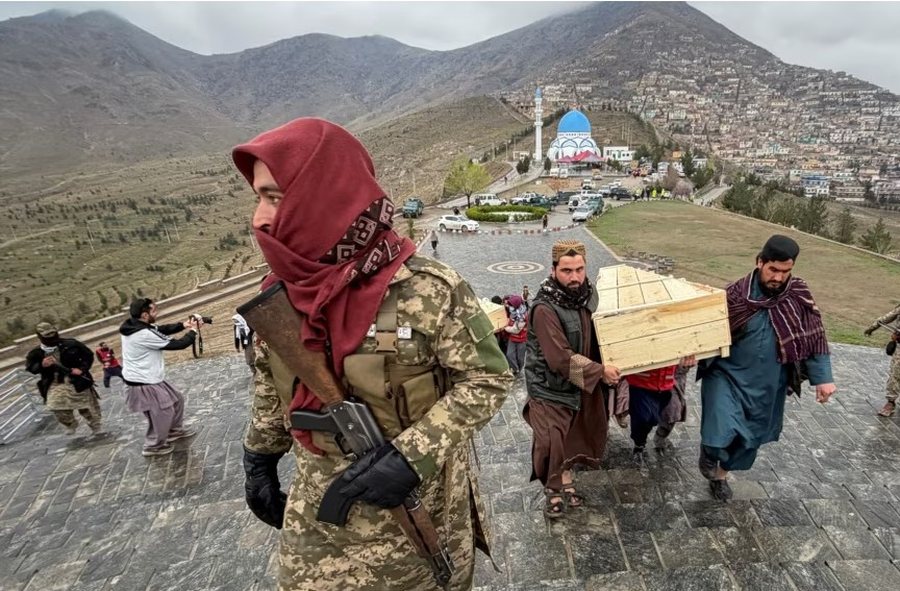
While United States President Donald Trump says the war in Iran could end "very soon" and Pakistani mediators are in Tehran to meet with officials, another conflict nearby has caught Beijing's attention.
Since late February, fighting between Afghanistan and Pakistan has escalated, after Islamabad declared "open war" against its neighbor.
Hundreds of people have been killed and hundreds of thousands displaced by the fighting, according to the United Nations Office for the Coordination of Humanitarian Affairs in Afghanistan. The conflict has alarmed the international community and worried China, which is a partner of both countries and sensitive to violence along its western borders.
For this reason, Beijing has stepped in to play a diplomatic role, announcing on April 8 that it had organized week-long talks in Urumqi, in western China, in the hope of brokering a ceasefire.
The issue is not just easing hostilities, but also a broader test of China's ability to manage instability on its periphery, where it has deep economic and political ties.
While all sides have publicly supported the dialogue, deep disagreements over militant groups and cross-border attacks risk undermining any real easing of tensions. Delegations from all three sides were quick to stress the value of the talks.
China's Foreign Ministry called them "sincere and pragmatic," while the Taliban called them "useful" and said they were held "in a constructive atmosphere."
But even as the talks were underway, Afghanistan accused Pakistan of bombing across its border, raising questions about whether China can end the conflict and how much diplomatic capital it is willing to invest in these discussions while also navigating the war in Iran.
"The Taliban and Pakistani diplomats know how to craft statements that make China look good and even bring limited relief measures to the border," Michael Semple, an Afghanistan expert at Queen's University Belfast, told REL.
"But reaching an agreement on the issue of Taliban support for the Tehrik-e Taliban Pakistan [TTP] is likely to remain difficult for the time being," he said.
Pakistan has long alleged that Taliban-run Afghanistan harbors fighters from the TTP, a militant group that carries out cross-border attacks.
The Afghan Taliban deny these allegations.
Testing Beijing's influence
Analysts believe that both Pakistan and the Taliban value China as a strategic partner.
Për Islamabadin, Pekini është kundërpeshë e vlefshme ndaj rivalit të tij kryesor, Indisë, si dhe burim i domosdoshëm investimesh të huaja.
Për talibanët, Kina është treg i madh e afërt që mund të ndihmojë ekonominë e tyre të dobët, si dhe partnere për ta ndihmuar Qeverinë të fitojë njohje të plotë ndërkombëtare pasi militantët morën pushtetin në vitin 2021.
Por, edhe pse Kina ka ndikim në letër, nuk është e qartë se sa trysni është e gatshme të ushtrojë.
Pekini zakonisht ka mbajtur rol më të tërhequr në ndërmjetësimin ndërkombëtar, duke i kufizuar përpjekjet e tij në situata që ka gjasa të japin rezultate të shpejta, siç ishte marrëveshja e vitit 2023 midis Iranit dhe Arabisë Saudite që rivendosi marrëdhëniet diplomatike mes dy rivalëve të Lindjes së Mesme.
Mes luftës në Iran, Pekini gjithashtu ka ruajtur kryesisht distancën në publik, duke mirëpritur delegacione të huaja dhe duke u përpjekur të paraqitet si arbitër i normave ndërkombëtare. Kjo bie ndesh me Shtetet e Bashkuara, si për shembull kur lideri kinez, Xi Jinping, e quajti bllokadën amerikane të porteve iraniane “rikthim në ligjin e xhunglës”, teksa priti Sheikh Khaled bin Mohamed bin Zayed Al Nahyan, princin e kurorës së Abu Dhabit, më 14 prill.
Megjithatë, disa raportime, përfshirë komentet nga vetë Trumpi, kanë sugjeruar se Kina ka përdorur pozicionin e saj si investitori kryesor dhe blerësi i madh i naftës nga Irani për të nxitur angazhimin në bisedime armëpushimi me Shtetet e Bashkuara dhe mbase për të çuar drejt përfundimit të luftimeve.
Zbutja e armiqësive midis Islamabadit dhe Kabulit nuk do të jetë e lehtë.
Para rikthimit të talibanëve në pushtet në gusht të vitit 2021, zyrtarët e qeverisë së rrëzuar të Afganistanit po ashtu akuzonin Islamabadin për mbështetje të talibanëve në territorin pakistanez, akuza që zyrtarët pakistanezë i mohonin në atë kohë.
Ka pasur pak deklarata zyrtare lidhur me bisedimet pasi ato përfunduan në Urumqi. Pakistani ka luajtur gjithashtu rol aktiv diplomatik si mikpritës i bisedimeve për armëpushim midis SHBA-së dhe Iranit.
Zëdhënësja e Ministrisë së Jashtme të Kinës, Mao Ning, tha gjatë një konference të përditshme për shtyp pas përfundimit të bisedimeve se “që të tre palët ranë dakord të shqyrtojnë një zgjidhje gjithëpërfshirëse për çështjet në marrëdhëniet midis Afganistanit dhe Pakistanit, dhe sqaruan çështjet kryesore dhe prioritare që duhet të adresohen”.
Omar Samad, ish-diplomat afgan që tani jeton në Shtetet e Bashkuara, thotë se bisedimet e mbështetura nga Kina krijuan një moment të ri, por ende ekziston një hendek i madh midis retorikës dhe realitetit në terren.
“Bisedimet kapën një rrugë sado pak, por hapje të tilla priren të mbyllen shpejt kur përballen me mosbesim të rrënjosur”, tha ai për REL-in, duke shtuar se Kina dhe ndërmjetësuesit e tjerë duhet të mbajnë një angazhim afatgjatë për të adresuar çështjet strukturore që janë “të ndërlikuara, por jo të pazgjidhshme”.
Nga aleatë në armiq
While the Taliban government was initially expected to retain Pakistan's support after taking power, relations have deteriorated between the former allies, largely due to the TTP issue.
Tensions reached a peak in October 2025 during a week-long official visit by the Taliban Foreign Minister, Amir Khan Muttaqi, to India.
On October 9, the first day of Muttaq's visit, Islamabad launched airstrikes in several Afghan provinces, including the capital Kabul.
Some initial reports suggested that the attack in Kabul targeted TTP leader Noor Wali Mehsud, although he later released a video to prove he was alive. Following the attacks, Taliban forces launched counterattacks along the border, claiming to have killed dozens of Pakistani security forces. Islamabad denied these claims.
Defense ministers from both sides then traveled to Doha, the capital of Qatar, on October 18 for talks brokered by Turkey, where a temporary ceasefire was reached. Separate delegations met in Istanbul later that month for a follow-up meeting. This was followed by further mediation efforts by Saudi Arabia and the United Arab Emirates, but Islamabad and Kabul failed to reach a permanent agreement.
After a new escalation in February, a major Pakistani attack on March 16 hit the Omid Drug Rehabilitation Center at the former NATO base, Camp Phoenix, in eastern Kabul.
Taliban officials said more than 400 people were killed, while Islamabad insisted it had struck military installations.
The UN later said 143 people were killed. Human Rights Watch condemned the incident as an “unlawful attack and possible war crime.”
"The Taliban, for their part, appear to be ideologically committed to continuing jihad and thus unable to distance themselves from the TTP," Semple said.
"As long as the TTP campaign continues, there is every reason to expect an escalation of the conflict between the Taliban and Pakistan."/ REL



Lini një Përgjigje