


 Shkruar nga Peter Slezkine & Joshua Shifrinson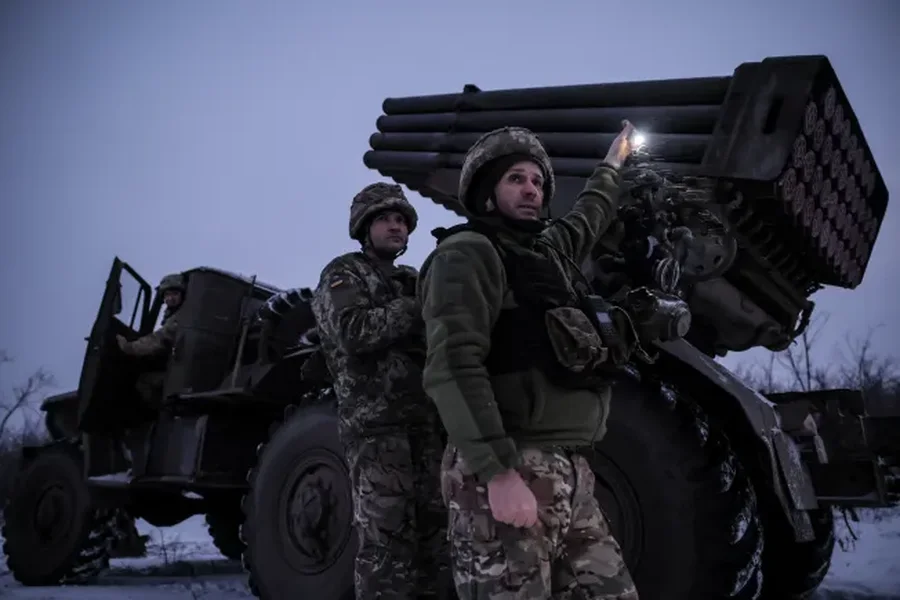
Formal recognition of the territorial reality could be the key to long-term stability. This process would require painful but necessary concessions to guarantee Ukraine's remaining sovereignty...
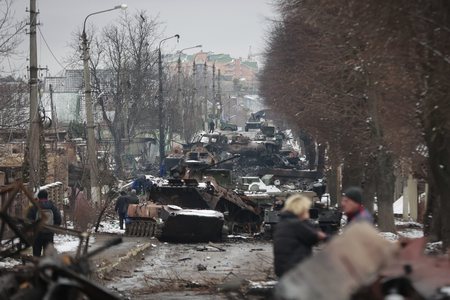
Over the past four years, since Russian President Vladimir Putin launched his “special military operation,” Ukraine and its supporters have formulated their objectives based on the language of territorial integrity.
During the first year of the war, Western officials called for the restoration of sovereignty over all territory, including Crimea and Donbas. This theory of victory collapsed after the failure of the Ukrainian counteroffensive in 2023.
Since then, President Volodymyr Zelensky and Western leaders have grudgingly acknowledged that Russia will retain de facto control over most of the occupied territory. However, they categorically refuse to recognize the changed borders de jure, or formal, recognition.
The refusal to formally recognize Russian control is based on the claim that territorial integrity is a pillar of the post-war order and that concessions would embolden aggressors. They argue that the negotiated surrender of territories is capitulation, while non-recognition preserves the possibility of their retake.
Each of these arguments is flawed. Reflexive opposition to de jure recognition ignores the ways in which formal acceptance of Russia's gains could enhance Ukraine's security, facilitate reconstruction, and contribute to international stability.
It is in the interests of Ukraine and the West to draw a new border that coincides with the final line of control. Such an agreement would require both Ukraine and Russia to adjust their constitutional claims.
While Ukraine would cede territory within its 1991 borders, Russia would have to accept a shorter official border than the territory it has unilaterally annexed. An agreement would allow for limited adjustments to the line of control and a time window for the free movement of residents.
Ideally, the new border would be recognized by Russia’s BRICS partners and Ukraine’s supporters. The assumption that the international order rests on a consistently enforced norm against territorial conquest does not withstand scrutiny of historical facts. Borders have been changing continuously since 1945. As Dan Altman documents, the rate of successful conquest was higher in the postwar era than in the 1930s.
Izraeli pushtoi Lartësitë e Golanit në vitin 1967; Vietnami i Veriut pushtoi Jugun; Indonezia aneksoi Timorin Lindor. Sistemi ndërkombëtar i përvetësoi këto ndryshime pa u shpërbërë, duke sugjeruar që norma e integritetit territorial është më shumë aspiruese sesa thelbësore.
Në rastin aktual, integriteti i Ukrainës është shkelur tashmë. Rusia ka aneksuar Krimenë, Luhanskun, Donetskun, Khersonin dhe Zaporizhzhjen. Ndonëse u tërhoq nga disa pjesë në vitin 2022, balanca e forcave ka ndryshuar në favor të Moskës.
Ndërsa lufta po zgjat pa një fund në horizont, Rusia ka më shumë gjasa të fitojë terren sesa ta humbasë atë. Mosnjohja nga Perëndimi nuk do ta përmbysë realitetin e humbjeve territoriale. Edhe një politikë zyrtare mosnjohjeje nuk do ta kufizonte sjelljen ruse.
Refuzimi për të njohur Krimenë nuk e ndaloi Putinin të pushtonte Ukrainën në vitin 2022. Veprimet ushtarake udhëhiqen nga kostot, aftësitë dhe interesat strategjike, jo nga precedenti ligjor. Përvoja e Rusisë - 4 vjet luftë që prodhon fitime më të ulëta se pritshmëritë - vështirë se ofron një model bindës për agresorët e tjerë.
Argumenti se njohja de jure përbën kapitullim lë pak hapësirë për fitore. Nëse lufta përcaktohet vetëm në terma territorialë, Ukraina ka humbur. Por prioriteti ishte ruajtja e pavarësisë dhe sovranitetit, dhe këtu Ukraina ka pasur sukses.
Ajo ka vendosur lidhje të ngushta me BE-në, duke përmbushur kërkesat e Euromaidanit. Një kufi i ri nuk i rrezikon këto arritje. Përkundrazi, Ukraina mund të ketë një shans më të mirë për integrim nëse heq dorë nga pretendimet ligjore për territorin që nuk kontrollon.
Së fundmi, aftësia e Ukrainës për të rimarrë territorin e vitit 1991 nuk varet nga ligjshmëria e kufirit aktual. Një rinegocim është gjithmonë i mundur nëse ndryshon shpërndarja e pushtetit. Perëndimi refuzoi të njihte aneksimin e shteteve baltike për 50 vjet, por kjo politikë nuk dha rezultate deri në rënien e Bashkimit Sovjetik.
Pengesa kryesore për Ukrainën është fuqia ushtarake e Rusisë, dhe jo politika e njohjes në Kiev. Mosmarrëveshjet territoriale kanë një probabilitet të lartë për t’u përshkallëzuar në konflikte të armatosura. Anasjelltas, njohja de jure mund të ulë gjasat e luftërave të ardhshme.
Rendi paqësor në Evropë pas Luftës së Dytë Botërore filloi me ripërcaktim kufijsh. Në Azinë Qendrore, zgjidhja e konfliktit kufitar midis Kirgistanit dhe Uzbekistanit në vitin 2017 ka sjellë stabilitet dhe rritje ekonomike.
Njohja zyrtare e kufirit të ri ruso-ukrainas do të sillte përfitime të menjëhershme. Një vijë ndarëse e qartë do ta bënte më të thjeshtë përcaktimin e përgjegjësisë në rast të një agresioni të ri.
Kjo do të lehtësonte sanksionet e shpejta dhe ofrimin e mbështetjes ushtarake, duke forcuar parandalimin. Po ashtu, një kufi i njohur reciprokisht mund të mundësojë tërheqjen e trupave, duke reduktuar mundësinë e përshkallëzimit të paqëllimshëm.
Beyond security, an internationally recognized border facilitates Ukraine’s integration into Western structures. EU accession would be difficult if the eastern border remains undefined. Legal certainty on the borders would make Ukraine more attractive to private investment, essential for reconstruction. Meanwhile, ambiguity would lock the country into a high-risk environment.
It may be tempting to maintain the illusion of territorial integrity, but any agreement that maintains the discrepancy between legal claims and factual control will hinder reconstruction. After 4 years of war, the surest path to a lasting peace is an agreement where both sides recognize the reality on the ground and relinquish claims to territory they do not control.
Note: Peter Slezkine, Fellow and Director of the Russia Program at the Stimson Center. Joshua Shifrinson, Associate Professor at the School of Public Policy, University of Maryland, USA. / Adapted "Pamphlet" from "Foreign Affairs"


Lini një Përgjigje