


 Shkruar nga Pamfleti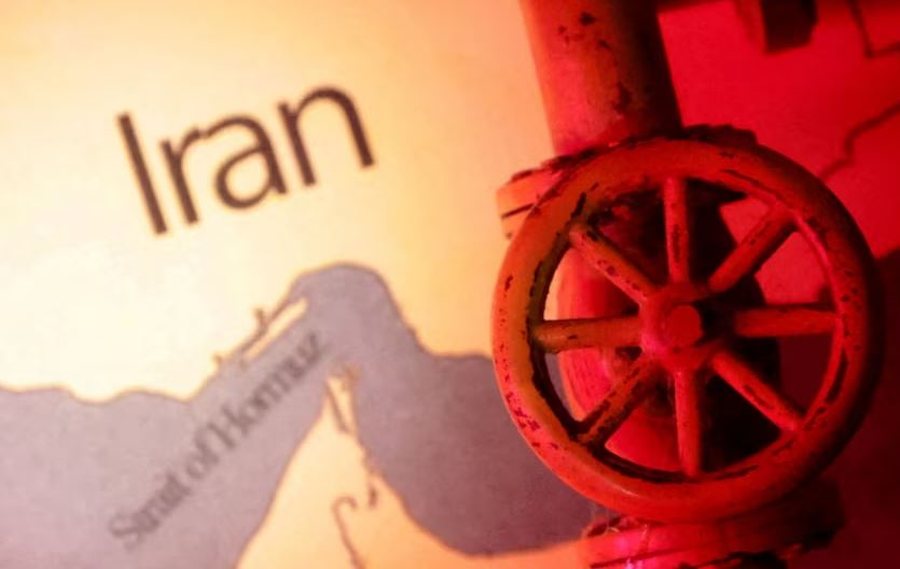
As the United States and Israel's war against Iran focuses on the Strait of Hormuz, the world's most vital energy transit point, the economic consequences of a major disruption to oil and gas supplies could spread across the globe.
About a fifth of global oil and liquefied natural gas (LNG) typically passes through this narrow waterway that connects the Persian Gulf to international markets.
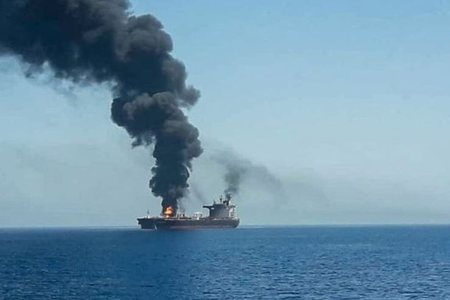
However, tanker traffic has slowed significantly due to security concerns, military threats and reports that Iran is laying mines and other asymmetric measures to cause damage to ships trying to use the strait.
The market reaction is already clear: the price of oil rose to $120 per barrel before falling slightly, while aviation fuel prices remain about twice as high as they were in January.
For analysts, these fluctuations raise a fundamental question: Could Tehran use the global energy system as a strategic weapon, or can the United States and its partners prevent such a scenario?
The US military said on March 10 it destroyed 16 Iranian ships that were laying mines near the Strait of Hormuz.
But Iran remains capable of wreaking havoc in the waterway, with three merchant ships reportedly hit by explosions on March 11, according to the United Kingdom Maritime Trade Operations (UKMTO), a British maritime coordination center that monitors security threats to commercial shipping.
Markets react to risk, not supply
So far, analysts say the market appears to be pricing in uncertainty rather than actual supply disruptions.
"What we're seeing are minute-by-minute, hour-by-hour market reactions to the scale and duration of the conflict," said Mason Hamilton, vice president for economics and research at the American Petroleum Institute.
Before the crisis, oil markets were expecting a supply glut and mostly low prices. The sudden threat to the Strait of Hormuz, through which about 20 million barrels of oil and liquid petroleum products pass every day, overturned that outlook.
Experts at the Center for Strategic and International Studies (CSIS) point out that markets often react before physical shortages appear.
Kevin Book, an analyst at the research institute, said traders are bracing for the possibility that Gulf producers will be forced to halt production if exports are blocked.
Edhe luhatjet modeste të çmimeve kanë pasoja të mëdha financiare: një ndryshim prej 30 dollarësh për fuçi në një treg prej 100 milionë fuçish në ditë përfaqëson rreth 3 miliardë dollarë ndryshim në vlerë çdo ditë, pa përfshirë derivatet financiare.
Leva asimetrike e Iranit
Për Teheranin, shënjestrimi i rrjedhave globale të energjisë mund të jetë ndër opsionet e pakta strategjike që i kanë mbetur përballë kundërshtarëve shumë më të fuqishëm si Shtetet e Bashkuara.
“Synimi i Iranit është mbijetesa”, tha Khalid Azim, drejtor i MENA Futures Lab në Këshillin Atlantik. “Ai nuk mund të përballet drejtpërdrejt me SHBA-në apo Izraelin, prandaj mbështetet në taktika asimetrike për të rritur koston e konfliktit”.
Madje edhe ndërprerjet e vogla në Ngushticë mund të kenë ndikime të mëdha, duke pasur parasysh përqendrimin e tregtisë globale të energjisë në disa pika kyç detare.
Azim paralajmëroi se reagimet aktuale të tregut mund t’i nënvlerësojnë rreziqet, duke theksuar se tregjet financiare jashtë sektorit të energjisë kanë mbetur kryesisht të qeta.
“Ka rrezik shumë të madh asimetrik që tregu nuk po e përfshin plotësisht në çmime”, tha ai.
Llogaritjet e Uashingtonit: Trysni pa tronditje
Për Shtetet e Bashkuara, sfida është t’i baraspeshojë synimet ushtarake me domosdoshmërinë për të parandaluar ndonjë tronditje globale në tregun e energjisë.
Presidenti amerikan, Donald Trump, ka thënë se Uashingtoni është gati t’i shoqërojë cisternat nëpër Ngushticën e Hormuzit nëse është e nevojshme, megjithëse mediat, përfshirë Reutersin, kanë raportuar se marina amerikane deri tani i ka hedhur poshtë të gjitha kërkesat e industrisë së transportit për shoqërime ushtarake për shkak të rrezikut të lartë tani.
Ndërkohë, zyrtarët nga vendet e Grupit të Shtatë (G7) po diskutojnë gjithashtu mundësinë e lirimit të rezervave emergjente të naftës për të zbutur ndikimin në treg, në rast se rrjedha e energjisë ndërpritet për shkak të kësaj gjendjeje.
Richard Goldberg, ish-zyrtar i Këshillit të Sigurisë Kombëtare në administratën Trump, tha se strategjia amerikane kombinon mjete të tregut dhe masa ushtarake: garanci sigurimi për transportin detar, inkurajim të lëvizjes së cisternave dhe operacione shoqëruese detare nëse është e nevojshme. Aeroplanmbajtësit dhe sistemet e mbrojtjes raketore janë vendosur tashmë.
“Qëllimi është t’i tregojmë Iranit se ai nuk mund ta bllokojë rrjedhën globale të naftës pa u përballur me kundërmasa dërrmuese”, tha Goldberg në një aktivitet të Këshillin Atlantik më 10 mars.
Ai theksoi se përpjekjet synojnë ta zbusin ndërprerjen, jo ta zëvendësojnë për kohë të pacaktuar një korridor të madh furnizimi.
Edhe nëse prodhimi vazhdon, kriza zbulon brishtësinë e logjistikës së energjisë.
“Ka dy shtresa rreziku: infrastruktura që prodhon fuçitë dhe rrjedha e atyre fuçive”, tha Sara Vakhshouri, presidente e SVB Energy International.
Refineries have been shut down as a precaution, storage tanks are filling up and some producers have already cut production as exports slow.
Shipping companies face their own dilemma: Insurance alone may not be enough to convince crews to sail into a war zone. Prolonged delays could force Gulf producers to halt millions of barrels of output, increasing market volatility.
The Strait of Hormuz also channels about 20 percent of global LNG, meaning disruptions could spread to the supply chains for electricity, petrochemicals and fertilizers.
Asia, as the largest importer of oil from the Gulf, is particularly exposed. Europe, dependent on LNG and refined products, faces vulnerability at a time when gas reserves are low after winter.
Resuming plant operations after closures could take weeks or months.
"These are complex industrial systems designed to operate continuously," Hamilton emphasized.
The crisis is also unfolding amid a broader shift in U.S. energy strategy. The United States, now the world’s largest oil and gas producer, increasingly treats energy supplies as a strategic asset, giving policymakers leverage to pursue security objectives while protecting domestic markets.
Time will decide everything.
The severity of the crisis depends on how long the outages last. A short outage can be absorbed, but a prolonged one, according to analysts in Washington, could keep oil prices above $100 a barrel, fuel inflation, slow economic growth or even trigger a recession in the most vulnerable economies.
CSIS experts emphasize that although reserves, alternate routes, and emergency reserves provide cushion, they are designed for short-term disruptions, not for a prolonged closure of the Strait of Hormuz.
The ongoing conflict is a test of the sustainability of the global energy system. Continued Iranian pressure could prolong instability, while effective measures by the US and its allies could show the limits of using energy as a tool of coercion.
For now, the main question remains: Will the Strait of Hormuz remain open or will it become the epicenter of a new energy war?/REL



Lini një Përgjigje