


 Shkruar nga Pamfleti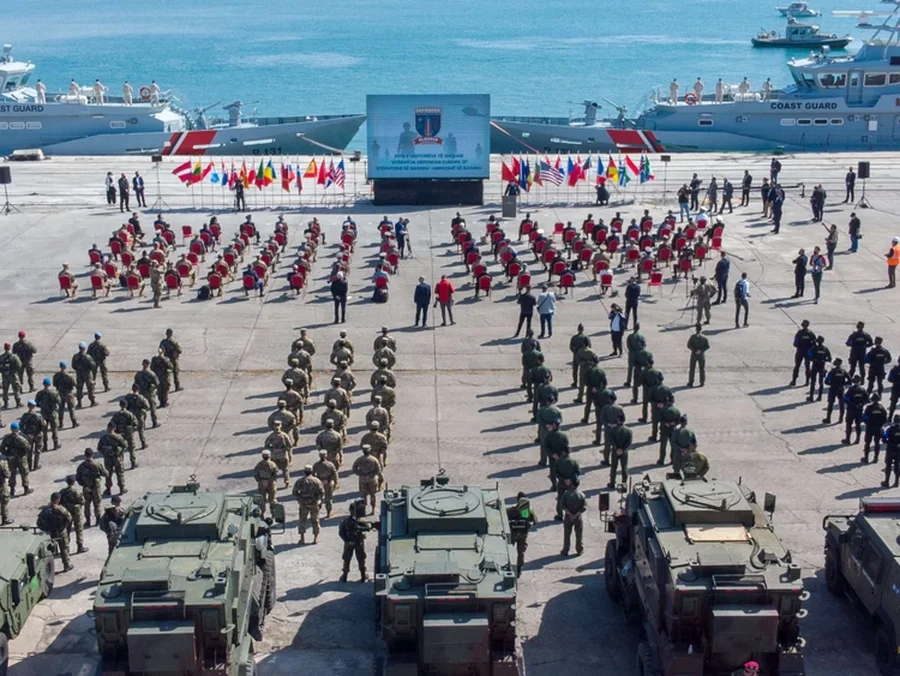
NATO plans to raise 41,000 troops next year to test readiness to repel a Russian invasion...
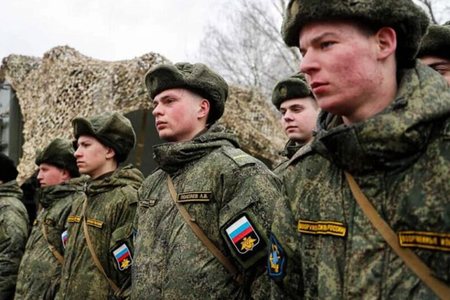
NATO is preparing next year for its biggest live command exercise since the Cold War, bringing together more than 40,000 troops to practice how the alliance will try to repel Russian aggression against one of its members.
The Steadfast Defender exercise comes as part of NATO's rapid push to transform the way the alliance responds to a crisis sparked by the invasion of Ukraine.
NATO officials said the exercise will begin next spring and is expected to involve between 500 and 700 air combat missions, more than 50 ships and about 41,000 troops.
It is designed to model possible maneuvers against an enemy modeled after a Russian-led coalition, called Occasus for training purposes.
The exercise is also a first in terms of technical capabilities, using real-world geographic data to create more realistic scenarios for troops.
Sweden, whose bid for NATO has yet to be ratified by Turkey and Hungary, will also be included, bringing the total number of countries involved to 32.
The exercise will take place across Germany, Poland and the Baltic states in February and March and is part of a new training strategy that will see the military alliance conduct two major exercises each year, instead of one. NATO will also train to combat terrorist threats outside its immediate borders.
NATO Secretary General Jens Stoltenberg said in June last year that the alliance would increase the number of its high readiness forces from 40,000 to "over 300,000". It is part of a historic overhaul to shift the alliance towards heavy military capabilities as opposed to light, mobile forces deployed in the Balkans and Afghanistan.
Following that declaration, NATO leaders agreed at a summit in the Lithuanian capital Vilnius in July on new regional defense plans and the creation of the so-called Allied Response Force, a multinational force capable of rapidly responding to threats.
The Baltic states have been particularly vocal in calling for NATO to strengthen its eastern flank as troops have massed on the border with Belarus. Russian President Vladimir Putin said nuclear weapons would be moved to Belarus in early July, although their presence is unconfirmed.
NATO has positioned multinational battalions in the Baltic states to slow the advance of any aggressor in the event of an invasion. Germany said in June it would keep 4,000 troops in Lithuania permanently.
The exercises are also seen as a key part of demonstrating to Moscow that the alliance is prepared to fight, NATO officials said. /Adapted "Pamphlet" from "Financial Times"


Lini një Përgjigje