


 Shkruar nga Christian Schwarz-Schilling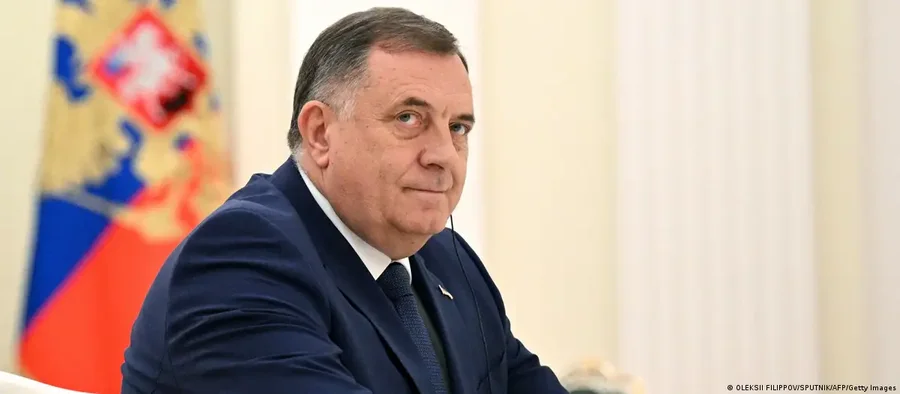
Bosnian Serb leader Milorad Dodik is increasingly endangering peace in Bosnia-Herzegovina, writes our guest author Christian Schwarz-Schilling.
On 1 July, the High Representative for Bosnia and Herzegovina, Christian Schmidt, again used his powers to annul two unconstitutional laws of the Parliament of Republika Srpska and strengthen Bosnia and Herzegovina's penal code.
The Parliament of Republika Srpska, one of the two entities of Bosnia-Herzegovina, which is inhabited mainly by Serbs, had previously passed a law suspending the implementation of all decisions of the Constitutional Court of Bosnia-Herzegovina in the RS. The bill was proposed by Milorad Dodik, the president of RS, who has excellent ties to Russian President Vladimir Putin and Hungarian Prime Minister Viktor Orban.
This law is the most serious violation of the Constitution of Bosnia-Herzegovina and the Dayton Peace Agreement since the end of the war in 1995 and thus has caused great unrest. Not surprisingly, the international community - the US State Department, the EU, NATO and the Office of the High Representative (OHR) - reacted immediately and warned of countermeasures.
No more war, terror and cruel acts
The first move came from Christian Schmidt, who is responsible for overseeing the Dayton Peace Agreement, which ended the horrific war in Bosnia. On July 1, Schmidt overturned two laws passed by Republika Srpska's parliament and amended the criminal code in Bosnia and Herzegovina so that anyone who attacks the state's constitutional order faces up to five years in prison. The same punishment would be given to those who do not respect the decisions of the High Representative. This gives the public prosecutor's office of Bosnia and Herzegovina a strong legal basis to prosecute both Dodik and other criminals. But whether it will be implemented is another question.
In his extraordinary speech to the press, Schmidt made it clear that the actions of Dodik and the Parliament of Republika Srpska are a direct violation of the constitutional order of Bosnia and Herzegovina and the Dayton Peace Agreement. He recalled that the mandate of the peace agreement is to ensure that the war, terror and atrocities experienced by the population in Srebrenica and during the siege of Sarajevo never happen again. Christian Schmidt called on the international community to impose new sanctions against anyone who deliberately undermines Bosnia and Herzegovina's constitutional order.
Accomplishing the goals of the previous war
Dodik not only ignored Schmidt's decision, but instead, on July 2, in a confusing speech, he declared that the Republika Srpska would no longer recognize the Court of Justice, the Public Prosecutor's Office and the State Investigation and Protection Agency (SIPA) of Bosnia-Herzegovina and that he, Dodik, can call a referendum on the status of Republika Srpska, if the pressure on him increases. In addition, he said he would like to strengthen the border between Republika Srpska and the Federation.
Në fjalimin e tij, Dodik gjithashtu u përpoq të fuste në lojë Serbinë dhe presidentin e saj Aleksandar Vuçiq si dhe konfliktin me Kosovën. Kjo nuk është për t'u habitur. Nuk është sekret se tani është një luftë për pushtet midis dy presidentëve – dhe përfundimisht se kush duhet të udhëheqë të gjithë kombin serb në të ardhmen. Dodik tha se "vendimet e Schmidt përfaqësojnë një sulm të sinkronizuar ndaj Republika Srpska, Serbisë dhe Aleksandar Vučić dhe meje." Ai përsëriti se "beson në bashkimin me Serbinë," që në fakt do të thotë përmbushje e qëllimeve të luftës së Serbisë së Madhe të ish-Presidentit serb Slobodan Milosheviq.
Sanksione konsenkuente
Presidenti Vučić deri tani është treguar i përmbajtur në deklarata, duke vënë në dukje vetëm se është shumë i shqetësuar për ngjarjet në Republikën Serbe dhe se ka frikë se komuniteti ndërkombëtar ka vendosur të marrë një qasje shumë të ashpër.
Ekonomistja Jelena Trivic, një e preferuara politike e Presidentit Vuçiç, e cila në tetor 2022, kandidoi si riveale e Dodikut dhe në rrethana shumë të dyshimta, i humbi zgjedhjet presidenciale në Republikën Srpska, komentoi për kanalin e pavarur televiziv Face TV-Sarajevo: "Unë nuk jam për atë, që ne si komb dhe si Republika Srpska të bëhemi viktima të një individi të papërgjegjshëm, në një aksion që quhet: 'Si t'i shpëtoj miliardat e mia?' Kjo është ajo që po bën Dodik." Ajo paralajmëroi se "Dodik kërcënon të gjithë RS-në dhe njerëzit që për shkak të vendimeve të tij irracionale do të bëhen mish për top."
Tani bashkësia ndërkombëtare duhet të veprojë. Nuk duhet të bëjmë të njëjtat gabime si asokohe, kur une isha Përfaqësues i Lartë, kur Shtetet e Bashkuara më penguan që të ndërmerrja veprime për t’i treguar vendin Dodik. Sot, komuniteti ndërkombëtar ka shumë mundësi për të sanksionuar Dodik. Vetëm se sanksionet duhen zbatuar në mënyrë konsekuente.
Duhet vepruar me mençuri dhe vendosmëri
Nuk duhet humbur kurrë nga sytë fakti se Dodik është në fakt krahu i zgjatur i Putinit në Ballkanin Perëndimor. Ai e ka përsëritur vazhdimisht se do të shkojë deri në fund, sepse nuk ka zgjidhje tjetër. Kjo fjali në veçanti duhet të na shkundë të gjithëve, sepse Dodik nuk ka çfarë të humbasë. Kjo e bën atë shumë të rrezikshëm.
Bashkohem me zërat e disa intelektualëve të njohur boshnjakë që shkruajnë në një artikull në portalin Bosnja e Lirë: "Përgjigja ndaj këtij grusht-shteti të ngadalshëm që po bën Dodik duhet të jetë konfrontim, e jo kompromise dhe lëshime. Vendosja e forcave policore, forcave të misionit Althea të EUFOR-it ose vendosja e forcave të "Over the horizon" te NATO-s do të duhej të shqyrtohej urgjentisht, fillimisht duke vendosur forcat e ndërhyrjes në pikën më të rëndësishme gjeostrategjike, në qarkun Brcko. Dodik nuk do të ndalet derisa ta ndalin."
Duhet vepruar me shumë mençuri dhe me shumë vullnet tani. Komuniteti ndërkombëtar nuk duhet të përsërisë gabimet e viteve 1990. Dodik nuk duhet të fillojë një luftë të re.
Prof. Dr. Christian Schwarz-Schilling was High Representative and Special Representative of the EU in Bosnia and Herzegovina in 2006/07. From 1982 to 1992, the CDU politician was Federal Minister of Posts and Telecommunications. He resigned in protest against the attitude of the then German government towards the Bosnian war./DW



Lini një Përgjigje