


 Shkruar nga Corriere della Sera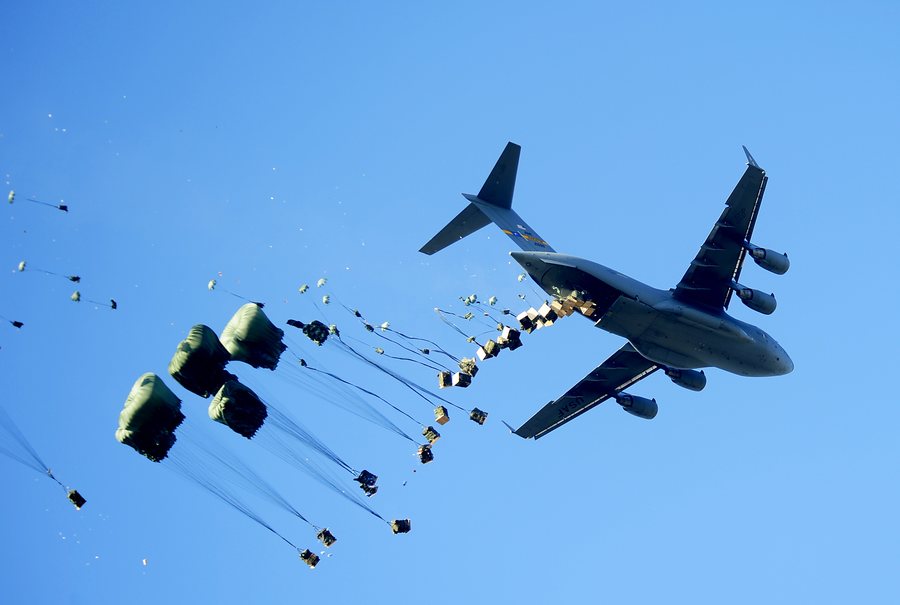
Question mark over US method of airdropping food...
The US has returned to old methods to help innocent citizens in Gaza.
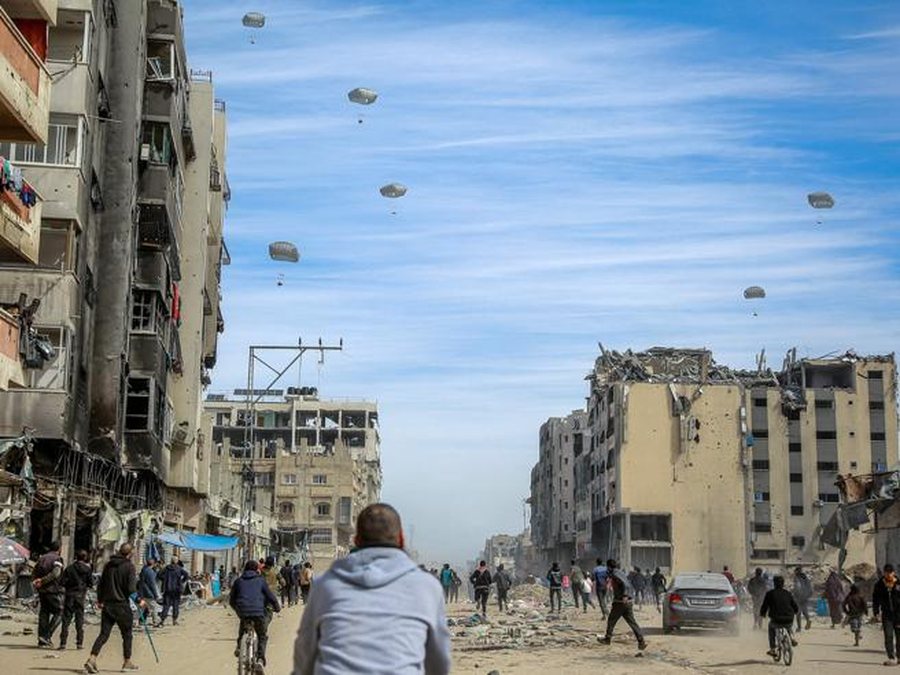
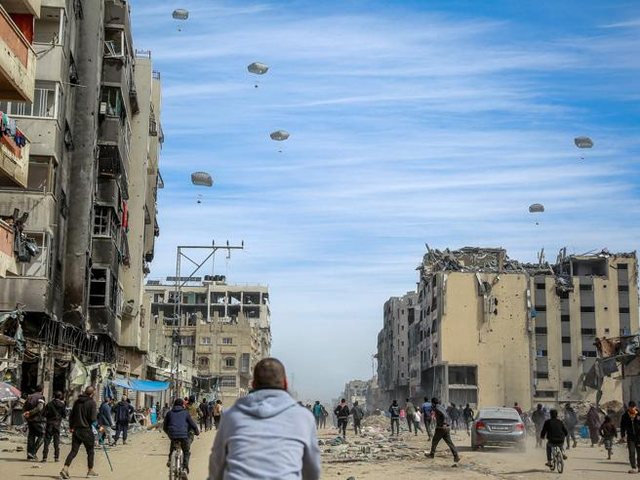
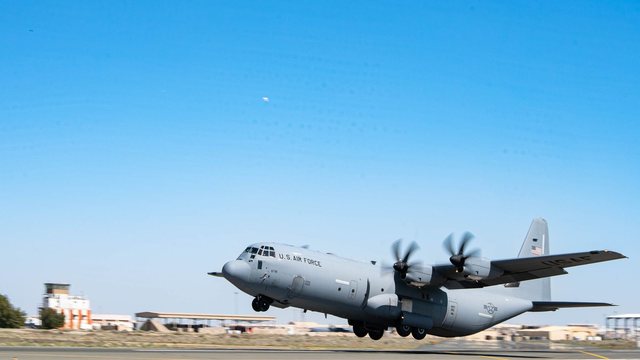
Three American C-130 planes airdropped 66 packages with over 38,000 ready meals for the Palestinian population. So the US joins what Egypt, Jordan, the United Arab Emirates and France have been doing for days. But these humanitarian operations, according to experts, are expensive, complicated and less effective than land transport by trucks. Not only that. This method also risks igniting clashes among desperate people if the distribution of meals is not planned in detail.
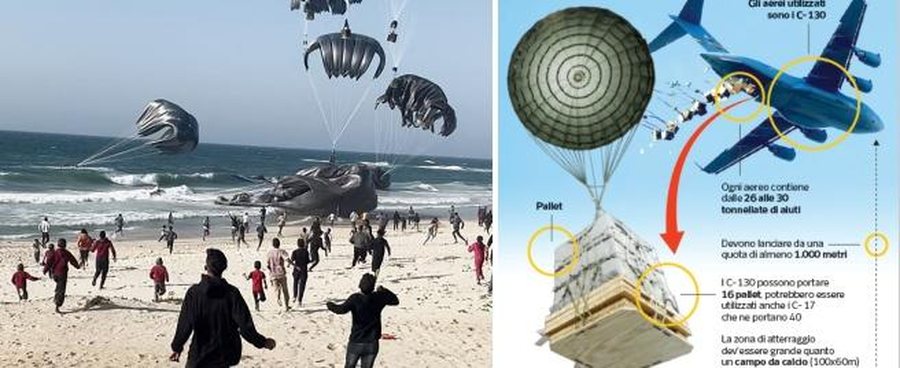
The United Nations World Food Program says: "Airdrops are an extreme method of distribution and can only be adopted when all other options fail." Just for comparison: on average, a military aircraft can carry the equivalent of two trucks' worth of food and basic necessities. And the cost of air transportation ranges from 1,300 to 1,500 dollars per ton, 7-10 times higher than that by road.
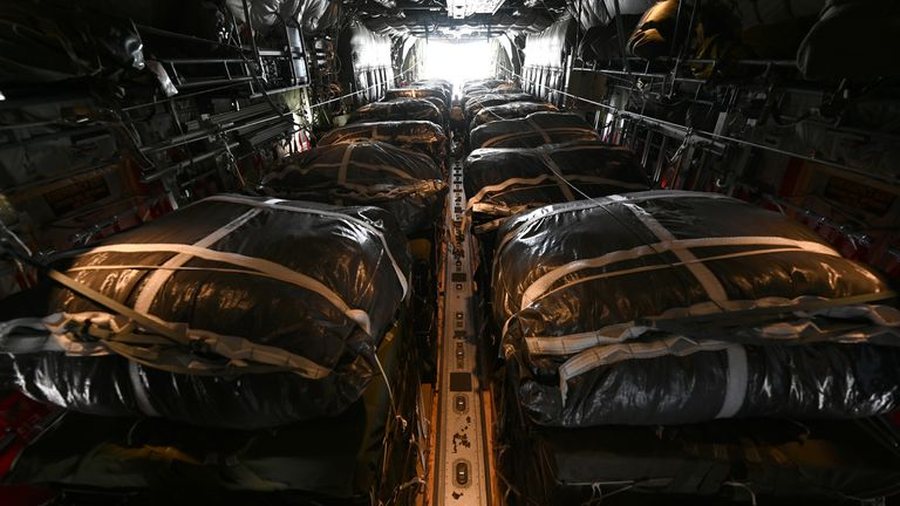
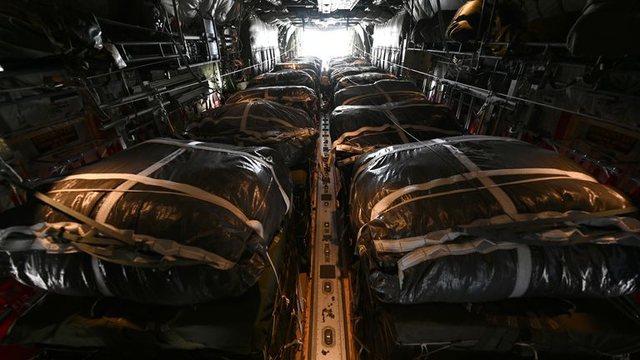
But how does it work? The "journey" of help begins in the warehouse. The packages contain foods capable of withstanding the impact on the ground such as rice, wheat, flour, peas, sugar, chickpeas, water and vegetable oil. Medicines are avoided in these types of operations because they are less likely to arrive intact. Everything is encased in a hard case that acts as a "cushion" when it hits the ground. The packages usually have different colors: blue (or green) for nutrients, white for cereals, red for legumes. Each plane can carry between 26 and 30 tonnes, with a food wastage rate varying between 0.5-1%.
At the same time, the flight plan is decided. Military personnel study the situation on the ground: the degree of danger determines the height from which aid is dropped. In a "quiet" territory and with enough free space, the plane flies at low altitudes, between 100 and 300 meters, which would allow dropping the packages without a parachute. As for Gaza - inhabited and densely built - the Americans chose a higher altitude, at least a thousand meters, and therefore the food was grouped in pallets equipped with parachutes.
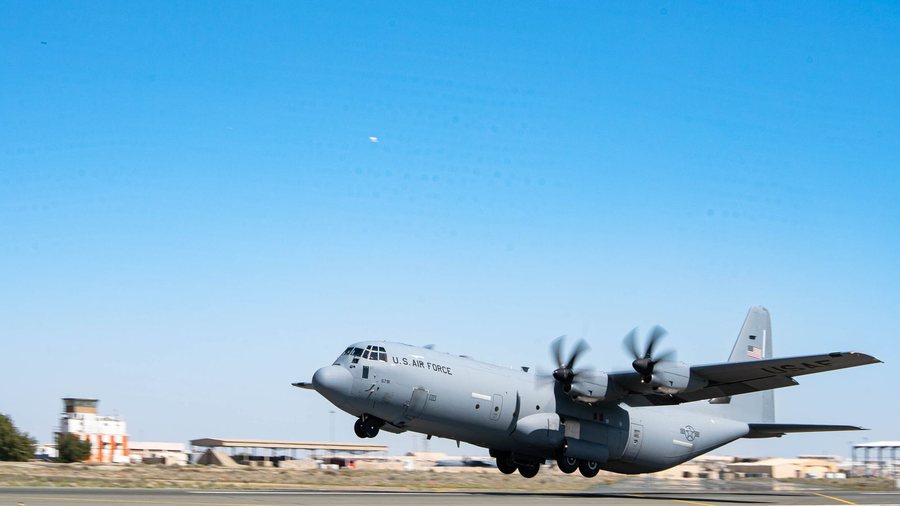
The other aspect has to do with weather conditions. Pilots take this into account when detaching to prevent pallets from ending up overboard or in areas that are difficult to access. Even a sudden wind can move the package hundreds of meters. Accuracy is crucial. As much as the flight plan also shows the package "landing" area: an area without obstacles, preferably an area of land visible from above, which can be as large as a football field (about 100 x 60 meters) on a plot of 1000 x 1500 meters (for releases from 5-7 thousand meters of height). The US used C-130s, capable of carrying 16 pallets, compared to 40 for the C-17.
After the plane goes over the designated place, the cargo is released: the descent by parachute takes place at a speed of approximately 85 km/h. And here is another problem for Americans. Without a US military presence on the ground, there is no guarantee that aid will not end up in the hands of Hamas. In fact, this type of mission always includes the presence, on the ground, of the employees who are responsible for giving the OK to start the operation, then collecting the pallets, transferring them to the relevant centers and distributing food to the population. / Pamphlet







Lini një Përgjigje