


 Shkruar nga Pamfleti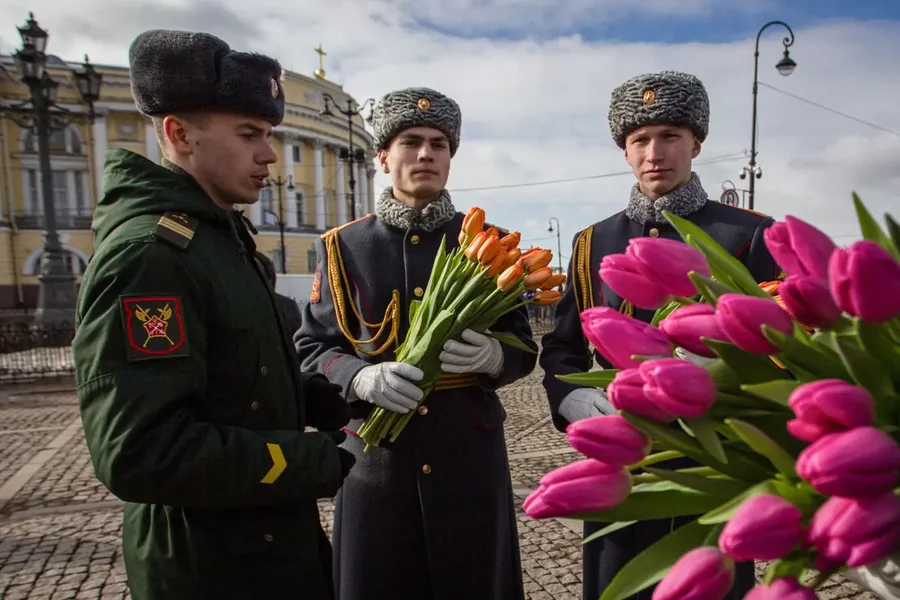
The Soviet Union prided itself on having taken women out of the kitchen. Today in Russia they are often treated as men's decorations, covered in flowers on Women's Day...
When even the boss appears at the office door with flowers in his hand, Russia is celebrating March 8. Women's Day, Mother's Day, Spring Day. This is how tulip sellers across the country present it, this is how men see it, and often even women themselves, who are touched when a bouquet of flowers is placed on the kitchen table and the child sings about "beautiful, gentle and loving mother," a song he learned in kindergarten.
At the subway entrances, flowers. In the parks, flowers. In the house, flowers. Why?
“Because we are women,” Russian women often say, but they can rarely explain what March 8th really stands for. In 1921, the International Conference of Communist Women in Moscow declared this date as International Women’s Day. The idea then was to formulate and win women’s rights.
This day also commemorates the strike of working women in Petrograd, now St. Petersburg. Just a few days later, the February Revolution of 1917 broke out and the Tsar was overthrown from power.
However, the fight for women's rights in the country that was born on this day and not only there, has been distorted. Today, Russia is immersed in a sea of flowers on March 8, while in other countries women take to the streets and protest. But already on March 9, slogans for equality are usually forgotten, especially in politics and in the management of institutions. The tulips in the vase have not even dried yet.
Alexandra Kollontai and the "young woman"
Even Russian women have heard about the wage gap between women and men, the unequal distribution of care work in the family, or the mental burden that women often bear: they remember doctor visits for the whole family, the size of children's shoes, and organize birthday parties, summer camps, or medical treatments for elderly parents.
However, even women who call themselves liberal often say: "These are our natural duties. We have nothing to do."
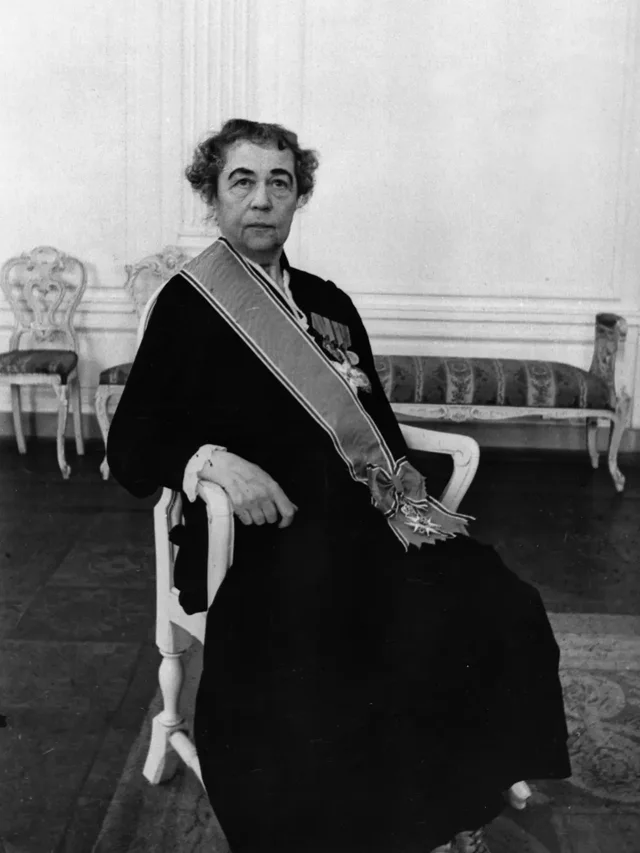
Natural duty? Alexandra Kollontai would have angrily rejected such a position. In 1913, at the age of 41, she wrote of women as “independent beings” and “personalities freeing themselves from the rusty chains of their gender.”
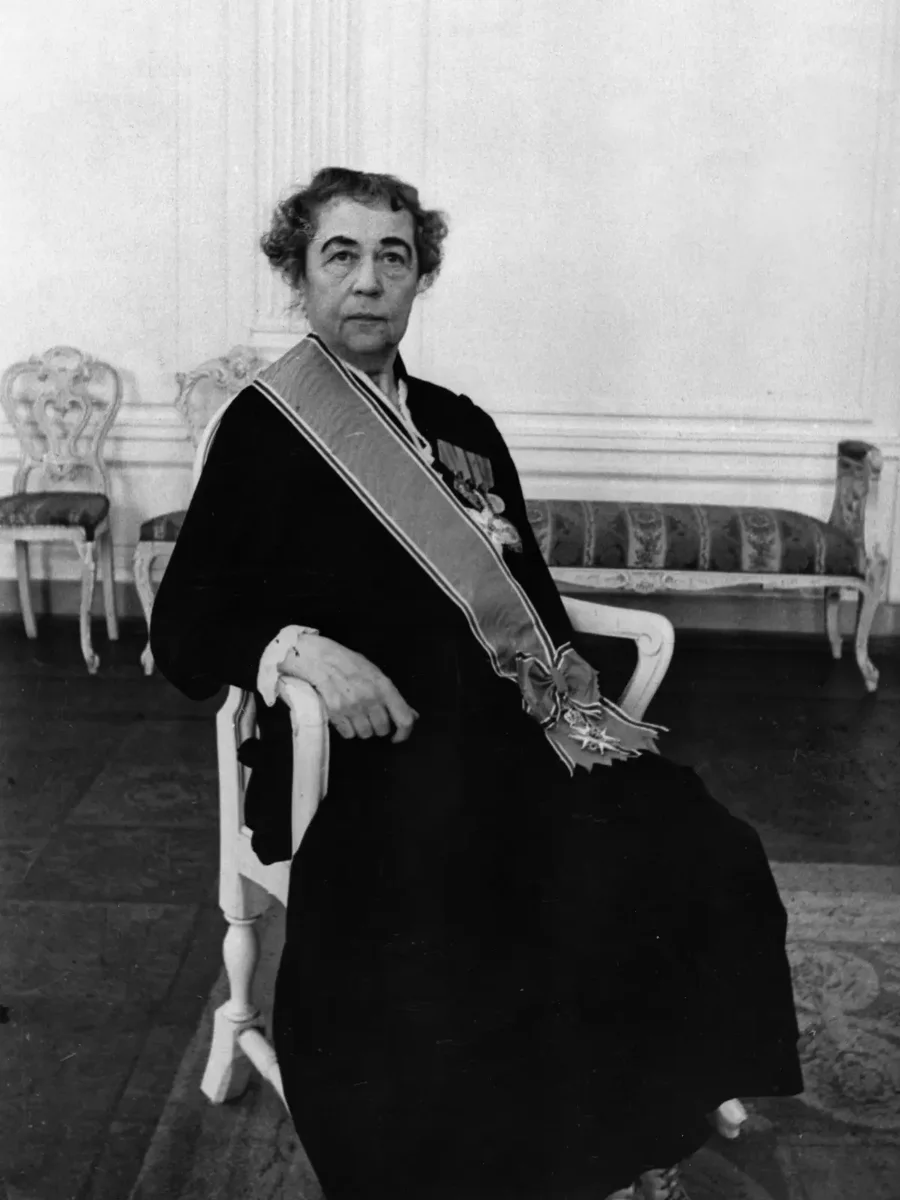
Kollontai wanted to actively participate in politics and society and used her privileges to do so. She went down in history as the world's first female minister and the first female ambassador. In her work "The Young Woman" she described a revolutionary concept of equality between men and women.
Sot, ndërkohë, presidenti rus Vladimir Putin deklaron se roli i gruas është të sjellë në jetë të paktën tre fëmijë. Në një lëndë të re shkollore, të quajtur “studime familjare”, vajzat mësojnë se duhet të bëhen nëna, përndryshe nuk janë gra të plota. Ndërkohë, një imam rus mund të bëjë thirrje publikisht në televizione online për dhunë ndaj grave dhe nuk ka pasoja.
Në Rusi nuk ekziston një ligj i posaçëm kundër dhunës në familje. Rrahjet brenda familjes konsiderohen shpesh si shkelje e vogël dhe ndëshkohen me një gjobë që nuk arrin as 50 franga zvicerane. Ideja se “më i forti ka gjithmonë të drejtë” është e rrënjosur thellë në shoqëri, një logjikë që, sipas kritikëve, është bërë edhe më e dukshme pas pushtimit rus të Ukrainës.
Kërkesat për mbrojtje më të fortë të grave nga dhuna në familje shpesh refuzohen nga Ministria ruse e Drejtësisë me argumentin se ato përbëjnë “diskriminim ndaj burrave”.
Kollontai, e cila refuzoi të nënshtrohej ndaj normave shoqërore të kohës cariste, e shihte gruan si një person të pavarur që duhet të sigurojë jetesën me punën e vet dhe të jetë aktive në politikë. Ajo ishte shembulli i asaj që bolshevikët e quajtën “Njeriu i Ri”, një ideal utopik pas revolucionit të vitit 1917: qytetari sovjetik kolektivist, i arsimuar në frymën marksiste dhe punëtor.
Bashkimi Sovjetik krenohej për një kohë të gjatë se ishte ndër vendet e para në botë që i kishte nxjerrë gratë nga kuzhina. Me alfabetizimin masiv dhe punën në fabrika, gratë duhej të bëheshin subjekte politike. Megjithatë, represioni, atëherë stalinist dhe sot putinist, sipas kritikëve, i kthen qytetarët në objekte politike që duhet të tregojnë besnikëri ndaj shtetit dhe të legjitimojnë pushtetin përmes zgjedhjeve.
Lule për vajzat, tanke për djemtë
Bolshevikët ishin ndër të parët që futën të drejtën e votës për gratë, edhe pse vende si Zelanda e Re, Australia dhe disa vende skandinave e kishin bërë këtë më herët.
Vetëm gjatë periudhës së Stalinit u rikthyen tabu dhe ndalime të reja. Megjithatë, gra si Kollontai, që e përshkruante veten si një “komuniste seksualisht e emancipuar”, nuk e kritikuan kurrë publikisht Stalinin.
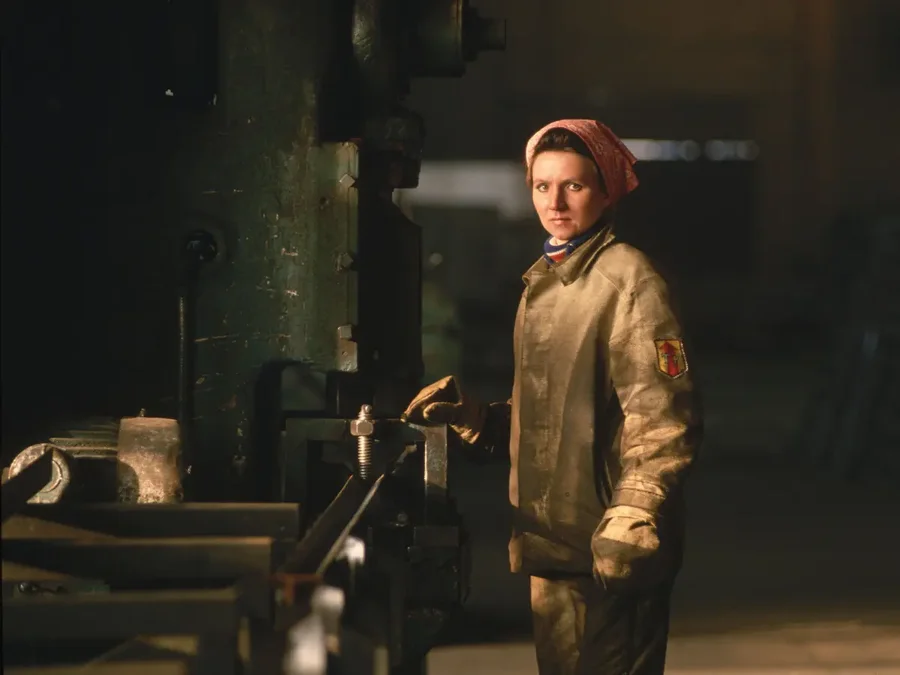
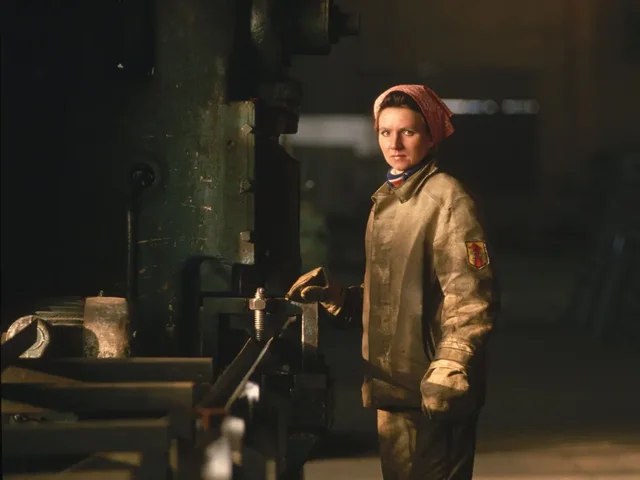
Gratë sovjetike punonin si drejtuese vinçash, traktoriste apo kontabiliste. Pasardhëset e tyre sot shpesh thonë me krenari se ligjet e vendit garantonin barazi, por njëkohësisht ankohen se janë ato që duhet të mbajnë gjithçka nën kontroll: kuzhinën, fëmijët dhe kujdesin për pamjen e tyre.
“Detyrat femërore”, një term i pranuar gjerësisht në vend, nuk u zhdukën kurrë. Gratë mund të jenë ministre apo drejtuese departamentesh, por pritet gjithashtu që të kujdesen për “vatrën”: shtëpinë, rritjen e fëmijëve dhe prindërit e moshuar, si dhe për pamjen e tyre, thonjtë, flokët dhe veshjen.
Sapo lind një djalë, prindërit festojnë “mbrojtësin” e ardhshëm. Në kopshtet e fëmijëve vazhdon edukimi tradicional: djemtë duhet të jenë të fortë dhe vajzat të bukura.
For March 8, boys prepare flowers for girls. A few days ago, on February 23, Defender of the Fatherland Day, girls gave boys small tanks made from matchboxes.
Flowers for women, tanks for men, this simplified concept of gender roles continues to be preserved and reinforced.
Meanwhile, the state takes special care of women who have lost sons in the war against Ukraine, which Russian authorities officially call a “special military operation.” On March 8, mothers of fallen soldiers are often given flowers.
In some cases, other gifts have also been given: last year, in the northern Murmansk region, some mothers received electric meat grinders as gifts.
In Russia, where criticism of the state often ends up in court, this did not cause a major public backlash. Local officials even declared in front of television cameras that the women had chosen these household appliances themselves.
The question that remains, according to the author of the analysis, is whether these symbolic gifts simply mask another reality: the preparation of future "defenders" for the state's wars. /Adapted from NZZ /







Lini një Përgjigje