


 Shkruar nga Pamfleti
Eyck Freymann's book highlights that an invasion of Taiwan could cause greater economic shocks than the Hormuz crisis
Hoover Institution scholar Eyck Freymann, who also serves as a nonresident research fellow at the Institute for China Naval Studies at the US Naval War College, has published a new book titled “Defending Taiwan.” In it, he warns that the United States has no serious plan for a possible Chinese invasion of the island, and that the recent closure of the Strait of Hormuz following US attacks on Iran demonstrates precisely the kind of lack of imagination that leaves the US unprepared for a Taiwan-like scenario.
According to an analysis published in 19FortyFive, Freymann points out that the closure of the Strait of Hormuz after the US attacks on Iran illustrates how events considered impossible can happen in practice. He argues that a similar logic has been used in assessments of Taiwan, underestimating the real risk of a Chinese military intervention.
The analysis also joins a broader debate about the nature of global conflicts. Some experts suggest that the world may already be in the early stages of a major international conflict, with major powers acting indirectly through support for various parties, as is the case with the war in Ukraine.
One of the main concerns is the economic consequences of a conflict for Taiwan. Unlike Hormuz, which is key for oil supplies, Taiwan is central to global semiconductor production. Freymann points out that a disruption to this supply chain would directly affect the digital economy and the global military industry.
Taiwan: a bigger challenge than war with Iran?
In his recently published book, "Defending Taiwan," Eyck Freymann analyzes what the United States' response might be to an invasion of the Republic of China (Taiwan) by the People's Republic of China.
As the book points out in part: “the question of how the United States would respond to a Chinese invasion of Taiwan is not theoretical. It is fundamental. And the answer, for now, is: no one knows.”
Several narratives are intertwined around this issue. One is whether an invasion of this democratic island, long claimed by Beijing and considered a “rebel province” by the Chinese Communist Party, would be a prelude to World War III. However, some defense experts question this claim.
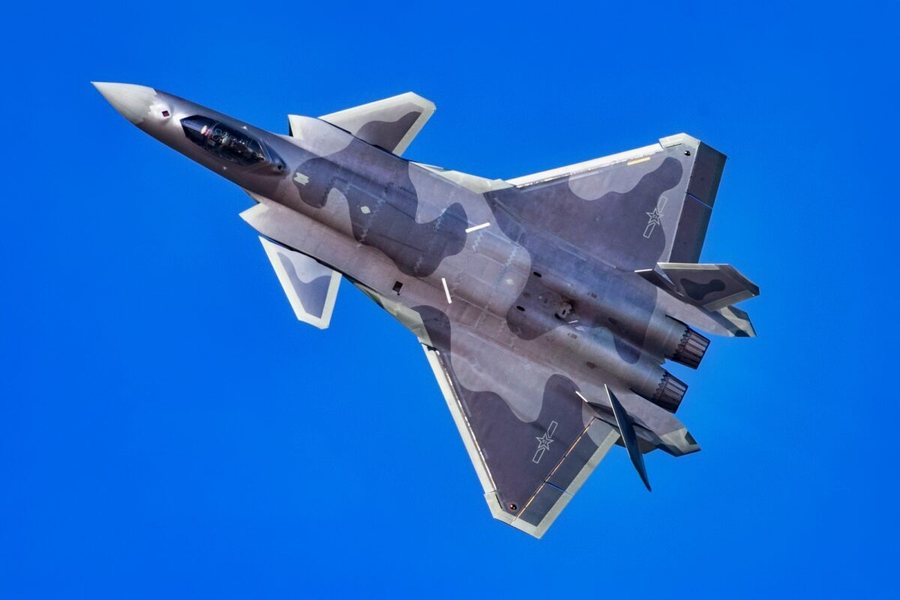
The threat of war over Taiwan
Një akademik civil në pension i Ushtrisë amerikane shpjegon se Lufta e Dytë Botërore nuk u quajt kështu në fillim. Konfliktet u perceptuan si ngjarje të ndara, “lufta në Kinë”, “lufta polake”, apo “lufta në Finlandë”. Vetëm më vonë u kuptua se ato përbënin një luftë globale.
Sipas tij, një logjikë e ngjashme mund të zbatohet edhe sot: mund të jemi tashmë në një konflikt të gjerë global, ku aktorët kryesorë veprojnë në mënyrë indirekte për të shmangur përfshirjen e drejtpërdrejtë.
Në këtë kuadër, Kina mbështet Rusinë në luftën në Ukrainë përmes furnizimit me komponentë për prodhimin e municioneve, të dhëna inteligjence nga satelitët dhe mbështetje ekonomike përmes blerjes së energjisë dhe mallrave ruse. Në të njëjtën kohë, ajo furnizon edhe Ukrainën me teknologji me përdorim të dyfishtë për prodhimin e dronëve. Eksperti citon se shitja për të dyja palët është një praktikë e njohur në kohë lufte dhe Kina e përdor këtë strategji me efikasitet.
Refuzimi për të nxjerrë mësime
Freymann argumenton se SHBA dhe aleatët e saj nuk po nxjerrin mësimet e duhura nga zhvillimet aktuale, veçanërisht nga lufta me Iranin.
Ai vëren se deri më 27 shkurt, Ngushtica e Hormuzit konsiderohej një nga pikat më të sigurta dhe më të rëndësishme për furnizimin global me energji, ku kalonte rreth një e pesta e naftës botërore çdo ditë. Edhe pse mundësia e mbylljes së saj diskutohej teorikisht, ajo nuk besohej realisht si një skenar i mundshëm.
Sipas tij, i njëjti qëndrim ka ekzistuar edhe për një pushtim të Tajvanit — një rrezik i njohur, por i nënvlerësuar. Ai sjell si shembull edhe pushtimin rus të Ukrainës, i cili u bazua në supozime të gabuara dhe inteligjencë të pasaktë.
Rritja e rrezikut
Freymann thekson se pasojat ekonomike të një konflikti për Tajvanin do të ishin shumë më të mëdha se ndikimet nga ndërprerjet në Hormuz.
Ngushtica e Tajvanit është thelbësore për ekonominë digjitale globale, pasi aty kalon zinxhiri i furnizimit me çipa, të cilët janë të domosdoshëm për sistemet moderne, përfshirë armët e avancuara.
Në rast të një përplasjeje serioze mes SHBA-së dhe Kinës, ndikimi ekonomik mund të fillojë edhe para shpërthimit të konfliktit, për shkak të reagimeve të tregjeve, sigurimeve dhe rrugëve tregtare.
Ndryshe nga nafta, nuk ekzistojnë rezerva emergjente për gjysmëpërçuesit. Kjo e rrit ndjeshëm rrezikun e ndërprerjeve afatgjata.
Freymann paralajmëron gjithashtu për mundësinë e përshkallëzimit të konfliktit, duke përfshirë sulme ndaj objektivave në territorin kontinental, luftë kibernetike, operacione në hapësirë dhe madje përdorimin e armëve bërthamore taktike.
Mungesa e një plani ekonomik
Një raport i vitit 2023 nga një komision i Kongresit amerikan arrin në përfundimin se SHBA nuk kanë një plan për të përballuar pasojat ekonomike dhe financiare të një konflikti me Kinën.
Freymann warns that an invasion or blockade of Taiwan would cause disruptions to global supply chains, shortages of key products, inflation and job losses. Developing economies would be particularly hard hit, and it could take years to recover manufacturing capacity.
Freymann concludes that the war with Iran provides a concrete example of a lack of strategic preparedness. He raises the question of whether Washington will treat this as a serious warning of a potential crisis with Taiwan or will continue to underestimate the risk. /Adapted from Pamphlet /




Lini një Përgjigje