


 Shkruar nga Pamfleti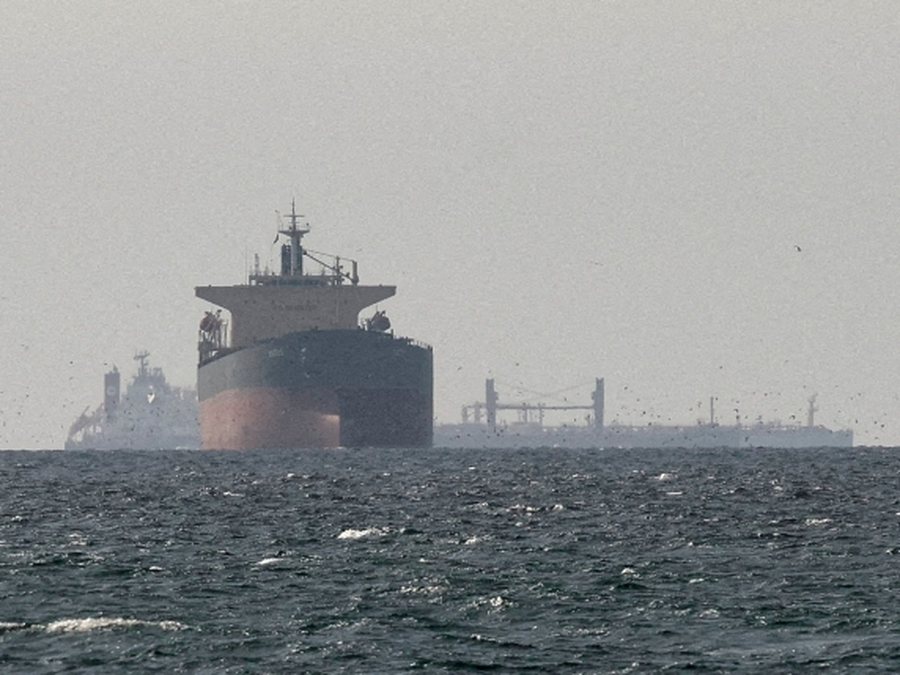
Companies are facing a sharp rise in energy costs, disrupted supply chains and damaged trade routes, particularly due to tensions in the Strait of Hormuz, a strategic global hub.
The conflict between the United States, Israel and Iran has already caused a global economic impact estimated at at least $25 billion for businesses, and the bill continues to grow, according to a Reuters analysis.
A review of the official communications of publicly traded companies in the US, Europe and Asia paints a disturbing picture. They are facing sharply rising energy costs, disruptions to supply chains and disruptions to trade routes, particularly due to tensions in the Strait of Hormuz, a key point for global energy traffic.
Protective measures
At least 279 companies have already identified the conflict as a reason for taking protective measures to limit the financial impact. These measures include price increases, production cuts, suspension of dividends and share buybacks, placing employees on temporary layoffs, fuel surcharges and requests for government assistance.
This constitutes another global shock to businesses, following the Covid-19 pandemic and the war in Ukraine, which is reducing expectations for economic growth for the remainder of the year, in a climate where no quick resolution to the conflict is in sight.
Industrial contraction
"This level of industrial contraction is similar to that seen during the global financial crisis and even more severe than in other recessions," Whirlpool CEO Marc Bitzer said after the company lowered its annual outlook and suspended its dividend.
Analysts say the slowdown in economic growth will reduce companies' ability to raise prices and make it harder to cover fixed costs, putting pressure on profit margins from the second quarter. Rising prices also risk fueling inflation and weakening consumer confidence.
Deferred purchases
“Consumers are postponing purchases and preferring to repair products rather than replace them,” Bitzer added. Among the main reactions of companies are cost cutting, price increases and downward revisions to financial forecasts. The impact is widespread. For example, companies such as Procter & Gamble, Malaysian condom maker Karex and Toyota have reported increasingly severe consequences as the conflict continues.
Raw materials
Iran's blockade of the Strait of Hormuz, one of the world's most critical energy supply points, has pushed the price of oil above $100 a barrel, more than 50 percent above pre-war levels.
This has increased transportation costs, reduced the availability of raw materials, and disrupted essential trade routes. Supplies of fertilizers, helium, aluminum, polyethylene, and other key materials have also come under pressure.
Around a fifth of the companies analysed, operating in sectors from cosmetics to tyres, cruises and airlines, have already declared a direct economic impact from the conflict.
Most are located in Europe and the United Kingdom, while nearly a third are in Asia, regions heavily dependent on Middle Eastern oil.
Comparison with customs tariffs
To understand the scale of the problem, tariffs imposed in the US during 2025 had generated costs of around $35 billion for global businesses, according to comparative data.
The hardest-hit sector is airlines, with about $15 billion in additional costs related to fuel, the price of which has almost doubled. Companies such as McDonald's, Toyota and Procter & Gamble have also revised their forecasts.
Additional costs
Some companies report that every $5 increase in the price of oil brings millions of dollars in additional costs, while other industry groups, such as tire maker Continental, predict significant consequences in the coming quarters.
Although prices have increased, many companies have yet to fully reflect these effects in their financial results. Profit margins in the first quarter remain relatively solid, although analysts expect a deterioration in the second half of the year.
According to experts, the true impact on profits has not yet fully appeared on companies' balance sheets, while geopolitical uncertainty continues to weigh on the global outlook./Adapted from "Pamphlet", from "Corriere della Sera"





Lini një Përgjigje