


 Shkruar nga Pamfleti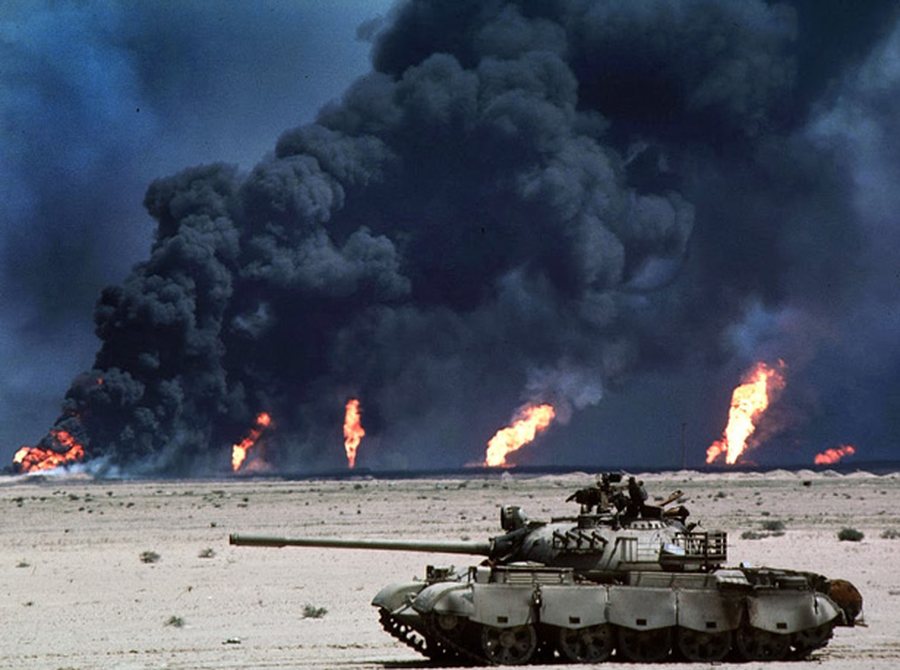
Today we can say that the Israel-Hamas war is not political, religious or territorial, but in the end it is about oil...
Crude oil is and will remain essential for the countries that produce it. And it plays a big role in policy making.
Oil is, in other words, the energy and economic idol of many states, driving governments to make dogmatic and ideological decisions that over time turn their nation into a permanent tenant state - living off its wealth. natural.
This is the situation of countries that earn most of their income from the export of natural resources, but it typically reflects the socio-political conditions in some super-rich states sitting on large hydrocarbon resources.
Even today we can say that the Israel-Hamas war is not political, religious or territorial, but in the end it has to do with the energy economy. It is not unrelated to the huge income of Arab oil producers and their undoubted influence on all socio-political dynamics in the Middle East.
The world has 55 major oil and gas producing countries, including 15 in Africa, 13 in the Middle East and North Africa and 11 in the Americas. More broadly, 148 countries have significant links to oil production, either by earning something from the sale of crude or the export of fuels and derivatives or through involvement with part of the supply chain.
Currently state sector firms produce 55% of the world's oil and gas and most of them are poorly managed. This means that, without proper planning, public resources are wasted, corruption flourishes, and oil production ultimately harms the communities where the firms are located.
The study noted democratic shortcomings in Middle Eastern countries, as there are states that spend oil revenues in a dark way, focused more on the state than on society. This in clear terms means money spent on arms and state security, which in turn encourages the existing reluctance of the state to make any democratic or responsible progress for the benefit of the rest of society.
The limited nature of oil resources is already driving change in countries such as the United Arab Emirates and Saudi Arabia, which have acted to diversify their economies (for example by promoting tourism and real estate investment) and change the attitudes of foreign policy (ties with Israel) in an effort to create long-term stability through peaceful means.
Fossil fuels keep the world running at the rate of 250 million barrels per day. And they are likely to be dominant for several more decades.
We worship oil, placing it at the heart of the economy and allowing it to cause wars attributed to politics, religion or culture. Let's start by saying this truth out loud.
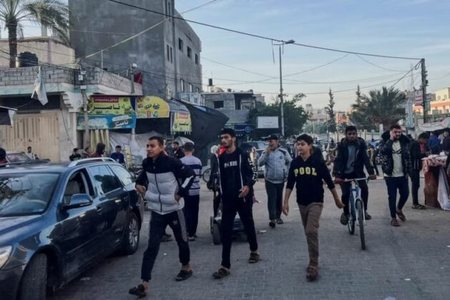
The Gaza war and the invasion of Ukraine reflect the hidden agendas of outside powers, with massive effects on the civilian population. And as the mindless addiction to oil continues, all of us around the world are complicit. / Adapted "Pamphlet" from "World Crunch"



Lini një Përgjigje