


 Shkruar nga Pamfleti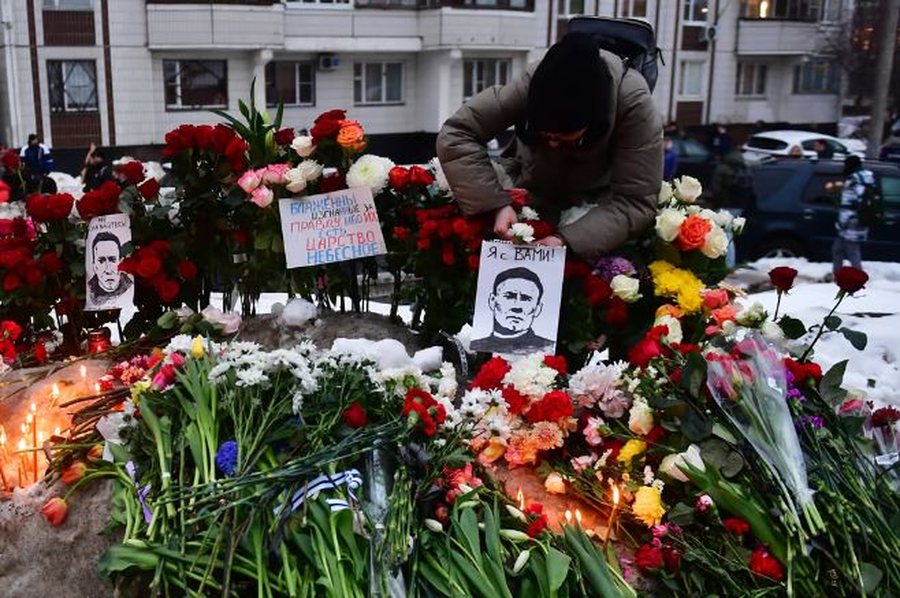
Death has not dampened Alexei Navalny's ability to lift the Kremlin.
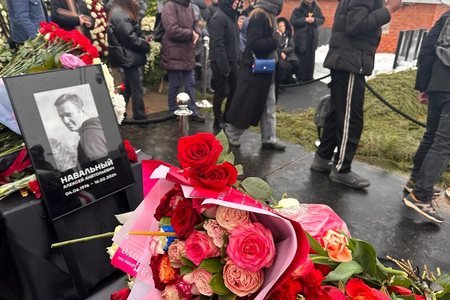
Despite the risk of persecution, thousands of people publicly paid their last respects to the opposition leader across Russia.
It's been a long time since the chant "Putin is a murderer" echoed through the streets of Moscow, and the Russian authorities certainly tried to prevent it.
But death has not extinguished Alexei Navalny's ability to lift the Kremlin.
Even lying in a coffin, he managed to do what in today's Russia seems impossible: draw thousands of people into the streets in an act of collective defiance not seen since Russian President Vladimir Putin launched his full-scale war against Ukraine two years ago.
Were he alive, Navalny, a great lover of dark humor, would likely enjoy his funeral as the ultimate proof of the Kremlin's moral degradation.
From the moment Navalny's mother, Lyudmila, traveled to the penal colony north of the Arctic Circle where he died suddenly in mid-February, she said Russian authorities had tried to blackmail her into organizing a private funeral.
First, they refused to hand over her body to Navalny. Subsequently, Navalny's allies could not find a place where they would agree to hold the funeral. On Thursday, it suddenly became impossible to find a hearse to take his body to the church.
Putin, who famously refuses to call Navalny by his first name, seems determined to have his political nemesis disappear underground in silence.
However, despite the risk of persecution, on Friday thousands of people publicly paid their last respects to Navalny in cities across Russia.
Both personal and political
Moscow drew the biggest crowds, with young and old lining up for hours in the cold in Navalny's former neighborhood of Marino; first outside a Russian Orthodox church for a service, and then at a nearby cemetery where Navalny was eventually buried.
Of course the crowds are just the tip of the iceberg. Many of Navalny's supporters, including his entire team, have fled Russia and had no choice but to follow the events from abroad. Others inside Russia will have been unable or too afraid to participate.
A live stream Friday hosted by Navalny's YouTube team drew a steady audience of 250,000 viewers.
"Putin thought that Navalny's problem would disappear along with the person. But he miscalculated in a big way,” Navalny's close ally Maria Pevchikh told viewers.
Menjëherë pas vdekjes së Navalny-t pati një vërshim emocionesh, me njerëz në të gjithë Rusinë duke sjellë lule në monumentet e represionit politik të epokës sovjetike në qytetet e tyre.
Megjithëse ekipi i Navalny këmbënguli se funerali nuk ishte një tubim proteste, me sa duket për të minimizuar rrezikun për mbështetësit e tyre, për shumë rusë vdekja e tij është personale dhe politike.
Thirrjet fillestare: "Navalny!" dhe "Ti nuk kishe frikë dhe as ne", u kthye shpejt në: "Rusia do të jetë e lirë!"
Pasdite, grupe të mëdha po brohoritnin gjithashtu: "Jo luftës!"
"Për mua sot ishte kujtimi më i fortë se politika në Rusi nuk ka vdekur, se njerëzit nuk po dorëzohen dhe vazhdojnë të besojnë në një të ardhme pa diktatura, padrejtësi dhe luftë," tha për POLITICO një 24-vjeçar muskovit.
Për vite me radhë, aparati shtetëror rus është përpjekur ta kthejë Navalny-n në një figurë toksike. Pas burgosjes së tij në fillim të vitit 2021, i gjithë rrjeti i tij u cilësua një "organizatë ekstremiste" që detyronte aleatët e tij të ngushtë në mërgim dhe mbështetësit e tij në heshtje.
Motivimi i fundit
Me sa duket, gruaja e Navalny-t, Yulia, e cila është zotuar se do t'i marrë dorezën burrit të saj dhe fëmijët e çiftit, Daria dhe Zakhar, nuk morën pjesë në funeralin dhe qëndruan jashtë Rusisë. Në vend të kësaj ata postuan homazhe prekëse në mediat sociale.
Me frikën e një goditjeje të madhe përpara funeralit, grupi i të drejtave Pervy Otdel këshilloi vajtuesit që të përmbahen nga mbajtja e fotografive apo imazheve të liderit të opozitës, megjithëse nuk ka ligj rus kundër tij.
“Gjithçka që ka ndodhur në vitet e fundit rreth Alexei Navalny tregon se kur bëhet fjalë për këtë njeri, autoritetet nuk flasin gjuhën e ligjit, por atë të rrugës apo burgut dhe forcës brutale”, tha Dmitry Zair-Bek avokat në Pervy Otdel.
Por nëse shpresa e Kremlinit ishte se vdekja e Navalny-t do të tregonte suksesin e tij në çrrënjosjen e të gjithë opozitës, ajo u dha rusëve motivimin përfundimtar për të dalë nga fshehja.
Menjëherë pas vdekjes së Navalny-t panë një vërshim emocionesh, me njerëz në të gjithë Rusinë duke sjellë lule në monumentet e represionit politik të epokës sovjetike në qytetet e tyre.
Autoritetet kanë pastruar lulet dhe kanë bërë qindra arrestime.
Të premten, grupi i të drejtave OVD-Info raportoi se më shumë se 60 persona ishin arrestuar në rreth 13 qytete. Por në Moskë, autoritetet zgjodhën kryesisht një kurs të mospërplasjes.
Sipas analistit Abbas Gallyamov, Kremlini duket se ka vendosur të shmangë përplasjet publike në kryeqytet përpara zgjedhjeve presidenciale të koreografisë së ngushtë dy javë nga tani.
"Gjërat ishin kërcënuese për të shkuar shumë larg, me një betejë kundër një personi të vdekur dhe mungesë të hapur respekti ndaj nënës së Navalny," tha analisti Abbas Gallyamov për POLITICO.
Zyrtarët e Kremlinit "nuk duan të duken si satanistë përpara elektoratit të tyre konservator”, shtoi ai.
Instead, he added, the strategy appears to have been to contain the size of Friday's crowd and stop the flow of information.
Before the funeral, students and civil servants were ordered not to attend, and some people were given preliminary warnings by the police. On the day itself, mourners had to contend with patchy internet and blocked access to the church and cemetery.
Church and cemetery workers rushed through the burial proceedings, giving only a handful the chance to say their goodbyes before his casket was buried in the ground.
The last word
Fear and censorship could only go so far. Media reported that students from a school near the church could be heard shouting "Navalny" from the windows.
And several public figures also attended, drawing additional viewership, including Yevgeny Roizman, the former mayor of Yekaterinburg and a vocal critic of Putin, and anti-war politician Boris Nadezhdin. The latter made global headlines as Russians lined up outside his campaign offices to support his candidacy.
Nadezhdin was immediately disqualified from the race and there is little doubt that Putin will emerge as the winner of the March vote.
But queues in support of Nadezhdin and for Navalny's funeral on Friday have already damaged the Kremlin's narrative that the Russian leader and his fight enjoy the unanimous support of Russians. They have also filled anti-Kremlin Russians with much-needed hope and given them a way out.
"Long lines of people have become the new way for Russians to participate in politics," Kyrill Martynov, editor-in-chief of Novaya Gazeta Europe, told Dozhd TV channel.
Asked about Navalny's funeral on Friday, Kremlin spokesman Dmitry Peskov declined to comment, except to remind Russians to respect protest laws that effectively ban all public dissent.
So it was Navalny who ended up having the last word.
As his casket was lowered into a freshly dug grave, musicians played Frank Sinatra's "My Way," followed by the final theme song from his favorite movie: "Terminator 2. " "Pamphlet"


Lini një Përgjigje