


 Shkruar nga Pamfleti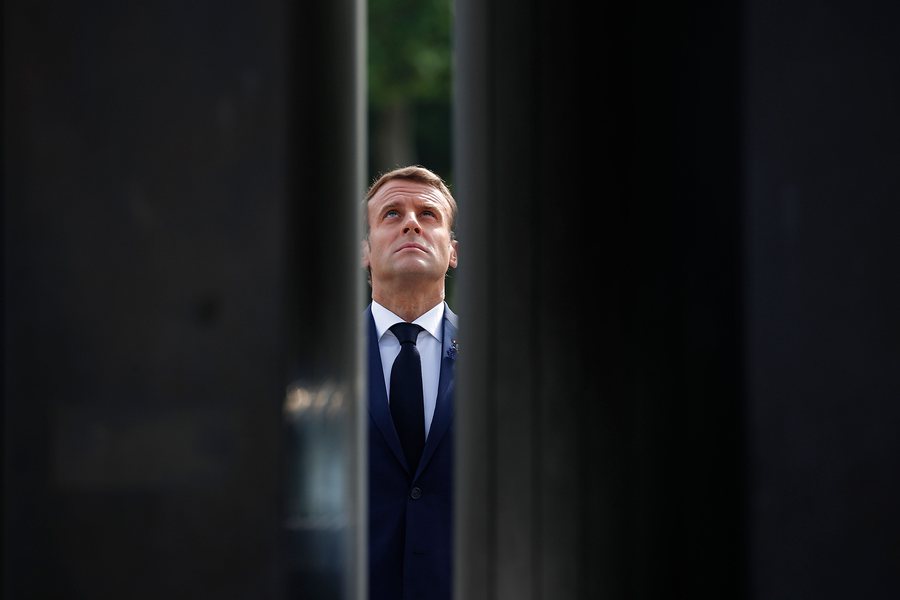
Macron wanted to send two messages. The first was for Russia!
French President Emmanuel Macron sparked a heated debate at a press conference late Monday when he floated the idea of sending Western troops to Ukraine. The subsequent reactions in France, Europe and of course in Russia clearly showed that the issue is explosive. This is because it has to do with war and peace in Europe, with the existential question par excellence.
On Tuesday, the Elysee presidential palace made a series of clarifications necessitated by Macron's cryptic comments and the criticism they provoked. First, they say it's not about sending combat troops to confront the Russians, but about bomb disposal experts, trainers and equipment maintenance personnel who could be stationed in Ukraine. So not an entry into the war, but another step forward in an engagement that has steadily increased since the Russian invasion two years ago.
The second crucial point is that no decision has yet been made, but as Macron said on Monday evening, "nothing is ruled out."
So the question is: why did he speak publicly about it, risking backlash from those who oppose him, such as German Chancellor Olaf Scholz, known for his sobriety, or, more likely, attacks from Moscow?
What were the two hidden messages Macron
Macron wanted to send two messages. The first was for Russia: President Vladimir Putin must understand that Europe will do whatever is necessary to prevent him from winning in Ukraine. Putin believes, not without reason, that everything is going according to his plan: the military balance of power, the paralysis and rise of former President Donald Trump in the US and a Europe too used to living under the American umbrella. He definitely had to send a signal that Europe was not giving up.
The second message was for the Europeans themselves. Since Trump's strange statement about NATO, those in Europe who swear by American defense have vacillated between bewilderment and panic.
Since 2017, Macron has defended European strategic autonomy, and today he is presenting himself as the leader of those who want to build it, at the risk of offending his much more cautious partners. It is a reverse situation, as he was accused of complacency towards Putin in the first months of the war and is now being criticized for going too far.
A general observation
In Europe there were many critical reactions, as if France were risking war with Russia. As always, French initiatives in Europe are met with a certain reserve, although many admit that they deserve to exist.
This impromptu summit in Paris, held after the visit of Ukrainian President Volodymyr Zelensky 10 days ago, was proof of that: at a critical moment, he was very operational on the topic of aid to Ukraine.
The small shockwave that has occurred over the past few days gives an idea of what will happen if Europe has to do without American support in less than a year. But he has to start thinking for himself. Over the past two years, Europe has made significant strides in defense that previously seemed unthinkable, but it is still far from speaking with one voice when the world calls for it./ Adapted "Pamphlet" from "WorldCrunch"


Lini një Përgjigje