


 Shkruar nga Pamfleti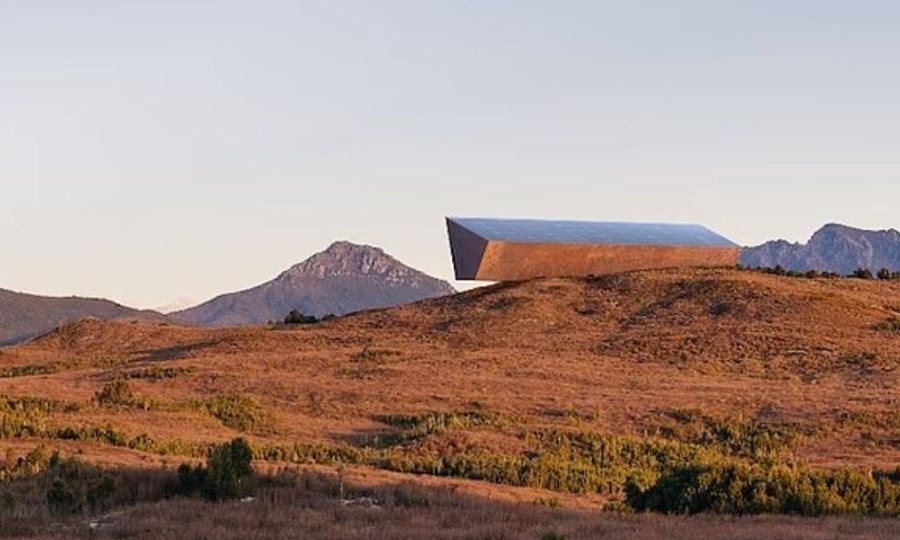
The facility designed to survive disasters will collect and store data on climate change and humanity's response for decades, even after its possible disappearance...
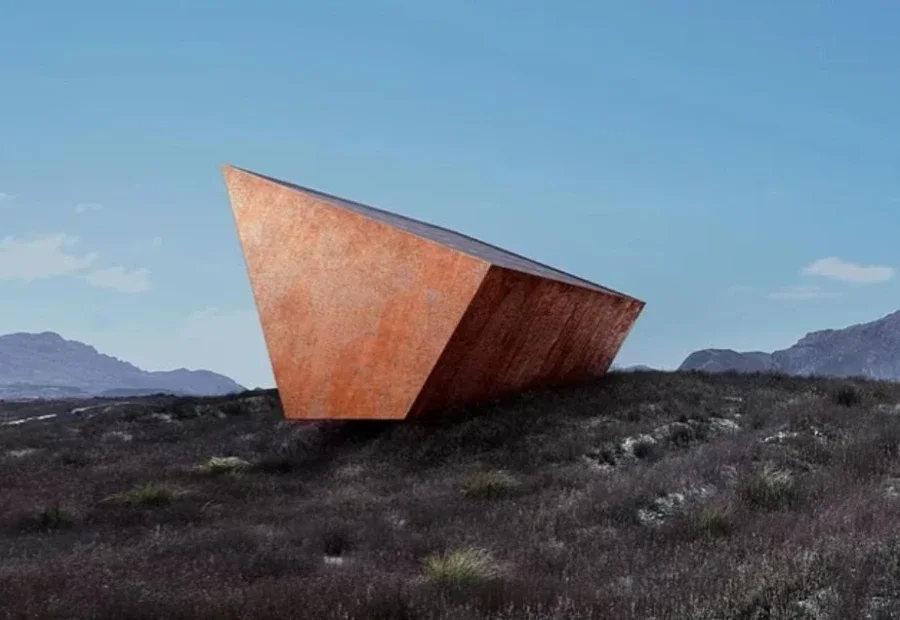
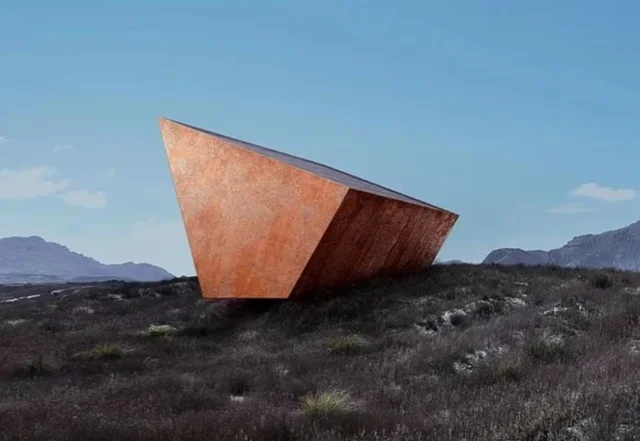
An unusual structure called "Earth's Black Box" will be built at a remote airport in Tasmania, Australia, with the aim of documenting developments related to climate change and its impact on humanity.
The project is inspired by aircraft black boxes, which store important data after air crashes. Similarly, “Earth's Black Box” will continuously record data on the state of the planet and humanity's actions.
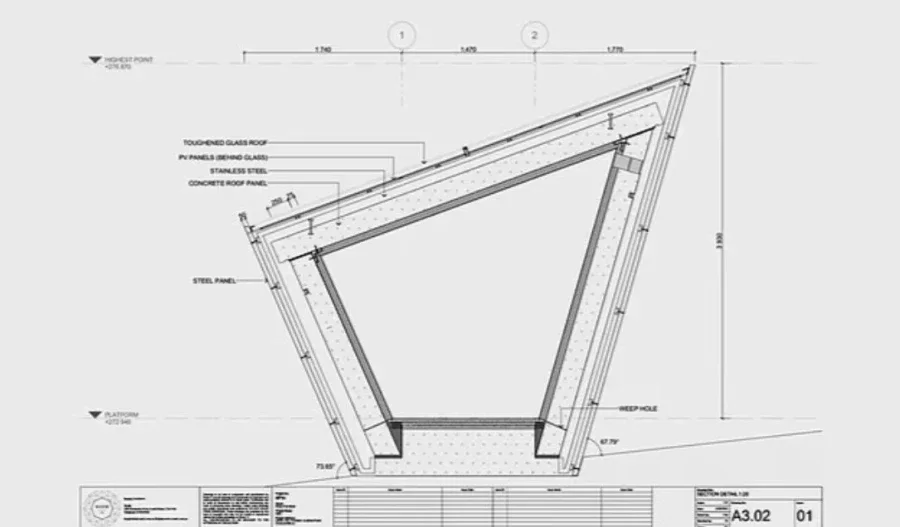
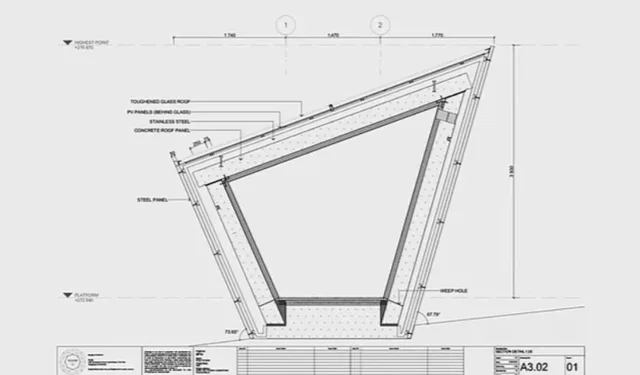
The protected information storage system will collect data from space agencies, weather stations and universities, with the aim of creating an objective record of global developments. Once completed, the structure will be 16 meters long and 4 meters high, built to withstand natural disasters such as cyclones, earthquakes, fires, floods, but also possible attacks.
According to the Rouser Lab team, which is leading the project, the facility will be built on a 500-million-year-old granite formation on the west coast of Tasmania, an area considered among the most politically and geologically stable in the world.
The Black Box will be powered by 36 glass-protected solar panels and a thermoelectric system, aiming to continue operating long after the possible extinction of humanity.
The project was first presented in 2021, during the UN Climate Conference (COP26) in Glasgow. At that time, the conference data was stored on digital disks with the intention of later transferring them to the final structure.
Although the project seemed on hold for several years, Rouser Lab has confirmed that construction work has already begun. According to the company, the installation of the facility near the city of Queenstown in Tasmania is expected to be completed by December of this year.
Project director Jonathan Kneebone told The Guardian newspaper that over the past five years the team has improved the design, data storage systems, material resources, digital platform and funding models for the long-term support of the initiative.
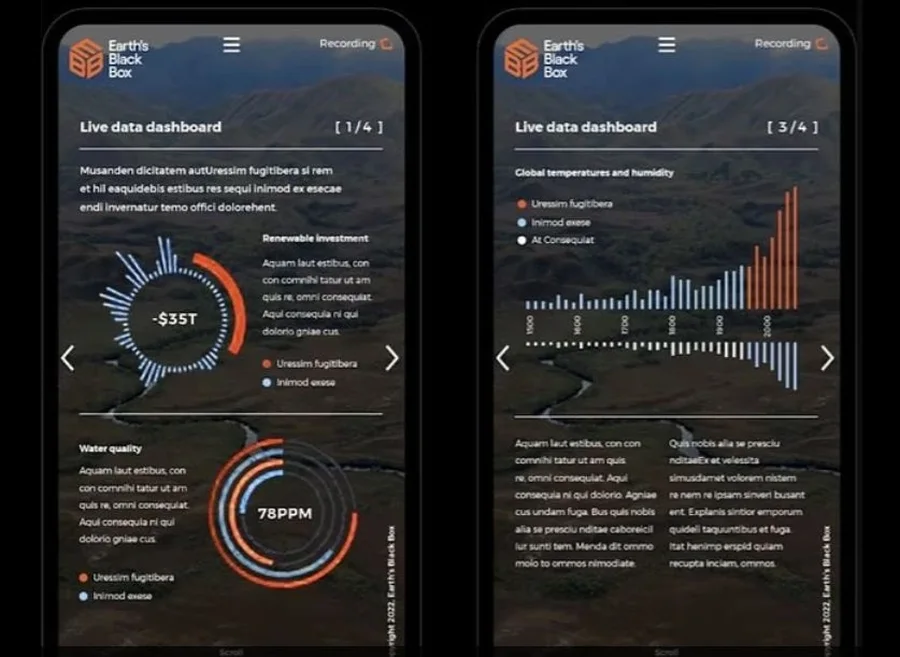
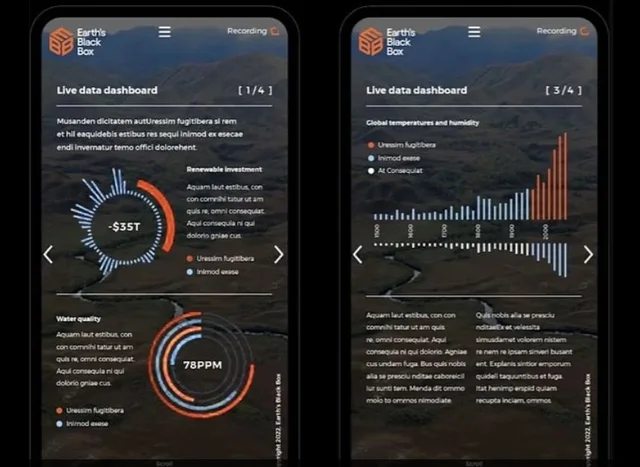
Once operational, "Earth's Black Box" will record a wide range of indicators related to climate change, including global temperatures, sea levels, the concentration of carbon dioxide in the atmosphere, as well as data on energy consumption and other social indicators.
To provide a more complete picture of developments, the system will also store public speeches, media articles, academic studies and social media posts related to climate.
According to the project's creators, the goal is to create an objective record of events that could lead to a global crisis, serving future generations as a source of information and reflection.
However, it still remains unclear how the data would be accessible in the event of a global disaster and whether there would be people who would be able to use it.
The announcement of the start of construction ended speculation that the project was simply a marketing campaign. While the University of Tasmania was initially associated with the initiative, it withdrew in subsequent years and requested that its name be removed from the project's official website. The initiative is currently supported by a network of creative companies, communications agencies and architects.
Rouser Lab is also working on another ambitious project: building a "techno-obelisk" that will continuously broadcast an SOS radio signal into space.
The project is now being coordinated by the Earth's Black Box Foundation, a registered charity that has undertaken its long-term implementation and maintenance. Once construction is complete, the foundation will upload all of the climate data collected so far into the system and begin continuous recording.
Tasmania's West Coast Council chairman Shane Pitt said the project had been in the works for many years and added that it could also become a tourist attraction for the region.





Lini një Përgjigje