


 Shkruar nga Nikolai Petrov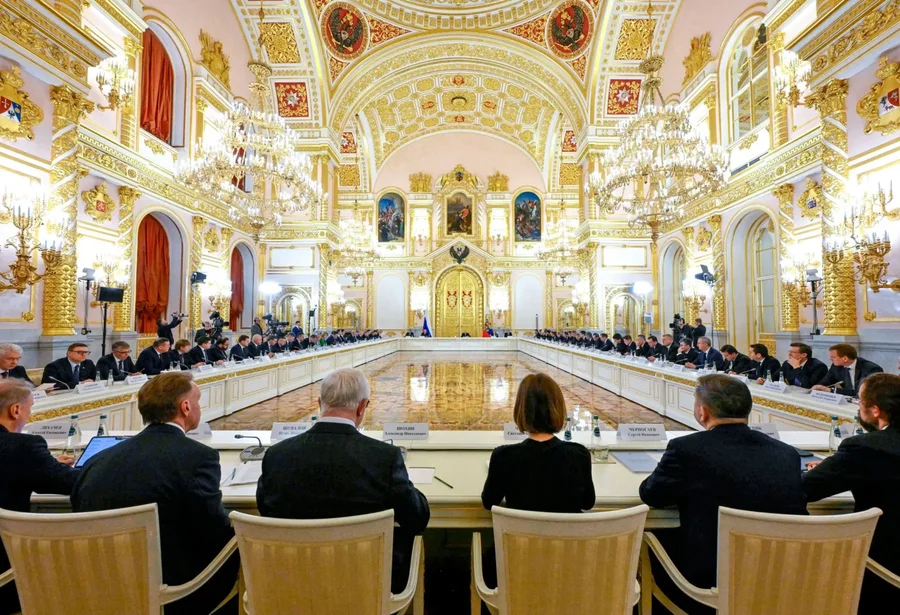
The main weakness of Vladimir Putin's system is not the fragmentation of the elite or the disintegration of Russia, but the regime's inability to renew itself and provide a stable succession mechanism...
When Western observers discuss threats to Vladimir Putin's regime, they usually focus on two scenarios: an elite split or the disintegration of Russia.
Both are highly unlikely today. The elite remains united around Putin, while Western sanctions have left its members with few alternatives. As for Russia’s many regions, the Kremlin combines strong control over local elites with tested mechanisms for rapid response to periodic crises. The regime itself remains stable, adaptable, and able to redistribute resources when necessary.
The regime’s weak spot lies elsewhere. As a long-term scholar of Russian elites and a former adviser to the Russian parliament, government, and presidency, I have studied the way Putin has transformed, centralized, and consolidated his power, especially after his full-scale invasion of Ukraine.
The regime's real weakness lies in its dependence on manual control and its inability to reproduce itself. The system of governance and elite recruitment built by Putin has no built-in mechanism for power succession and renewal. In essence, it is a one-time model.
As long as Putin can personally allocate resources, balance competing interests, and make key decisions, and as long as the layer immediately below him consists of associates he has known for 20–30 years or more, the system continues to function. The problem is that Putin and most of his closest associates are now in their 70s. Several senior figures, including two consecutive Supreme Court chief justices, have died in office.
The system Putin built has exhausted much of its potential. Unable to renew itself naturally, it needs a fundamental restructuring.
The rise of Putin loyalists
To avoid a sudden systemic collapse caused by a lack of new cadres, the Kremlin launched a large-scale reorganization at the beginning of Putin’s new presidential term in 2024–2025. These changes can be seen as the beginning of a special form of transition: the personalist leader remains in power, but radically changes the team around him and, with him, the broader political architecture.
Objektivi është ruajtja e pushtetit në duart e Putinit, ndërkohë që ndryshohet konfigurimi i sistemit politik. Presidenti rus po çlirohet gradualisht nga përgjegjësitë e menaxhimit të përditshëm, ndërsa ruan kontrollin përfundimtar. Klanet tradicionale të elitës po largohen nga pushteti real. Në vend të tyre nuk po vijnë pasardhës individualë, por grupe të tëra: përfaqësues të brezit të ardhshëm, ndihmës presidencialë, anëtarë familjesh dhe fëmijët e bashkëpunëtorëve afatgjatë të Putinit. Garda e vjetër po dobësohet, ndërsa grupe të reja, të verifikuara me kujdes dhe jashtëzakonisht besnike, po fitojnë ndikim.
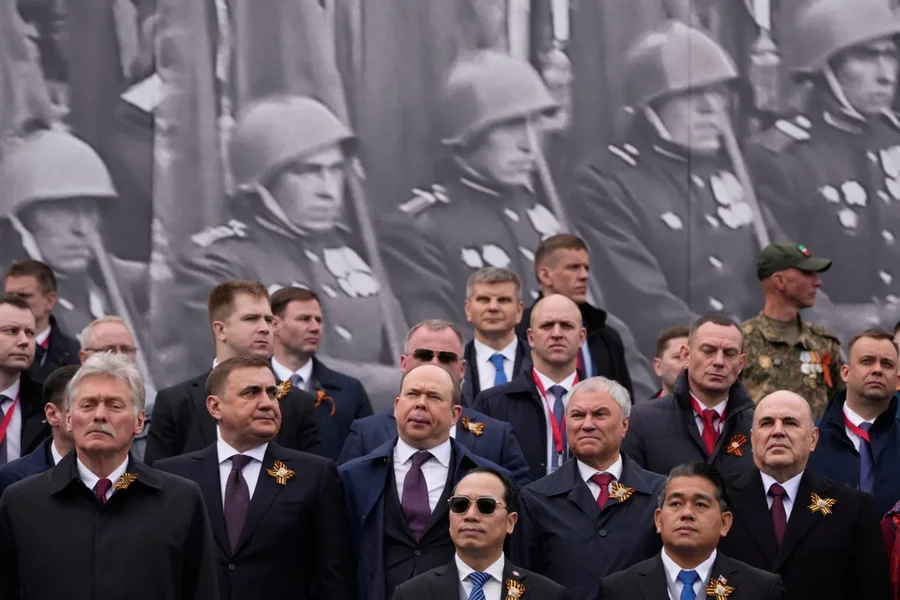
Sipas këtij modeli, Putini nuk do të largohet nga presidenca kur të përfundojë mandati i tij aktual. Në fakt, logjika e këtij tranzicioni përjashton shfaqjen e një pasardhësi të vërtetë. Në vend të kësaj, po formohet një lloj zëvendëspresidence kolektive nga anëtarë më të rinj të elitës, të cilët mbeten të varur nga Putini dhe të gatshëm të zbatojnë udhëzimet e tij. Vetë Putini do të ruante rolin e arbitrit suprem dhe strategut kryesor, përfshirë përmes Këshillit të Shtetit, i cili bashkon drejtuesit e institucioneve më të rëndësishme të qeverisjes në Rusi.
Tranzicioni që po zhvillohet aktualisht synon ta vendosë sistemin në një lloj “piloti automatik”. Putini, si patriark i sistemit, do të merrej vetëm me vendime strategjike: zhvillimin afatgjatë të forcave të armatosura, zgjerimin në Arktik, programet madhore hapësinore, projektet e mëdha infrastrukturore dhe marrëdhëniet me Perëndimin. Qeverisja e përditshme do t’u delegohej gjithnjë e më shumë bashkëpunëtorëve më të rinj dhe të besuar, të cilët do të vepronin brenda programeve dhe strategjive të miratuara më parë.
Projekti i Putinit mbart rreziqe të konsiderueshme
Kalimi drejt këtij modeli të ri po zhvillohet me faza. Riorganizimi i pushtetit ekzekutiv në vitin 2024 u pasua nga ristrukturimi i Gjykatës së Lartë dhe, më gjerësisht, i sistemit gjyqësor në vitin 2025. Gjatë këtij viti, Duma Shtetërore dhe potencialisht edhe Këshilli i Federatës, dhoma e lartë e Parlamentit, pritet të rinovohen, duke pasur parasysh numrin e madh të zgjedhjeve rajonale. Korporatat shtetërore, si në sektorin ekonomik ashtu edhe në atë të sigurisë, ka të ngjarë të jenë hapi i radhës. Deri në ciklin zgjedhor të vitit 2030, i gjithë sistemi qeverisës pritet jo vetëm të jetë rinovuar, por edhe të jetë testuar në praktikë.
Megjithatë, tranzicioni mbart rreziqe të mëdha. Putini ka nisur një proces kompleks dhe potencialisht të rrezikshëm në mes të një lufte, sepse alternativa, ruajtja e konfigurimit ekzistues pa rinovim, paraqet një kërcënim edhe më të madh për sistemin që ai ka ndërtuar. Nëse tranzicioni ka sukses, regjimi mund të bëhet më i qëndrueshëm. Por gjatë vetë procesit, cenueshmëria rritet në mënyrë të pashmangshme.
The weakening of traditional elite groups and powerful institutional networks will inevitably provoke resistance. To control this resistance, the Kremlin has increasingly relied on political repression within the elite. According to our estimates, repressive measures affect about 2–4 percent of the top federal elite each year. Excluding the Great Terror of 1937–1938, this percentage corresponds roughly to the average level of repression against elites during the period of Joseph Stalin.
These repressions function as a kind of anesthesia during a major political operation. But even anesthesia has its dangers. An overdose can paralyze the system; an insufficient dose can allow events to spiral out of control.
Any major external blow, military defeat, the end of a war, a large-scale terrorist attack, or a global economic crisis, could hinder or even derail the entire transition process. If that happens, Putin’s model may not be able to extend its life through controlled renewal. In that case, power would gradually shift toward a more technocratic system, elements of which are already visible at the middle and lower levels of the Russian state.
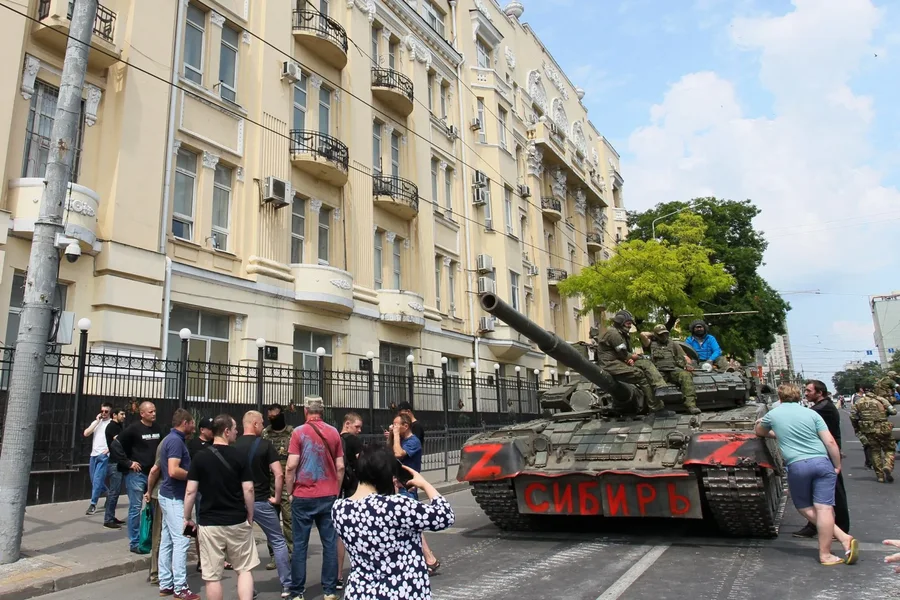
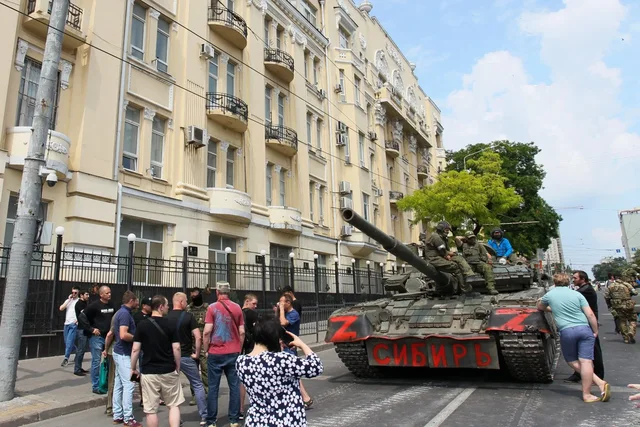
As Putin has increasingly concentrated control in his own hands, the effectiveness of key institutions has declined, while the risks associated with his eventual removal have increased. This becomes especially important during unexpected crises, such as the Wagner Group rebellion in 2023 or the Ukrainian incursion into the Kursk region in 2024.
Putin's system, highly resilient in the face of external pressures and well-known internal challenges, has now entered a phase of reconfiguration that includes generational changes within the ruling elite and redesign of the political system itself.
If this reconfiguration succeeds, the system, with Putin still at the helm, could gain another 10 to 15 years of life. If it fails, it could begin to unravel even while Putin remains alive.
The next two or three years will be crucial.
*Nikolai Petrov is an expert on Russian politics with a 40-year career in academic research, politics, and business. He served as an advisor to the Russian parliament, government, and presidential administration from 1990–1995. Before joining the NEST Centre, he was a visiting scholar at the Stiftung Wissenschaft und Politik in Berlin, where he focused on Russian domestic politics, its impact on foreign policy, and the functioning of the Russian political regime. He is also a consulting fellow in the Russia and Eurasia Program at Chatham House in London and directs the NEST Centre's research on Russian domestic politics, including the study of elites and decision-making processes.




Lini një Përgjigje