


 Shkruar nga Pamfleti
Oil production from OPEC member countries continued to decline in April, recording a total decline of over 30% since the start of the conflict with Iran in late February, according to the latest monthly report published by the organization.
At the same time, OPEC lowered its forecast for global oil demand growth in 2026, now estimating that it will reach about 1.2 million barrels per day, compared to the previous projection of about 1.4 million barrels per day.
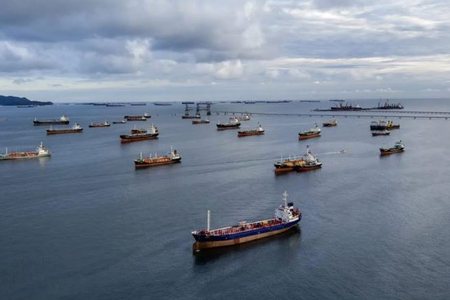
The organization attributes this review mainly to the pressure the international market is experiencing due to the drastic decline in oil flows from the Persian Gulf, following the blockade of the Strait of Hormuz by Iran.
According to OPEC data, the organization's production fell by 1.7 million barrels per day in April, following an even bigger drop of 7.9 million barrels per day recorded in March.
In total, production losses from cartel countries have already exceeded 9.7 million barrels per day since the start of the conflict, equivalent to more than 30% of OPEC's total production.
In parallel, the International Energy Agency (IEA), in its report published on Wednesday, estimated that total supply losses from Gulf producers have already exceeded 1 billion barrels.
According to the IEA, more than 14 million barrels of oil per day continue to remain off the international market due to the blockage of the Strait of Hormuz.
However, the organization emphasizes that the real difference between supply and demand remains more limited than expected, as the global oil market entered 2026 with excess supply.
According to the report, both producers and consumers are taking emergency measures to mitigate the impact of the energy crisis.
Saudi Arabia and the United Arab Emirates have already redirected some of their exports to alternative ports that avoid the Strait of Hormuz, while producers outside the Middle East — mainly the United States — have increased exports to record levels to make up for the shortage in the market.
State and commercial oil reserves are also playing an important role in stabilizing the market.
However, the IEA warns that global reserves are falling at an unprecedented rate, while supply losses from the closure of Hormuz continue to mount.
According to the organization's data, global reserves fell by 250 million barrels during March and April alone, or about 4 million barrels per day.
"With global oil reserves already falling at record rates, it is very possible that the market will face a new period of intense price volatility ahead of the peak of summer demand," the IEA warns in its report.
The Strait of Hormuz is considered one of the most strategic energy corridors in the world, as a large portion of global oil and gas exports from the Persian Gulf countries pass through it.
Escalating tensions between Iran and Western countries have heightened international concerns about global energy security, while markets continue to react with sharp price fluctuations and fears of possible supply shortages in the coming months.







Lini një Përgjigje