


 Shkruar nga David Luhnow & Marcus Walker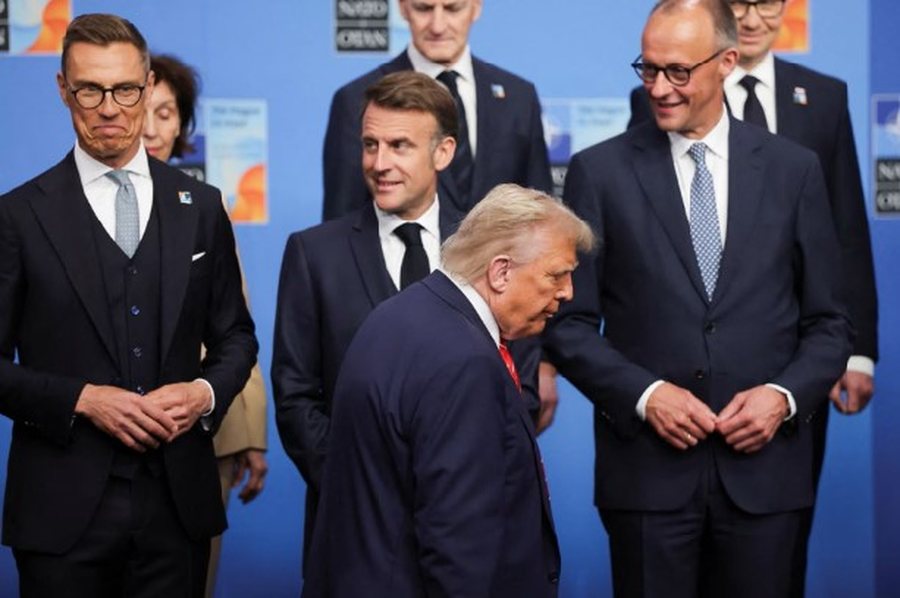
As the gap between Washington and European capitals widens, once-stalwart allies wonder whether transatlantic trust has now been irrevocably broken...
The Western alliance between the United States and its European partners has been the pillar of the global order since the end of World War II. United by a shared belief in freedom and democracy, this alliance prevented major global conflicts, defeated communism, and led the rise of world development.
Now, European leaders are wondering whether it is over. “What we once called the ‘normative West’ no longer exists,” German Chancellor Friedrich Merz, the leader of Europe’s most populous country, said recently during a meeting with business leaders in Berlin.
A few days later, the lifelong conservative and Atlanticist desperately called on Germans to put aside their nostalgia for the America they had known and loved for decades. “The Americans are now pursuing their interests in a very aggressive way. Germany should do the same,” he said.
A “cold winter wind” has swept across transatlantic relations, and many fear they may never recover, at least not fully. Merz and his European counterparts are waking up to a harsh reality: the US, at least under the current administration, no longer sees Europe as its essential partner in world affairs.
The White House is appearing increasingly hostile towards the continent, regularly using harsher language towards European democracies than towards traditional adversaries like Russia or China.
Clash of values
Part of this shift is driven by a fundamental disagreement over what the West represents. Many officials in the Trump administration believe that Europe is betraying Western civilization by allowing migration to erode its historical roots as a predominantly white, Christian region.
They also claim that European elites are pushing a diversity agenda by restricting free speech and political liberties. European leaders dispute this, pointing out that their countries regularly rank higher than the US in democracy indicators.
They argue that universal values should outweigh race or religion. They also worry that it is Washington itself that is abandoning Western values by cozying up to autocrats and making territorial claims against allies like Canada and Denmark.
From rhetoric to actions
Nuk janë vetëm fjalët ato që kanë tronditur Evropën, por faktet. Uashingtoni po kërkon me ngulm një marrëveshje gjeopolitike me Moskën, pjesërisht për interesa biznesi. Të dërguarit e presidentit Trump po i bëjnë presion Ukrainës që të pranojë lëshime territoriale.
Në kryeqytetet evropiane, zyrtarët e lartë kanë frikë se kjo do të destabilizojë rajonin dhe do të inkurajojë Rusinë. “SHBA-ja po heq dorë nga aleanca me Evropën dhe mbështet Rusinë agresore, ndërsa kjo e fundit po na kërcënon me luftë. Kjo qasje përfaqëson një shkëputje themelore nga e kaluara”- thotë Norbert Röttgen, një ligjvënës gjerman.
Ndërkaq, politikani francez Claude Malhuret është edhe më i drejtpërdrejtë: “Sot, në rastin më të mirë, Evropa është vetëm. Në rastin më të keq, ajo përballet me dy armiq: Rusinë dhe Trumpizmin.”
“Divorci” zyrtar dhe Siguria Kombëtare
Sulmet nisën që në shkurt me kritikat e ashpra të zëvendës/presidentit J.D.Vance, të ndjekura nga tarifat tregtare. Por tensioni arriti kulmin me botimin e Strategjisë së Sigurisë Kombëtare (NSS) të SHBA-së në dhjetor. Për shumë evropianë, ky dokument u lexua si një kërkesë për divorc.
Ai e kritikonte ashpër kontinentin për politikat e migracionit, duke vënë në dyshim nëse vende të tilla mund të mbeten “aleate të besueshëm”. NSS e shpall hapur Bashkimin Evropian si një “armik të sovranitetit kombëtar” dhe zotohet të mbështesë partitë anti-migrim në Evropë. “Kjo ngjan si një deklaratë lufte politike kundër BE-së”- thotë historiani britanik Timothy Garton Ash.
Historia dhe e ardhmja e një ideje
Koncepti i asaj që kuptohet me “Perëndim” ka ndryshuar ndër shekuj. Gjatë Luftës së Ftohtë, ai ishte sinonim i “botës së lirë”. Sot, ky koncept po përdoret si mjet në luftërat kulturore. Siç shprehet mendimtari bullgar Ivan Krastev: “Amerika ishte dikur Bota e Re që ikte nga shoqëritë e mbyllura të Botës së Vjetër. Tani ajo ndihet e tradhtuar sepse Bota e Vjetër po bëhet më shumë si Amerika (multikulturore)”.
Megjithatë, edhe brenda Evropës ka zëra që pajtohen me kritikat për rritjen e ngadaltë ekonomike dhe varësinë e tepërt nga SHBA-ja për sigurinë. “Nëse mbetemi të varur nga teknologjia dhe tregjet amerikane, do të kthehemi në vasalë”- paralajmëron ish-diplomati francez Jérémie Gallon.
Drejt një aleance transaksionale?
Besimi tek Neni 5 i NATO-s (mbrojtja e ndërsjellë midis vendeve anëtare të aleancës) po zbehet. Një oficer i lartë britanik e pranon se nuk i beson më verbërisht SHBA-së nëse Rusia do të mësynte në vendet baltike.
Historiani Andrew Roberts paralajmëron se kjo qasje e re “transaksionale” - që sheh koston e çdo gjëje dhe vlerën e asgjëje - rrezikon të shkatërrojë avantazhin më të madh të Amerikës: rrjetin e saj të aleatëve. Në fund, kjo përçarje i shërben vetëm Moskës dhe Pekinit.
As Roberts points out at the end: "America may be tired of being the global policeman, but China would be more than happy to become the world's secret policeman..." / Adapted from "Pamphlet" by "Wall Street Journal"





Lini një Përgjigje