


 Shkruar nga Pamfleti
Previous support for Trump is fading amid criticism of the war with Iran and the clash with the Pope.
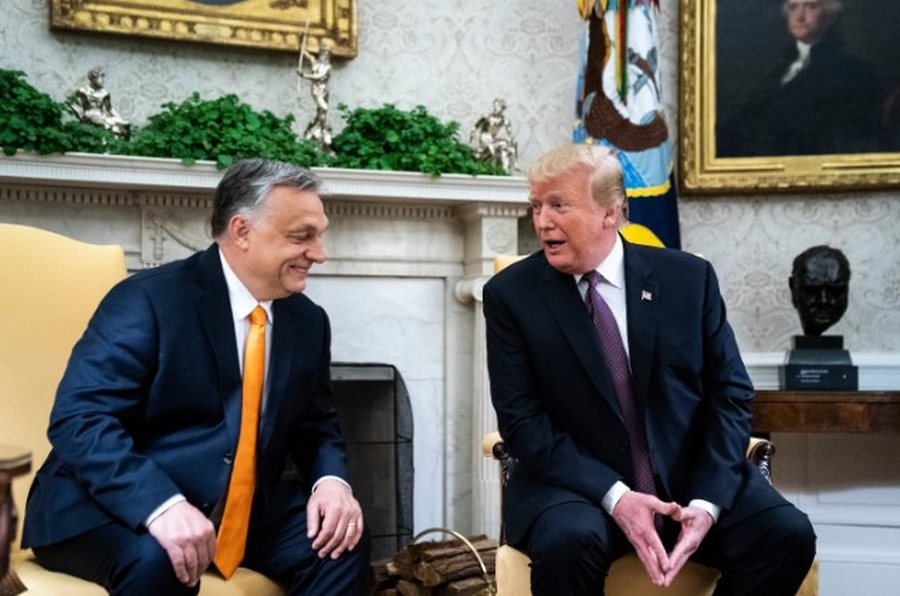
Even for European populist leaders known for their strong political stances, Donald Trump's actions seem to be going beyond acceptable limits. According to an analysis by The Washington Post, the relationship between the American president and European nationalists is facing a critical point.
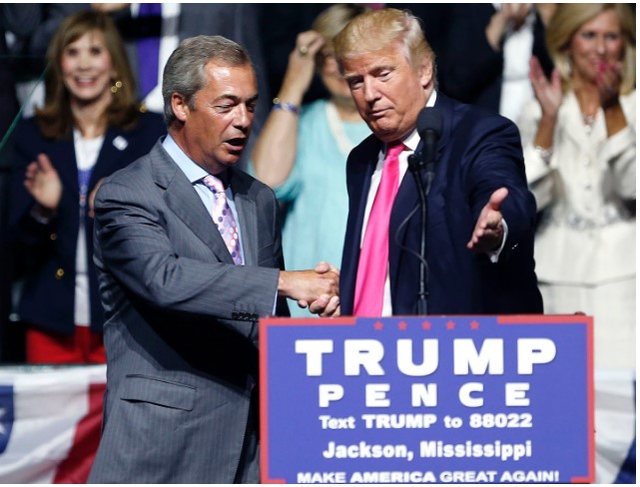
Nigel Farage, a leading Brexit figure and founder of the Reform UK party, was among Trump's most vocal supporters. He had hailed his return to the White House as "the beginning of a golden age." But that enthusiasm has waned.
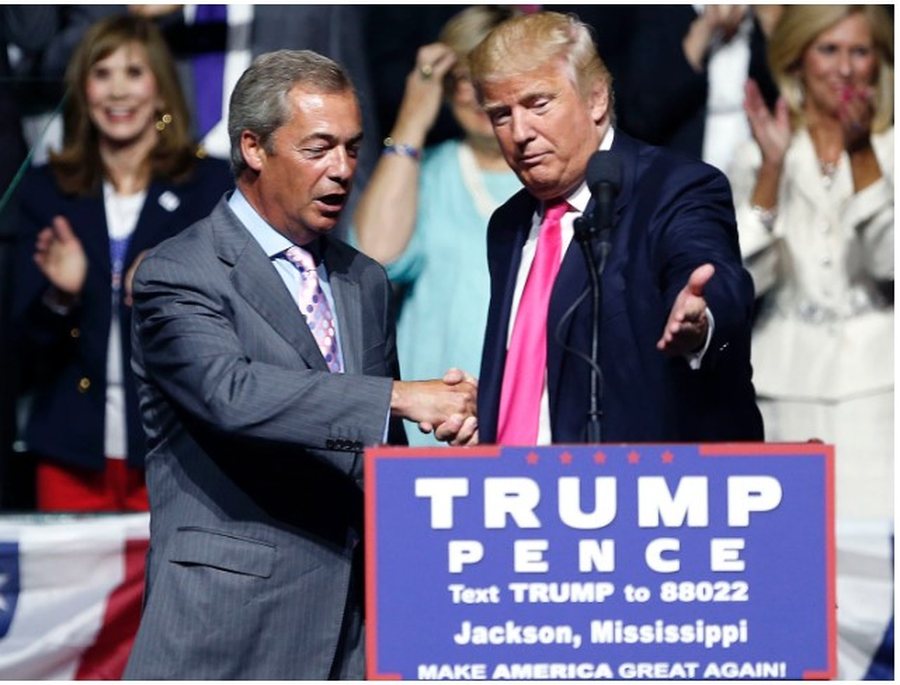
In an interview with the Financial Times, Farage distanced himself from Trump as the US-Israeli war on Iran has driven up prices in Britain. Although he initially supported attacks on Iran, he is now backing down in the face of public discontent, especially ahead of local elections on May 7. According to polls, support for Reform UK has fallen, partly due to what analysts call the “Trump effect.”
This phenomenon is not limited to Britain. Across Europe, nationalist leaders who once welcomed Trump's second term are reconsidering their positions. After about 15 months, the relationship between the MAGA movement and European nationalist parties is facing a serious crisis.
Pro-Trump politicians in countries such as Italy, France and Germany have been embarrassed by some of his policies, including trade tariffs on Europe, threats to Greenland and military intervention in Iran. Criticism has intensified, especially over the way the war was conducted and the harsh rhetoric, as well as verbal attacks on Pope Leo XIV.
Tino Chrupalla, co-chair of the German AfD party, accused the Trump administration of “possible war crimes” for its strikes on civilian infrastructure in Iran. While Alice Weidel, another AfD leader, declared that destabilizing the Middle East “is not in Germany’s interest.”
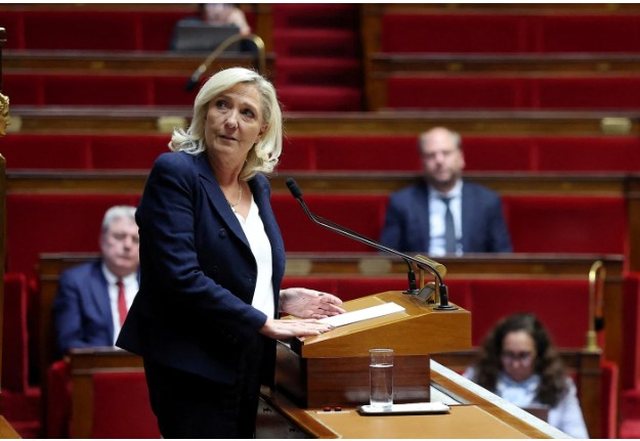
In France, Marine Le Pen criticized the “unclear” goals of the war on Iran and warned of serious economic consequences, especially for fuel prices. Meanwhile, Jordan Bardella, a leading figure on the French right, condemned what he called Trump’s “imperial ambitions.”
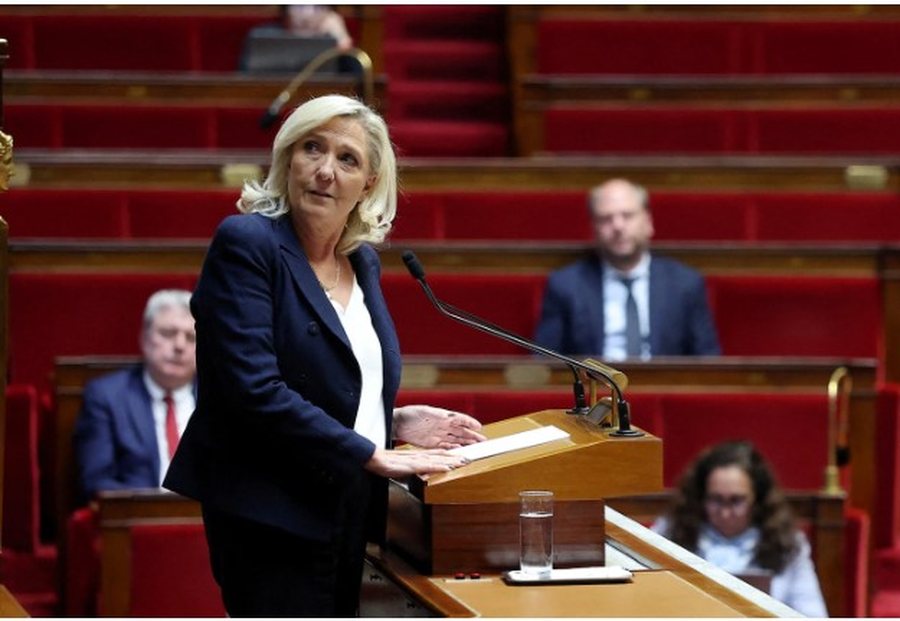
According to analyst Marc Lazar from Sciences Po, French public opinion is deeply critical of Trump, which limits the political space for open alliances with him.
Initially, Trump's return was seen as an opportunity for European nationalists, as his "America First" policy aligned with their demands for stronger borders and weaker European institutions. Vice President JD Vance also sharply criticized the European political elite, accusing them of restricting freedom of expression.
The US national security strategy even included support for nationalist parties as a foreign policy priority. However, according to analysts, these expectations have been dashed.
Political scientist Ivan Krastev emphasizes that Trump “is a nationalist who does not understand the nationalism of others.” While Mujtaba Rahman of the Eurasia Group assesses that the idea of an ideological cooperation between the US and European nationalists “has completely collapsed.”
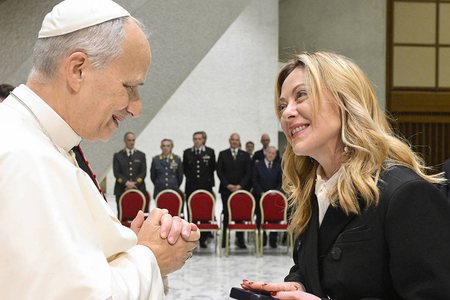
Another point of contention has been Trump's public clash with Pope Leo XIV. After the Pope's criticism of the war in Iran, Trump reacted sharply on social media, accusing him of political views.
This also brought reactions from his allies in Europe. Italian Prime Minister Giorgia Meloni called Trump's language towards the Pope unacceptable, while Matteo Salvini stressed that the Pope is a voice for peace.
The clash also appears to have repercussions in political relations. Trump openly criticized Meloni and other NATO leaders for their lack of support in the conflict with Iran.
Polls show that the perception of Trump in Europe is largely negative. According to YouGov, he has high disapproval ratings: 78% in France, 86% in Germany and 80% in Italy. A large proportion of Europeans consider him a threat to peace and security on the continent.
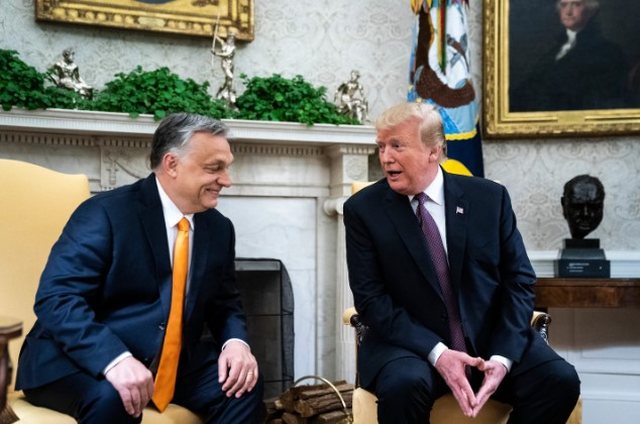
In this context, close ties with Trump are becoming a political burden for some European leaders. In Hungary, Viktor Orbán's relationship with Trump failed to prevent his election loss, where the economy and corruption were key factors.
According to 'The Washington Post', the relationship between Trump and European populists is entering a new phase, where national interests and public opinion pressure are weighing more heavily than ideological affinities.





Lini një Përgjigje