


 Shkruar nga Pamfleti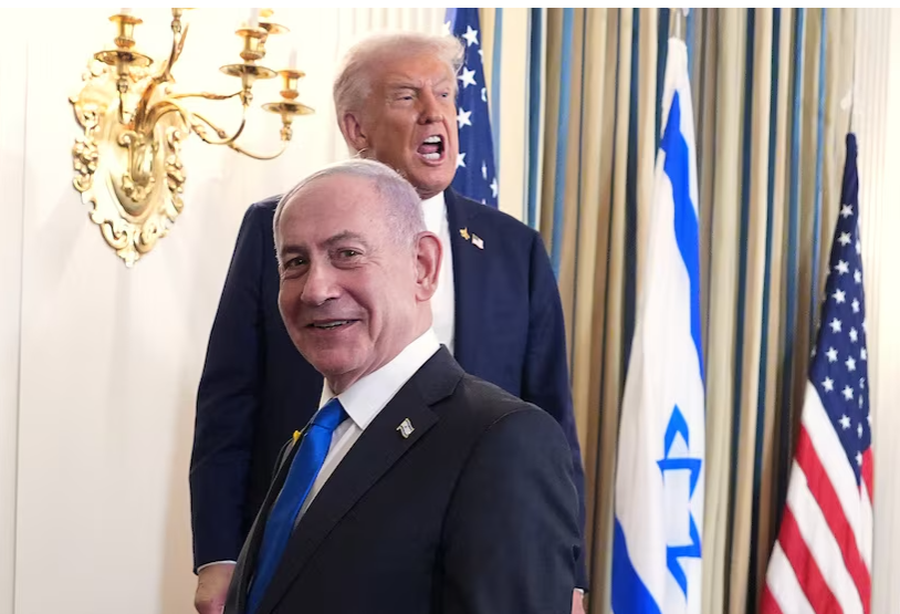
US President Donald Trump said his plan to end the war in Gaza was potentially one of the greatest days in the history of civilisation and one that could bring "eternal peace to the Middle East".
The hyperbole was characteristic. Yet his 20-point proposal, announced at the White House on Monday as Trump met with Israeli Prime Minister Benjamin Netanyahu, is still an important diplomatic step, even if it doesn’t quite live up to its exotic exaggeration.
The plan marks a shift in the Trump administration's stance on a post-war future for Gaza and adds more pressure than Washington has exerted this year on Netanyahu to accept a deal.
Whether this can become a reality in the coming weeks will depend largely on the same issues that have always been fundamental: whether both Netanyahu and the Hamas leadership now see greater benefits in ending the war than in continuing it.
Hamas's response to the proposal is not yet clear. A pessimistic assessment came from a Hamas figure, who previously told the BBC that the terms largely failed to protect Palestinian interests and the group would not accept any plan that did not guarantee Israel's withdrawal from Gaza.
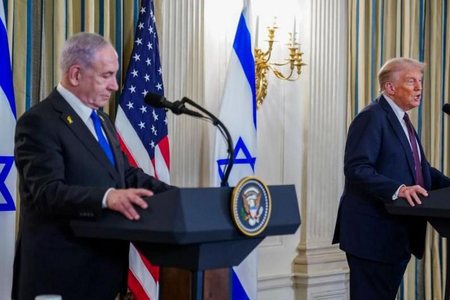
Netanyahu, standing next to the US president, said Israel accepted Trump's 20 principles, even though a leader on the far-right wing of his coalition had rejected some of them.
But simply accepting Trump's principles is not the same as ending the war. And while Netanyahu denies the charge, his domestic opponents say he has the right to interfere in a new deal if it endangers his political survival at home.

In that sense, the proposal may not be enough to achieve the progress Trump clearly wants. It still contains significant obstacles for the political constituencies of both Israel and Hamas, which could prevent them from reaching an agreement.
Also, there is enough ambiguity in the plan that each side may appear to accept it, while using the course of further negotiations to sabotage it, blaming the other side for its failure.
This has been a pattern throughout the months of negotiations. And if this happens, it is clear where the Trump administration will stand, on Israel's side.
Trump made this clear to Netanyahu, telling him on Monday that if Hamas did not agree to the proposal, then he would have "America's full support to do what he needs to do."
Edhe pse Trump e paraqiti këtë si një marrëveshje, në realitet ajo është një kornizë për negociata të mëtejshme ose siç e tha ai në një moment, një sërë "parimesh". Kjo është larg llojit të planit të detajuar që do të duhej të miratohej për t'i dhënë fund luftës.
Ajo është më e ngjashme me "kornizën" që paraardhësi i tij Joe Biden njoftoi në maj 2024 për të provuar të arrinte një armëpushim në faza dhe një marrëveshje për t'i dhënë fund luftës. Në atë rast, u deshën edhe tetë muaj të tjerë para se Izraeli dhe Hamasi të zbatonin një armëpushim dhe shkëmbim pengjesh dhe të burgosurish.
Çfarë do të thotë njohja e shtetit palestinez?
Trump dëshiron një marrëveshje paqeje "gjithçka në një", por kjo kërkon punë të konsiderueshme për të hartuar linjat e hollësishme të tërheqjes izraelite, detaje specifike rreth lirimit të pengjeve, identitetet e të burgosurve palestinezë që do të lirohen dhe kushtet specifike për qeverisjen pas luftës, ndër shumë çështje të tjera.
Asnjëra prej këtyre nuk është detajuar në planin e tij prej 20 pikash, dhe të gjitha kanë potencialin të prishin një marrëveshje paqeje.
Ky kuadër huazon nga propozimet e mëparshme, përfshirë planin saudito-francez të korrikut, dhe punën e fundit të bërë nga ish-kryeministri i Mbretërisë së Bashkuar, Sir Tony Blair, i cili do të ulej në "Bordin e Paqes" të kryesuar nga Trump, i cili do të mbikëqyrte përkohësisht drejtimin e Gazës sipas këtij plani.
Ai u hartua nga i dërguari i Trump, Steve Witkoff, dhe dhëndri i tij, Jared Kushner, pas konsultimeve me Izraelin, vendet evropiane dhe arabe, përfshirë ndërmjetësit Katar dhe Egjipt. Ai bën thirrje për ndalimin e luftimeve, tërheqjen e kufizuar të forcave izraelite dhe për lirimin e të gjithë pengjeve të mbetura nga Hamasi, të ndjekur nga lirimi i qindra të burgosurve palestinezë të mbajtur nga Izraeli.
Pastaj parashikon krijimin e një administrate lokale teknokratike në Gaza për të drejtuar shërbimet e përditshme, të mbikëqyrur nga "Bordi i Paqes" që do të ketë selinë në Egjipt.
Anëtarët e mbetur të Hamasit që "angazhohen për bashkëjetesë paqësore" dhe për çmontimin e armëve të tyre do të amnistohen dhe të tjerët do të dëbohen. Një forcë ndërkombëtare "stabilizimi" e krijuar nga SHBA-të dhe vendet arabe do të marrë përsipër sigurinë në Gaza, duke siguruar demilitarizimin e fraksioneve të armatosura palestineze.
Shtetësia palestineze përmendet, por vetëm në terma shumë të paqartë. Plani sugjeron që nëse Autoriteti Palestinez me seli në Ramallah reformohet, kushtet "mund të jenë më në fund në vend për një rrugë të besueshme drejt vetëvendosjes dhe shtetësisë palestineze".
Vendet arabe i shohin propozimet e Trump si një përparim të rëndësishëm për to. Pjesërisht sepse ato kanë hequr dorë nga plani i tij i shkurtit për "Rivierën" e Gazës, i cili do të kishte përfshirë zhvendosjen me forcë të palestinezëve.
They also have at least the mention of Palestinian statehood, even if there is no commitment to it.
And the US plan says that “Israel will not occupy or annex Gaza,” though without any similar promise for the occupied West Bank. This is a vital clause for Arab nations, even if contradicted by another line in the plan that says Israel will continue to keep its forces in Gaza’s “security perimeter.”
On the Israeli side, Netanyahu says the entire framework is consistent with his objectives to end the war. Namely, to see Hamas disarmed, Gaza demilitarized, and not create a future Palestinian state.
But it is still unclear whether the clauses on disarmament and Palestinian statehood will be accepted by parts of his government, or whether he can use this pressure to add to or "improve" the clauses.
European and Arab countries, led by France and Saudi Arabia, had spent the summer trying to revive the diplomatic track, shaken by Israel's behavior on the ground. This has only added to Israel's sense of international isolation, with Netanyahu still subject to an international arrest warrant from the International Criminal Court (ICC) for alleged war crimes in Gaza.
The Europeans saw a conflict spiraling out of control, with the extremes on both sides empowered, and they believed they could appeal to the remaining moderates for a two-state solution, their desired long-term shared future for Israelis and Palestinians.
And while that's not explicitly in the plan, they saw persuading Trump with a moderate proposal on Gaza as key.
The US framework is supposed to bring momentum back to the negotiations. But it will likely take many more weeks or more of painstaking work to develop it into something approaching what Trump says he can offer: a complete end to the war. / Adapted from BBC /


Lini një Përgjigje