


 Shkruar nga Pamfleti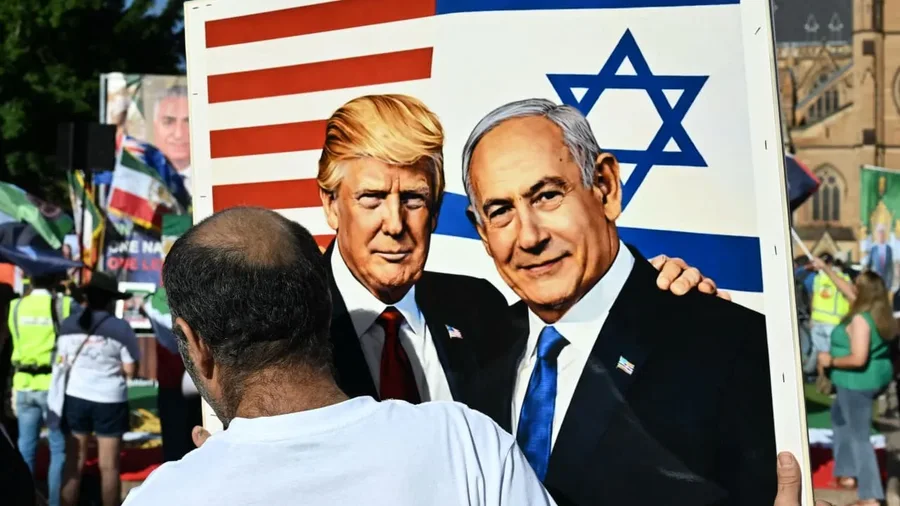
Three sources said that this conversation, along with intelligence information about a limited time opportunity to strike the Iranian leadership, influenced Trump's final decision to order the operation on February 27.
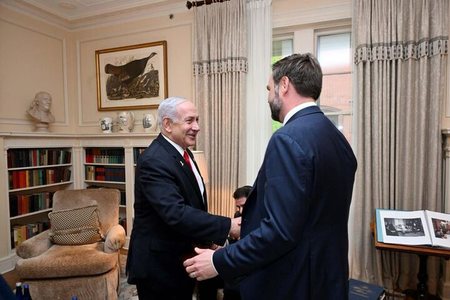
Less than 48 hours before the US-Israeli attack on Iran began, Israeli Prime Minister Benjamin Netanyahu spoke by phone with US President Donald Trump about the reasons for launching a complex and far-reaching war that the American leader had once campaigned against.
Both Trump and Netanyahu knew from intelligence earlier in the week that Iran's supreme leader, Ayatollah Ali Khamenei, and his top aides would soon meet at his compound in Tehran, making them vulnerable to a "decapitation strike," an attack against a country's top leadership that is often used by Israel but less often by the United States.
However, new information suggested that the meeting had been moved from Saturday night to Saturday morning, according to three people briefed on the call.
The call had not been previously reported.
Netanyahu, determined to push forward with an operation he had supported for decades, argued that there might never be a better opportunity to kill Khamenei and avenge previous Iranian attempts to assassinate Trump, these people said. These included an alleged Iranian-organized assassination plot in 2024, when Trump was a candidate.
The Justice Department has charged a Pakistani national with attempting to recruit people in the United States for the plan, which aimed to avenge Washington's killing of top Iranian commander Qassem Soleimani.
At the time of the call, Trump had already approved the idea of the United States conducting military operation against Iran but had not yet decided when and under what circumstances it would become involved, said the sources, who spoke on condition of anonymity because of the sensitivity of the discussions.
The US military had been beefing up its presence in the region for weeks, leading many officials to believe it was only a matter of time before the president made the decision to take action. A possible date had previously been pushed back due to weather conditions.
Reuters was unable to determine how Netanyahu's arguments influenced Trump's decision, but the call constituted a significant persuasive effort by the Israeli leader.
Three sources said that this conversation, along with intelligence information about a limited time opportunity to strike the Iranian leadership, influenced Trump's final decision to order the operation on February 27.
The bombings began on the morning of February 28. Trump announced that same evening that Khamenei was dead.
In a response, the White House stated that the operation was aimed at destroying Iran's missile and nuclear capabilities, weakening its naval forces and hindering its ability to support armed allies in the region.
Netanyahu's office and Iran's representative to the UN did not respond to requests for comment.
Netanyahu dismissed claims that Israel had pushed the US into the conflict, calling them "fake news."
Trump has publicly stated that the decision to attack was his.
According to Reuters reporting, Netanyahu presented arguments that may have influenced the American decision, including the possibility of regime change in Iran.
The operation was followed by Iranian counterattacks against American targets and their allies in the region, civilian casualties and a significant increase in oil prices./ Adapted from "Pamphlet"



Lini një Përgjigje