


 Shkruar nga Patrick Wintour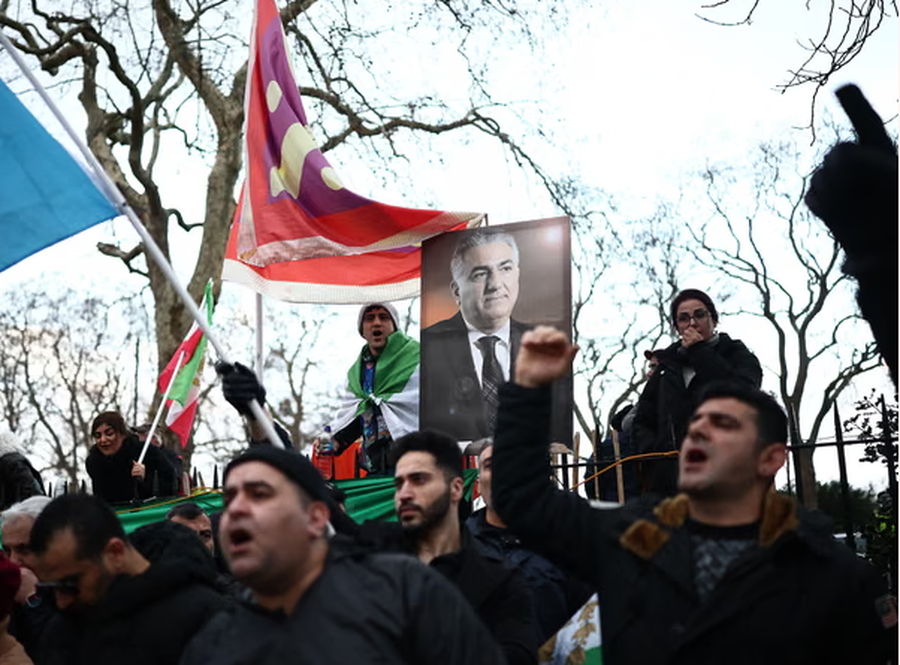
The failure to predict the fall of the Shah in 1979 was a diplomatic disaster, but experts see few signs of mass defections now...
When asked to predict whether cracks are emerging at the top of the Iranian state that could mean Ayatollah Ali Khamenei's days as supreme leader are numbered, Western diplomats embrace a terrifying demeanor, perhaps reminiscent of one of the greatest collective disasters of Western diplomacy.
Before the fall of the Shah of Iran in January 1979, unwary diplomats based in Tehran were sending cables to their capitals offering full assurance that Mohammad Reza Pahlavi's rule was completely secure. In September 1978, the US Defense Intelligence Agency, for example, reported that "the Shah is expected to remain actively in power for the next 10 years."
A State Department report suggested that "the chessboard would not have to be retired until 1985, at least."
Sir Anthony Parsons, then the UK ambassador to Tehran, sent a message to the Foreign Office dated May 1978, stating: “I do not believe there is a serious risk of the regime being overthrown while the Shah is in charge.”
Later, Parsons wrote a book, asking whether, as British ambassador, he could have “foreseen that the forces of opposition to the Shah, the religious classes, the merchants, the students, would unite to destroy him.”
He concluded that his inability to predict an event that he compared in importance to the French Revolution was not due to a lack of information, but to a failure to interpret the information correctly.
The experience of 1979 means that intelligence assessments now coming from Western embassies will begin with a warning and probably end with a question mark.
By contrast, academic experts on Iran see little sign today of the kind of mass defections from the regime that Reza Pahlavi, the former shah’s son, predicted. He recently claimed that 50,000 officers in the Islamic Revolutionary Guard Corps (IRGC) were preparing to defect, a claim he has since had to revise.
Vali Nasr, author of the book “Iran’s Grand Strategy,” told the Council on Foreign Relations (CFR), a US think tank, that “there is no sign of any defections from within the regime or that it is divided in any way. I’m not sure if the balance of power is necessarily with the protesters. The crowds win when the other side falls.”
Ray Takeyh, bashkëpunëtor i lartë i studimeve të Lindjes së Mesme në CFR, u pajtua, duke thënë se “kjo nuk është ende një lëvizje kombëtare. Ka shumë njerëz që nuk janë dakord dhe përpiqen të kuptojnë se cilën rrugë duan të ndjekin. Ata do të duhet të ndiejnë njëfarë imuniteti për të bërë siç bënë në vitin 1978.”
Është e vërtetë që përpara se të fillonte shtypja dhe përpara se të fillonin kërcënimet nga Donald Trump, kishin dalë në pah dallime në qasjen ndaj trajtimit të krizës, për shembull, midis presidentit reformist, Masoud Pezeshkian, dhe kreut të gjyqësorit, Gholam-Hossein Mohseni-Eje'i.
Në ditën e tretë të protestave, për shembull, Pezeshkian tha: “mos e ndiqni Amerikën dhe mos fajësoni askënd… Jemi ne ata që duhet t’i menaxhojmë siç duhet problemet tona; jemi ne ata që duhet të gjejmë një mënyrë për t’i zgjidhur problemet .” Edhe të dielën, pasi kishte filluar shtypja, ai i tha televizionit shtetëror: “ne i dëgjojmë protestuesit dhe kemi bërë çdo përpjekje për të zgjidhur problemet e tyre.”
Ndërsa protestat përhapeshin dhe u radikalizuan më shumë, strategjia e Pezeshkian për autokritikë dhe legjitimimin e protestave humbi ndaj atyre që thoshin se kjo ishte një krizë e sigurisë kombëtare. Qendrat e vërteta të errëta të pushtetit brenda Iranit, udhëheqësi suprem 86-vjeçar, IRGC dhe Këshilli Suprem i Sigurisë Kombëtare - vendosën qartë se pendimi duhej të merrte fund. Askush në krye të qeverisë nuk shprehu kundërshtim, për aq sa dihet.
Ishte e dukshme që personi kryesor që iu drejtua turmave në Sheshin e Revolucionit në Teheran të hënën nuk ishte Pezeshkian, por Mohammad Bagher Ghalibaf, kryetari i parlamentit dhe një ish-komandant i IRGC-së. Ghalibaf kërcënoi se do t'i vinte flakën rajonit, një paralajmërim i qartë se nëse Irani sulmohej, regjimi i konsideronte bazat amerikane në vende si Katari si objektiva legjitime. Ministri i jashtëm, Abbas Araghchi, në të kundërt, ka kaluar 18 muaj duke u përpjekur të forcojë marrëdhëniet me Dohën, Kajron dhe Riadin.
Mohammad Ali Shabani, redaktori i respektuar i faqes së internetit Amwaj, tha se historikisht në Iran protestat kanë çuar në një ribalancim të regjimit në favor të represionit. Shefi i gjyqësorit, për shembull, tani po bën thirrje për ndëshkim të shpejtë të protestuesve.
Disa nga figurat më me përvojë të IRGC-së në Iran, përfshirë shefin e saj, Hossein Salami, u vranë në sulmet e Izraelit në qershor, por etosi i tyre mbetet. Është e vërtetë që lehtësia e prerjes së kokës nga Izraeli në qershor bëri që IRGC të humbiste një pjesë të prestigjit të saj në shoqëri, por brezi i ri i udhëheqësve të emëruar shpejt nga udhëheqësi suprem janë të prerë nga e njëjta pëlhurë ideologjike.
Për më tepër, figura të larta në qeveri deri më tani janë bashkuar rreth mesazhit se forcat e sigurisë nuk kishin zgjidhje tjetër veçse të përballeshin me një kryengritje të frymëzuar nga Izraeli.
The violence that erupted in Iran on Thursday and Friday is being portrayed as the 11th and 12th days of the US-Israeli assault in June. With newspapers heavily censored or unavailable, stories that challenge this narrative are not easily accessible to many Iranians, except through word of mouth.
But if it is confirmed that around 2,000 people have been killed, this represents a qualitatively different level of repression from previous convulsions.
There is a palpable sense of shock from officials. There are also private admissions that this is an unsustainable way of governing and the underlying problems need to be understood even if reforms include confronting the banks and the IRGC's dominance of the economy.
It is these economic reforms that challenge Iran's elite that could create a real rift at the top of the government - which is why they have always been postponed.
Takeyh warned that the status quo was no longer sustainable: “the regime has created a cycle because the underlying causes of dissent, economic mismanagement, corruption, foreign policy disasters that have cost billions, and lack of opportunity, cannot be addressed by the regime.”
One way or another, it is this impasse, once the mourning is over, that will need to be addressed. /Adapted from The Guardian /


Lini një Përgjigje