


 Shkruar nga Pamfleti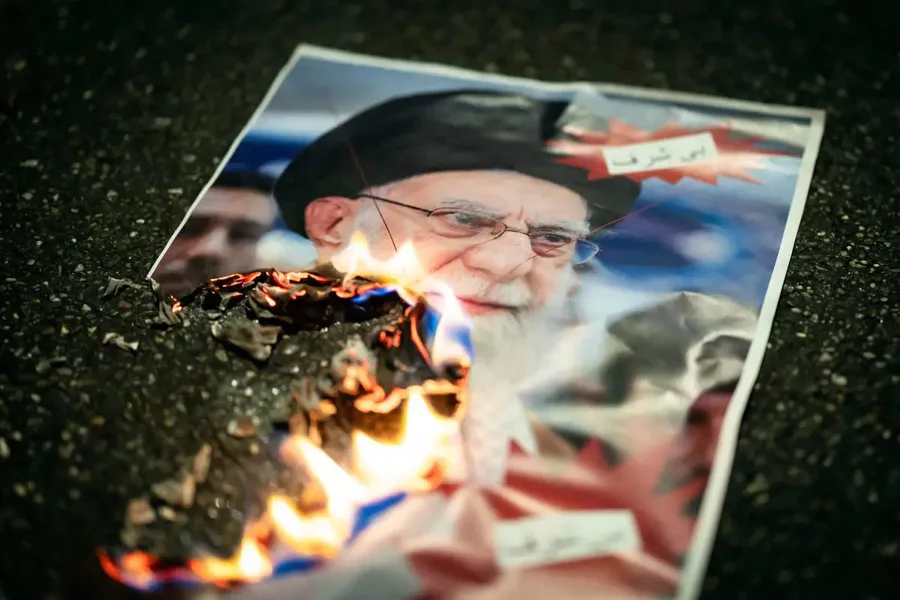
The Pentagon has finalized potential intervention plans. But the aircraft carrier Gerald Ford is missing. Fears of an unsustainable move that could further exacerbate the chaos in Tehran remain...
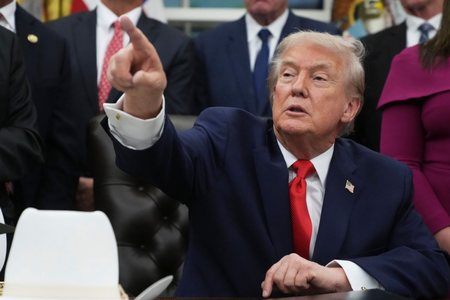
"Help is on the way. Take control of the institutions." Donald Trump's appeal to the Iranian opposition suggests that intervention options are already on the table in the Oval Office. And even Russia's warning of a possible "catastrophe" is unlikely to be enough to stop them.
Pentagon and intelligence officials finalized their plans, presenting the White House with a range of possible actions. From the "strong" ones requested by the President to purely demonstrative ones designed to offer a glimmer of hope to protesters after last week's massacres. But the options are complicated by problems, both political and military.
The spokesman for political issues is number two JD Vance, always attentive to the moods of a world, aware of Trump's promise to avoid the "endless" wars in which his predecessors were involved.
The military problems are no less serious. The transfer of the aircraft carrier Gerald Ford and its naval squadron to the Caribbean has left Washington without an independent platform from which to direct the Iranian operation.
This is no small problem. Moreover, the bases in Qatar and Iraq are not without their challenges.
The first is being within range of Iranian missiles, a problem that was already faced last June when the ayatollahs' nuclear warheads struck Qatar. Not to mention that neither the Emirates nor Iraq seem enthusiastic about following the US in this operation. They fear an unfinished business that would leave them at the mercy of the Islamic Republic. Or worse, a beheading of the regime followed by chaos capable of destabilizing the entire region.
All of these reasons lead many analysts to be cautious. Also, countermeasures must be prepared to respond to attempts to strike American bases in Iraq, or worse, in Israel.
This last possibility is particularly troubling to the CIA. It is concerned about a reaction from Netanyahu that would allow Tehran to exploit the ever-effective theme of an Israeli-backed war. These variables, according to Vance, risk turning the raid into a quagmire and locking America into a medium- or long-term conflict.
This is also why many in the Pentagon are proposing to wait for the arrival of a naval squadron before resorting to violent measures. Meanwhile, Donald Trump cannot break his promise to protect the protesters. The death toll of a crackdown that has resulted in thousands of deaths in just a few days represents an open challenge to the President's words. Therefore, the White House may opt for an immediate but gradual response, accompanied if necessary by some form of negotiation.
In this scenario, the United States could simply launch cyberwarfare operations, blinding the forces involved in the repression, cutting their lines of communication, and securing the opposition's Starlink connections.
But if negotiations fail, cyberwarfare would pave the way for massive raids on nuclear plants, bunkers used by regime leaders, and Pasdaran barracks. However, even the most drastic option leaves a troubling question mark. So far, American intelligence has been betting on the ability of the Shah's son, Reza Pahlavi, to push certain parts of the army and police forces to defect.
What if Pahlavi's promise is not fulfilled and the protesters fail to overthrow the regime?
In this case, the responsibility for sending them into battle would inevitably fall on the President's shoulders. /Adapted from Il Giornale /





Lini një Përgjigje