


 Shkruar nga Pamfleti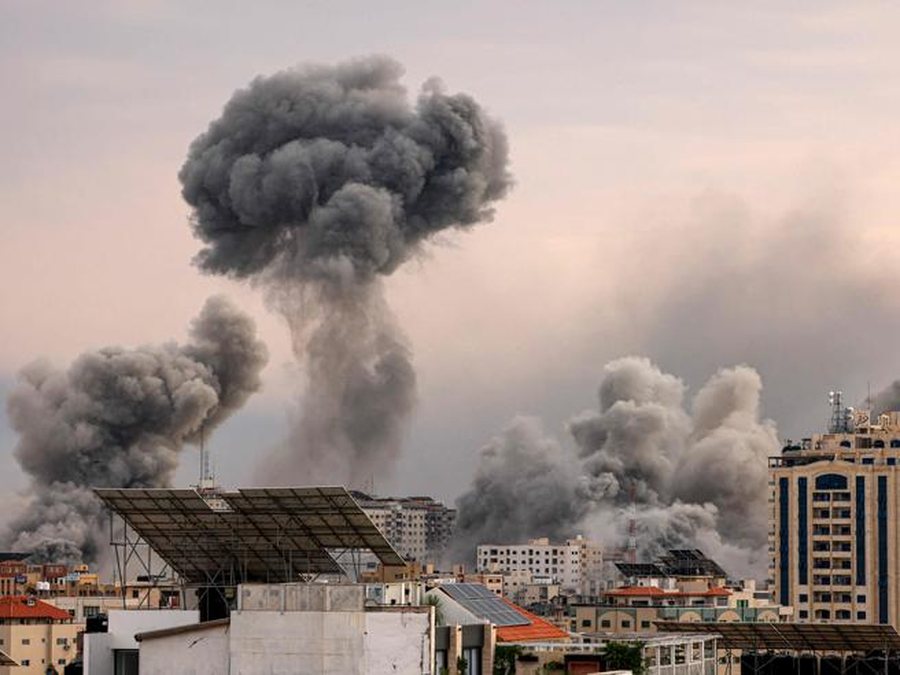
The idea was to embarrass the Arab leaderships who cooperated with Israel, which for some time has been following the strategy of parallel agreements...
Why did Hamas decide to attack now, and why did it not face substantial obstacles? Also what will happen now?
"Foreign Affairs" interviewed Martin Indyk, two-time US ambassador to Israel, as well as former US President Barack Obama's special envoy for Israeli-Palestinian negotiations from 2013 to 2014.
" The attack was a complete failure of the Israeli defense system. Sophisticated spying systems and a border wall have long secured the Israeli government. Moreover, they were sure that Hamas would not dare to attack because the Palestinians would turn against them for starting another war. "Approximately 19,000 Palestinian workers entered Israel every day from Gaza, and this allowed mutual benefits, economic for the Palestinians and fiscal for Israel ," he said.
But why now? " We have to consider the context. The Arab world is coming to terms with Israel. Saudi Arabia is talking about normalizing relations with Israel. As part of this potential deal, the United States is pressuring Israel to make concessions to the Palestinian Authority, the enemy of Hamas. So this was an opportunity for Hamas and its Iranian backers to derail the whole process. A mistake was to bring out the negotiations of the agreement with Riyadh in the open, instead of communicating it as a proven fact, as was often done in the past ," he continued.
Hamas has decided to cut off a path that was "gaining a lot of consensus among the Arab populations." The idea was to embarrass Arab leaderships cooperating with Israel, which for some time has been pursuing a strategy of parallel agreements (in the delusional hope that by removing the Palestinian issue, it would end up irrelevant). Israeli retaliation is not only expected, but somewhat hoped for: When the Palestinian issue comes back to the fore and Arabs across the Middle East watch American weapons in Israeli hands killing large numbers of Palestinians, it will cause a reaction very strong. And leaders like Saudi Arabia's Crown Prince Mohammed bin Salman will be reluctant to stand up to this kind of opposition."
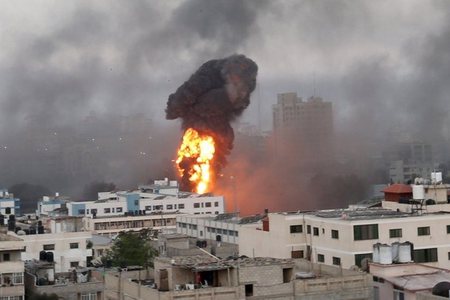
Israel's expected response is a ground invasion. Which presents some problems. Civilian casualties " would shift the blame onto the United States and Israel ." And then, when Gaza is occupied, what do we do with it? Let us remember that the Israelis have already withdrawn from Gaza in 2005 and do not want to return.
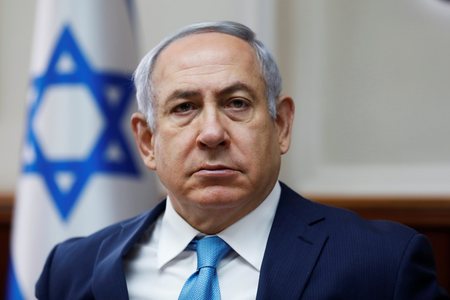
Netanyahu, according to Indyk, is "very cautious when it comes to war" and his main goal is to return to the status quo ante, i.e. the situation before the attack. But Hamas will hardly give up escalation: " Because the objective is to convince Israel to react massively and escalate the conflict, with a revolt in the West Bank and Jerusalem and attacks by the Lebanese Hezbollah ".
Te Kjo e fundit ata janë më të rrezikshmit: “Kanë 150 mijë raketa që mund të bien mbi qytetet kryesore të Izraelit dhe kjo do të çojë në një luftë totale jo vetëm në Gaza, por edhe në Liban. Dhe të gjithë do të tërhiqen në atë situatë”. Sigurisht, Arabia Saudite, Egjipti, Jordania dhe vendet që nënshkruan Marrëveshjet e Abrahamit me Izraelin – Emiratet e Bashkuara Arabe dhe Bahreini – kanë të gjitha një interes të madh për arritjen e një armëpushimi. Sepse sa më gjatë të vazhdojë, aq më e vështirë do të jetë për ta të mbajnë marrëdhënie me Izraelin.
Pastaj është situata e brendshme. Netanyahu mban përgjegjësi të madhe për situatën (kështu ka shkruar edhe Haaretz) dhe tani "e vetmja mënyrë për të shpenguar veten" dhe për t'i bërë njerëzit të harrojnë mëkatet e tij, "është të hidhet në konflikt". Por për të është gjithashtu një mundësi: ai mund, me një qeveri të unitetit kombëtar, të margjinalizojë ekstremistët, duke bashkuar vendin.
Së fundi, paralelja me luftën e '73, e njohur si lufta e Yom Kipurit. Pastaj vendet arabe sulmuan Izraelin në befasi dhe u mundën. “Por bota arabe ende e sheh atë luftë si një fitore. Për shkak se Egjipti dhe Siria arritën të kapnin ushtrinë izraelite në befasi, ata ia dolën të kalonin kanalin e Suezit dhe të përparonin në lartësitë e Golanit. Që Hamasi të demonstrojë, 50 vjet më vonë, se mund të bëjë të njëjtën gjë, do të jetë një nxitje e madhe për pozitën e tij në botën arabe”. Një ndryshim është se Anëar Sadat, presidenti egjiptian, bëri luftë për të arritur paqen. Hamasi ka nisur ofensivën për të shkatërruar Izraelin dhe nuk ka interes të arrijë një kompromis. Për Indyk, qëndrimi i Izraelit para vitit 1973 ishte arrogant: “The same arrogance has appeared again in recent years. Many had warned that the situation with the Palestinians had become volatile, but they thought the problem was under control. Now all their assumptions are shattered, just like in 1973. " / Adapted "Pamphlet" from "Corriere della Sera"







Lini një Përgjigje