


 Shkruar nga Pamfleti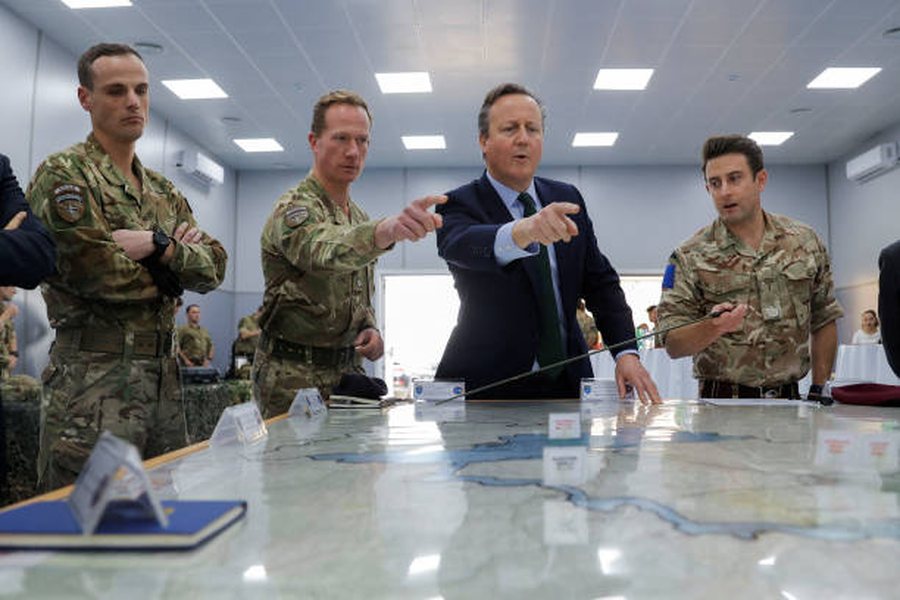
A wave of anxiety has gripped European defense ministers and armed forces as politicians and military leaders believe Donald Trump, a NATO skeptic, could be chosen as the next US president and that Russia cannot be forced out or to be defeated in Ukraine. This has prompted growing warnings that Europe could be embroiled in a war with Russia even though Moscow is currently focused on Ukraine.
At the same time, tensions in the Middle East have continued to rise. Israel's assault on Gaza continues, hostilities with Hezbollah, the Iran-backed group in Lebanon, are growing, and the US and UK have attacked Houthi-controlled areas in Yemen to stop shipwrecks in the Red Sea.
What are politicians and generals saying?
Admiral Rob Bauer , head of NATO's military committee, said last week that "we should not take for granted that we are at peace". He further added that NATO is preparing for a conflict with Russia and terrorist groups if necessary. Soon the largest military alliance will start the biggest exercise in decades, which will involve 90,000 troops.
Britain's Defense Secretary, Grant Shapps, used even harsher language, arguing that the post-Cold War peace is over and that the UK and its allies are "moving from a post-war world to a pre- war". According to him, it is time for rearmament to protect Europe from "Putin's fury".
On the other hand, Boris Pistorius, the German Minister of Defense, gave an interview last week. He suggested that while a Russian attack does not seem likely at the moment, experts expect it could be possible for a period of five to eight years.
Norway and Sweden issued similar warnings last month.
Just an intimidation by the military who want more money?
Planning for war, a distant emergency… In fact, this is what armies do, and there is always pressure from generals and defense ministries to spend more. But it must be understood that the war in Ukraine, which will be two years old next month, is depleting ammunition reserves in the West.
Meanwhile, it looks increasingly likely that the US Congress will not vote on a new $61 billion military aid package for Ukraine, as Republicans increase pressure for a "quid-pro-quo" deal to increase security on the US southern border.
Armët e dhëna deri më tani Ukrainës nga Perëndimi, ku përfshihen edhe tanket gjermane Leopard 2, ato britanike, Challenger, 2, automjetet luftarake amerikane Bradley, raketat me rreze të gjatë veprimi, municionet apo predha artilerie, kanë dështuar që të bëjnë një goditje në frontin rus. Në të ardhmen nëse ndihma amerikane do të ndalojë si pasojë e bllokimit në Kongres, ajo që do të duhet të luftojë për të plotësuar hendekun është Europa.
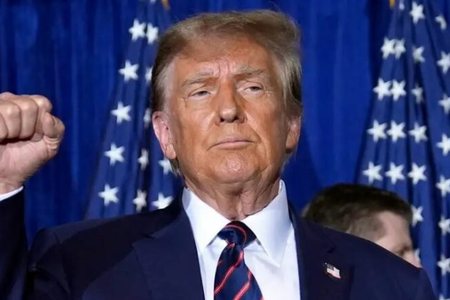
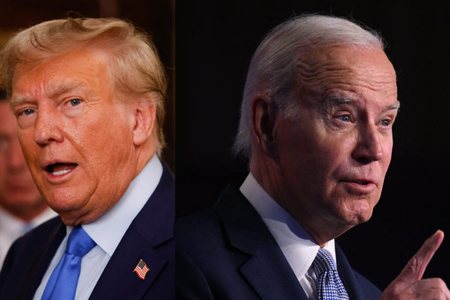
Ekspertët kanë frikë se pa SHBA-në, Rusia mund ta kthejë gradualisht situatën. Në të njëjtën kohë, Donald Trump duket se do të triumfojë mes kandidatëve republikanë pas fitoreve në Iowa dhe New Hampshire. Ndërkohë në Europë mbeten kujtimet e presidencës së tij, mes pyetjeve rreth afërsisë së marrëdhënies së tij me Putin dhe kërcënimit të tij në samitin e NATO-s në vitin 2018 se SHBA mund të “dalë vetëm” dhe të largohet nëse vendet e tjera nuk shtojnë shpenzimet e tyre ushtarake.
Çfarë do të thotë kjo për NATO-n?
Udhëheqësi i Partisë Popullore Europiane në Parlamentin Europian, Manfred Weber, përdori një intervistë në Politico të enjten për të promovuar idenë se BE-ja duhet të marrë përsipër nga NATO-ja mbrojtjen e kontinentit, duke propozuar “një shtyllë europiane të mbrojtjes”. Sipas tij, kjo shtyllë duhet të përfshijë një “ombrellë bërthamore” e siguruar nga Franca, i vetmi shtet i armatosur bërthamor në BE.
“Kur e shikoj këtë vit si një politikan europian, gjëja e parë që më shkon në mendje është Trump”, tha ai.
Mes politikanëve në BE po flitet për nevojën e krijimit të një komisioneri të mbrojtjes së BE-së, por realiteti është se ky manovrim nuk ka gjasa të zëvendësojë NATO-n, ku ka anëtarë të tjerë me ushtri më të mëdha si Turqia, SHBA-ja dhe Britania e Madhe. Anëtarët e NATO-s ka më shumë mundësi të përpiqen të qetësohen dhe të durojnë një presidencë të Trump siç bënë në vitin 2016.
A mund të ketë vërtet një luftë më të gjerë me Rusinë?
Gjenerali Sir Patrick Sanders, kreu i ushtrisë britanike, sugjeroi se ushtria profesionale e Mbretërisë së Bashkuar është shumë e vogël për t’u përballur gjatë në një luftë gjithëpërfshirëse me Rusinë dhe se do të duhet një “ushtri e qytetarëve” për ta fituar një të tillë duke lënë të kuptohet për një rikthim rekrutimi në rast të një emergjence të plotë. Megjithatë ky skenar u hodh poshtë nga Dowining Stres si një rast hipotetik “jo i dobishëm”. Vendet e tjera europiane si Letonia dhe Suedia kanë ringjallur të gjitha format e shërbimit ushtarak ndërsa Pistorius tha në Dhjetor se “ai po shikonte të gjitha opsionet”.
But it is not at all clear whether Russia, no matter how aggressive Putin wants it to be, can have the capacity to attack NATO member countries. It is estimated by Western intelligence that some 315,000 Russians have been killed or wounded in Ukraine, and Moscow's forces have repeatedly failed to break their smaller neighbor. Anxiety about US support may be real, but the Russian threat doesn't seem that strong./ Taken from The Guardian


Lini një Përgjigje