


 Shkruar nga Pamfleti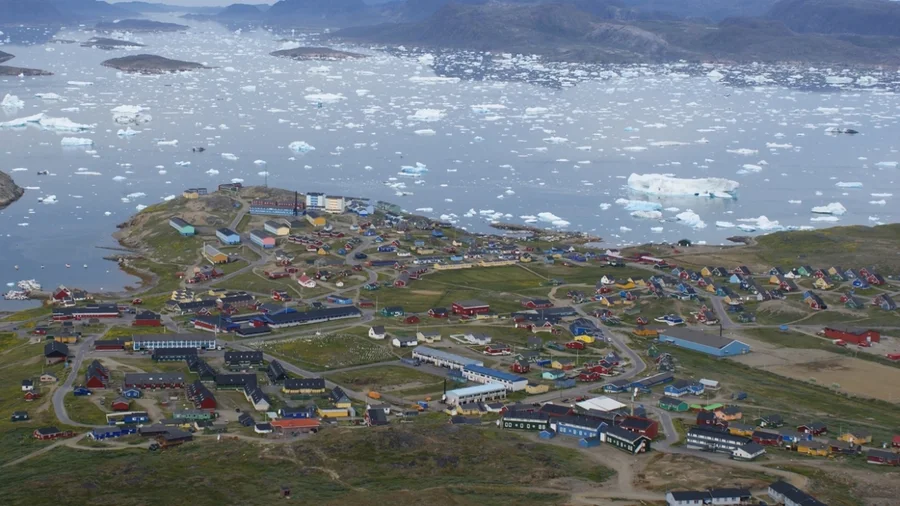
US, China and an Inuit community in battle for control of Greenland's strategic assets
In southern Greenland, where fjords meet ice and colorful houses face harsh Arctic winds, lies the village of Narsak, a settlement of about 1,300 inhabitants, mainly halibut fishermen. Until a few years ago, this remote corner of the world was not mentioned on the global geopolitical map. But hidden beneath its surface is a treasure that could change the international balance.
In the Kvanefjeld mountain, near the village, lies the world's second largest deposit of rare earth minerals and one of the largest reserves of uranium, essential elements for the defense industry, the green transition and the technological dominance of the future. For this very reason, Narsak has become a target of great powers.
China in the Arctic: Trojan Horse or Strategic Player?
Beijing has been acting quietly but with a clear plan. Through the company Shenghe Resources, it has taken significant control of Greenland Minerals, the firm that holds the rights to exploit Kvanefjeld. For China, this was not just a business matter; it was a strategic gateway to the Arctic.
In 2018, China offered to build three international airports on a landlocked island — a project with huge implications. It also tried to buy the abandoned naval base of Grønnedal. The American reaction was immediate. Washington put the phones in Copenhagen on the line, and in the end, Denmark blocked everything by taking over the financing of the projects itself, to avoid Chinese influence.
America vs. Huawei, aid and investment diplomacy
After the intervention in the infrastructure, the battle for telecommunications began. Huawei was excluded from building networks and Ericsson was chosen instead. The US offered financial assistance to Greenland, sending a clear message: the Arctic is not a neutral zone.
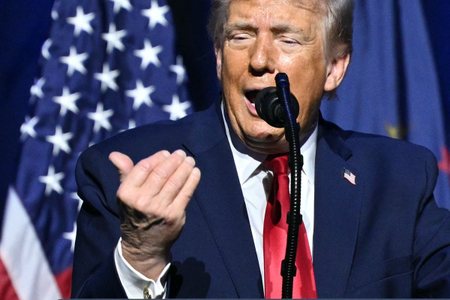
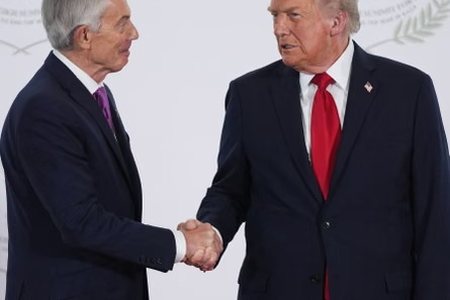
In August 2019, US President Donald Trump declared that he wanted to buy Greenland – a statement that was derided as absurd. But it was essentially a preemptive geopolitical move. Trump knew that if China took control of Greenland’s natural resources, it would gain strategic access to the North Atlantic and a military technological advantage.
Inuit revolt and uranium rejection
But in April 2021, the tide turned. In Greenland, the last word belongs to the local parliament. The Inuit Ataqatigiit party, led by Múte B. Egede, stood up in defense of the environment: “No to uranium.” For the Inuit community, it was not a matter of ideology, but of existence. Radioactive dust threatened the fjords and fishing – the country’s main export. In the elections, the people had their say: the mining project was stopped and China lost its biggest bet in the Arctic.
2025: A more pragmatic Greenland
The US welcomed the decision, but did not lower its vigilance. It reopened its consulate in Nuuk and intensified contacts. However, in 2025, the elections brought another change. The people, tired of stagnation, elected Jens-Frederik Nielsen from the Democratic Party – a pragmatic politician, open to the mining industry, but cautious.
Nielsen did not bow to either the US or China. Instead, he used Denmark as a shield to negotiate from a position of strength. /Pamphlet



Lini një Përgjigje