


 Shkruar nga Pamfleti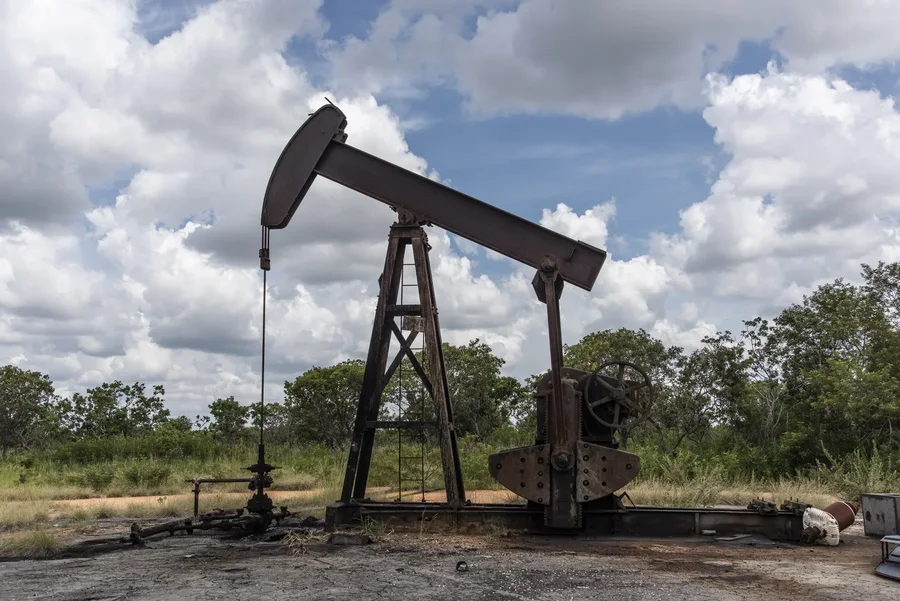
Here are the problems of the oil industry in Venezuela...
US President Donald Trump has declared that he intends to "take control" of Venezuela's oil reserves and release them onto the global market, following the "overthrow" of President Nicolas Maduro from power.
But according to energy experts, real benefit from this Latin American country's vast reserves is fraught with major obstacles: from dilapidated infrastructure and legal hurdles, to political uncertainty in Caracas and overproduction of oil on the world market.
Venezuela has the world's largest oil reserves, estimated at 303 billion barrels, but currently produces only a tiny fraction of that wealth. In November last year, production was about 860,000 barrels per day, less than 1% of global output, compared with 3.7 million barrels per day during its peak in the 1970s.
The decline of the oil industry is attributed to a combination of US sanctions and years of mismanagement, lack of investment and corruption under Maduro and his predecessor, Hugo Chavez.
Experts say that even if the Trump administration were to lift sanctions to increase production in the short term, returning Venezuela to its former production levels would require colossal investments and years of work.
Rotten infrastructure and lack of personnel
Scott Montgomery, an energy expert at the University of Washington, told Al Jazeera that Venezuela's infrastructure is in a deplorable state due to a lack of maintenance.
" The state-owned company PDVSA is known for corruption and lack of expertise. Many of its qualified personnel have left the country to work abroad ," he stressed.
From Berlin, energy and geopolitical analyst Thomas O'Donnell estimated that a return to peak production could be achieved within 5 to 7 years, but only in the best-case scenario – which would include a peaceful transition of power and internal stability.
"In the long term, yes, Venezuela could become one of the world's largest oil producers. But it all depends on how the transition is managed, security and investment guaranteed," O'Donnell said.
Trump, between contradictory statements and great ambitions
On Saturday, Trump declared that the US would "run" Venezuela and that American oil companies were ready to invest billions of dollars to rebuild the dilapidated infrastructure and "flow" oil into the market.
On Sunday, Secretary of State Marco Rubio tried to soften the tone, saying Trump was referring to "policy direction" and encouraging private investment, not direct control of oil wells.
Later, Trump himself said that the US is "in charge" of the situation in Venezuela and is in contact with members of the "interim administration," without providing further details.
International law does not recognize American "ownership" of Venezuelan oil
Under international law, the US has no legal claim to Venezuela's reserves. Sovereign states, under the United Nations principle of "Permanent Sovereignty over Natural Resources," have the right to manage their own resources.
However, foreign investors can seek compensation if governments seize their assets. ExxonMobil and ConocoPhillips won $1.6 billion and $8.7 billion, respectively, in international courts after nationalizations by the Chavez government in 2007. But the government in Caracas has not paid these damages.
Currently, Chevron is the only American oil company operating in Venezuela, thanks to a sanctions exemption granted during the Biden presidency.
According to analysis by the Norwegian company Rystad Energy, to restore production to the level of the 2010s (around 2 million barrels per day), Venezuela will need at least $110 billion in investments in the energy sector.


Lini një Përgjigje