


 Shkruar nga Pamfleti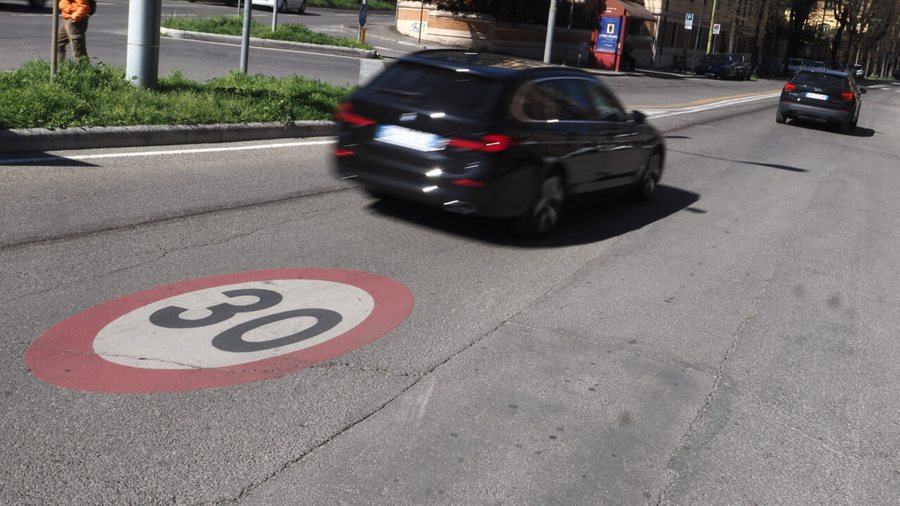
There is a city where, thanks to a speed limit of 30 km/h, excellent public transportation, and roads designed for pedestrians and cyclists, it has managed to do what others would find impossible: eliminate deaths from road accidents.
City authorities and police confirmed this week that Helsinki has had no fatalities in the past twelve months. As reported by Finnish newspaper Yle News, the last fatal accident in the Finnish capital occurred in early July 2024, in the Kontula neighborhood. Since then, there have been no deaths, and authorities are calling the situation "extraordinary."
"Many factors contributed to this result, but speed limits are among the most important," explained Roni Utriainen, traffic engineer at the city's Urban Environment Division.
Slower roads, safer roads
According to Utriainen, more than half of Helsinki's roads now have a speed limit of 30 kilometers per hour, while 50 years ago, most roads had a speed limit of 50 kilometers. Just at the beginning of the summer, the city of almost 700,000 residents decided to lower the limit to 30 kilometers even near all schools, a measure that will come into effect with the start of the new school year.
Urban planning is also making a difference, with streets increasingly designed for pedestrians and cyclists. Helsinki has invested heavily in infrastructure for pedestrians and cyclists. "Public transport in Helsinki is excellent, which reduces car use and, consequently, the number of serious accidents," added Utriainen.
In addition, cooperation with traffic police, the use of cameras and automatic traffic control systems has increased. Vehicle technology has also improved significantly, making both cars and other means of personal transportation safer.
Data shows significant improvement
The positive trend extends to non-fatal accidents as well. Last year, there were 277 accidents resulting in injuries, compared to nearly a thousand per year in the late 1980s, when road deaths reached 30 per year. The city’s current plan, valid for the period 2022–2026, prioritizes the safety of children, young people, pedestrians and cyclists, with interventions in pedestrian crossings, smart intersections and data collection using advanced traffic monitoring tools.
"The improvement is the result of decades of continuous efforts," Utriainen explained. "The trend has been positive for years," he added, noting that Helsinki had not recorded any pedestrian deaths in 2019. According to Utriainen, road safety education has also improved, but the credit for this "belongs to all road users - drivers, cyclists and pedestrians."
A recent challenge, however, is that of electric scooters.
"They became popular about 5 years ago, quite suddenly. But since then, many solutions have been introduced," said the engineer.
Vision Zero: The EU's target by 2050
The European Union's goal is zero road deaths by 2050, a strategy known as Vision Zero, which in Finland does not seem like an impossible dream. "For us, it's not so much about the goal itself," Utriainen concluded, "but how it guides our daily actions. We evaluate all decisions based on their long-term impact."








Lini një Përgjigje