


 Shkruar nga Pamfleti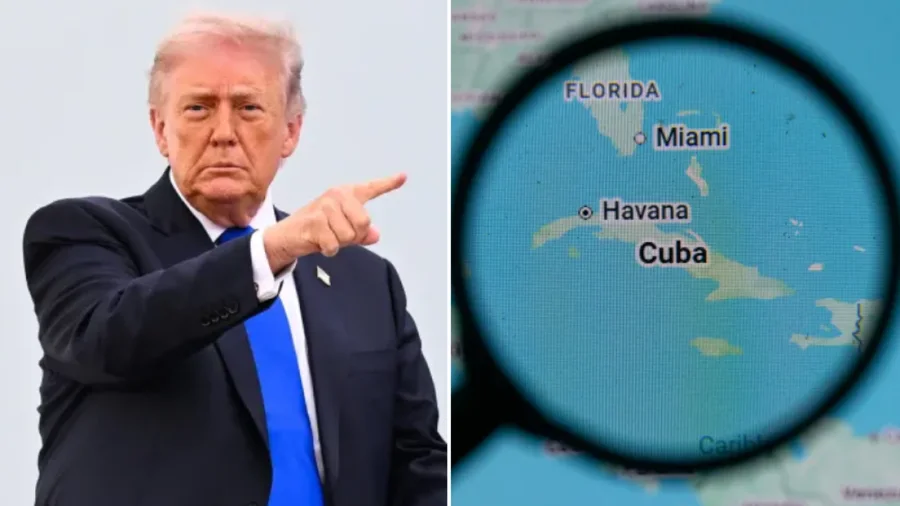
The American president wants to be the one to finally overthrow one of the US's oldest adversaries.
Donald Trump's regime change strategy is entering its third chapter, while the second chapter is still being written, rewritten, and contested in real time.
What began in a compound in Caracas, Venezuela, a path built in the shadows by American special forces and presidential ambition, continued toward Tehran. Now, increasingly, it seems to be leading toward Havana, Cuba. First came Venezuela: the extraordinary operation that removed Nicolás Maduro from power and transferred him to the United States, where he ended up in the same prison that once held figures like Jeffrey Epstein and Sean Combs.
Then came Iran: a war launched with rhetoric of speed and decisive victory, but which instead exposed the dangers of strategic overconfidence and a White House that vacillated between maximalist rhetoric and improvised diplomacy.
Now, signs are piling up around Cuba.
The clearest signal, though not the only one, came this week with the publication by the US Department of Justice of an indictment against Cuba's 94-year-old former president, Raúl Castro, charged with murder in connection with the downing of military aircraft decades ago.
Even taken in isolation, this case would constitute a serious escalation of tensions between Washington and Havana. But in the context of Trump's increasingly aggressive policy toward the island, it has become clear that Cuba is the next destination of a US operation, in one form or another, designed not only to pressure the government, but ultimately to destabilize or overthrow it.
The symbolism was also significant. The indictment was published on May 20, a date that Cuba celebrates as the birth of the republic. Perhaps a coincidence, perhaps not.
At about the same time, the aircraft carrier USS Nimitz sailed for the southern Caribbean, a deployment that was widely interpreted as another layer of pressure on the Cuban regime.
In fact, signs of Trump's intentions toward Cuba have been apparent for months. The US has tightened sanctions, intensified efforts to restrict oil supplies to the island, and pursued a campaign of economic pressure so strong that it has deepened fuel shortages and general instability.
In another political era, such developments would dominate the headlines. But in the perpetual turbulence of Trump’s America, where crises come and go in a matter of hours, some of these major strategic shifts have struggled to sustain attention for even a single news cycle.
However, their consequences remain very real.
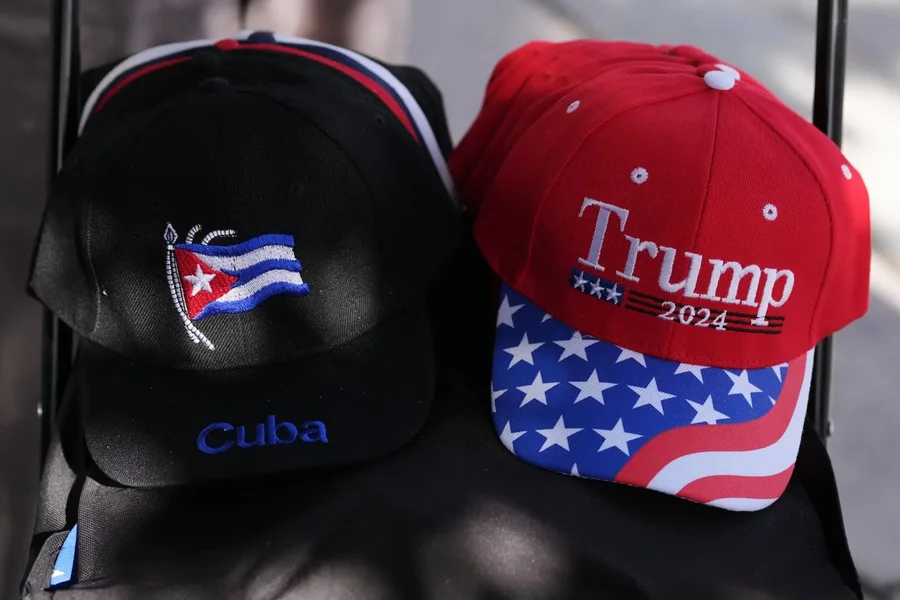
Ekonomia tashmë e brishtë e Kubës është përkeqësuar më tej, ndërsa frika për mungesa dhe trazira është shtuar. Dhe, për t’i bërë edhe më të qarta synimet e tij, Trump ka hedhur personalisht idenë e një “marrjeje miqësore” të Kubës, një shprehje që shumë e konsideruan si provokim tipik të një presidenti, retorika e të cilit shpesh e zbeh kufirin mes politikës, performancës dhe kërcënimit të drejtpërdrejtë.
Për Trump, një fitore në Kubë, çfarëdo forme që të marrë, do të përfaqësonte më shumë sesa një sukses politik afatshkurtër. Ndryshe nga ndryshimi i regjimit në Teheran, apo edhe në Venezuelë, një transformim në Havana do të nënkuptonte zgjerim të ndikimit amerikan në kontinentin amerikan, duke kënaqur të njëjtin instinkt për afirmim territorial dhe gjeopolitik që qëndronte pas interesit të tij për Groenlandën.
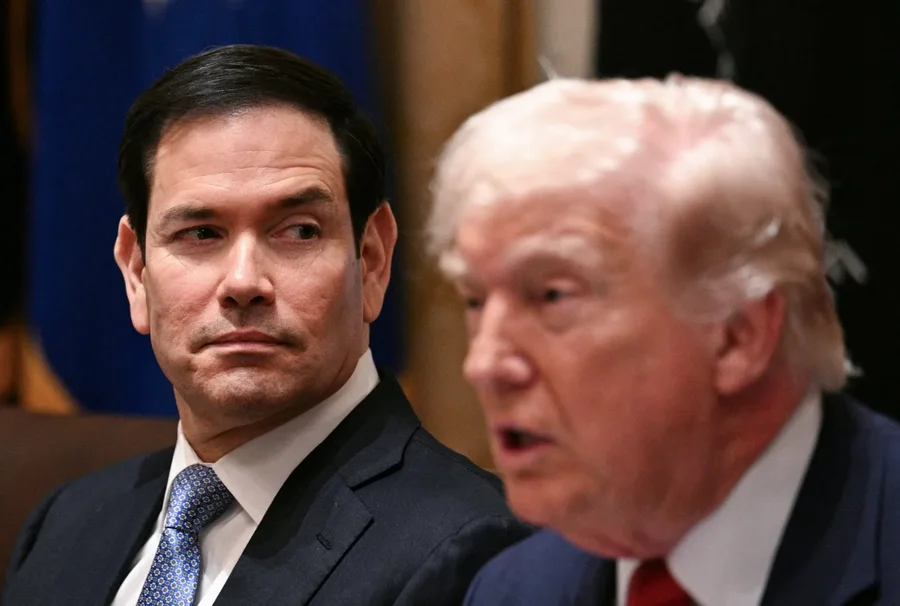
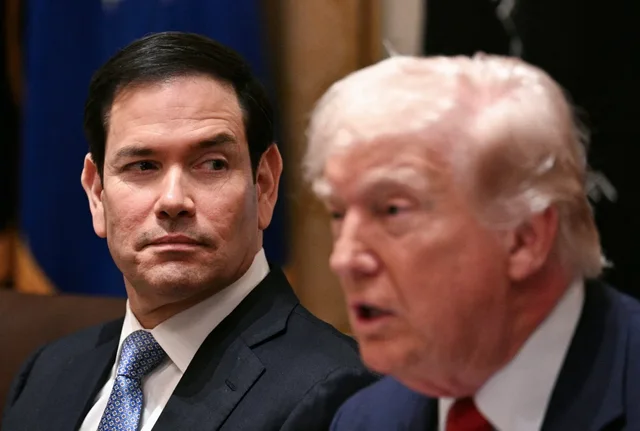
Për Sekretarin amerikan të Shtetit, Marco Rubio, çështja duket edhe më personale.
Ai është djali i emigrantëve kubanë dhe ka ndërtuar një pjesë të madhe të identitetit të tij politik mbi Kubën dhe kundërshtimin ndaj qeverisë komuniste të saj. Prej vitesh, Rubio argumenton se Havana nuk përfaqëson thjesht një kundërshtar ideologjik, por një sfidë të drejtpërdrejtë strategjike për Shtetet e Bashkuara. Gjithnjë e më shumë, ai duket si figura që po shtyn administratën Trump drejt entuziazmit për ndryshim regjimi në ishull. Më herët këtë javë, ai e përshkroi sërish Kubën si një “kërcënim për sigurinë kombëtare” të SHBA-së.
Si mund të ndikojnë dështimet e Trump në Iran në strategjinë e tij ndaj Kubës
E ashtuquajtura “marrje miqësore” e Kubës mund të interpretohet në disa mënyra: shtrëngim ekonomik, destabilizim i brendshëm, kapitullim i negociuar ose diçka shumë më direkte. I pyetur këtë javë për mundësinë e përdorimit të forcave amerikane për të nxjerrë Castro-n nga Kuba, Trump u përgjigj në mënyrë të paqartë: “Nuk dua ta them këtë.”
Por ajo që dikur mund të tingëllonte si ide e pabesueshme, madje absurde, tani duket si një opsion i qartë, duke pasur parasysh suksesin e operacionit amerikan në Venezuelë. Kërcënimet ndaj armiqve të SHBA-së janë kthyer gjithnjë e më shumë në modelin operacional të projektimit të fuqisë në epokën Trump. Venezuela e provoi këtë. Irani e përforcoi.
Megjithatë, Irani ekspozoi edhe kufijtë e SHBA-së.
Operacioni atje qartësisht nuk është zhvilluar siç e kishte imagjinuar Uashingtoni. Dy muaj e gjysmë pasi Trump e shpalli misionin “shumë të plotë, pothuajse të përfunduar”, ai mbetet larg përfundimit.
Fitorja e shpejtë që dikur sugjeronte Shtëpia e Bardhë i ka lënë vendin një situate shumë më të paqartë. Negociatat në Islamabad nuk arritën të prodhonin përparimin që shpresonin zyrtarët amerikanë, ndërsa përpjekjet për të siguruar një dalje përmes diplomacisë së fshehtë gjithashtu kanë dështuar.
There are lessons here for Washington. Despite the precision weapons, satellite intelligence, and technological superiority of modern warfare, conflicts continue to obey an old rule: Wars are often much easier to start than to end.
The resolution of the “Cuban problem,” as perceived by the US administration, gives Trump the opportunity to turn public attention back to his favor. But even for a president instinctively drawn to the dynamics of the news cycle, it now seems that the political stakes are greater than mere spectacle.
Nearly two years into his second term, faced with low approval ratings at home and the growing prospect of strategic failure in Iran, the opportunity to secure a dramatic foreign policy victory much closer to American shores has obvious political appeal. A successful reshaping of Cuba would not only help consolidate current support, but would give Trump the opportunity to define his legacy by restoring and expanding American influence in his own hemisphere.
While keeping all options open for Cuba, it seems clear that Washington's hope is that domestic pressure will lead to the collapse of the government there and the arrival of a new leadership, more friendly to the "America First" policy.
However, it remains unclear whether Washington intends to wait for some kind of resolution in Iran before fully focusing on Cuba or whether the increasing pressure on Havana is part of a more urgent effort to restore the White House's political momentum.
But to argue, as some do, that Cuba would serve simply as a distraction from Iran, just as many commentators saw the war as a distraction from the Epstein dossier scandal, is to underestimate the scale of the administration's ambitions.
Because the truth may be simpler. In fact, the evidence suggests that for the Trump administration, sooner or later, the road from Venezuela would always lead to Havana. /Adapted from The iPaper /




Lini një Përgjigje