


 Shkruar nga Pamfleti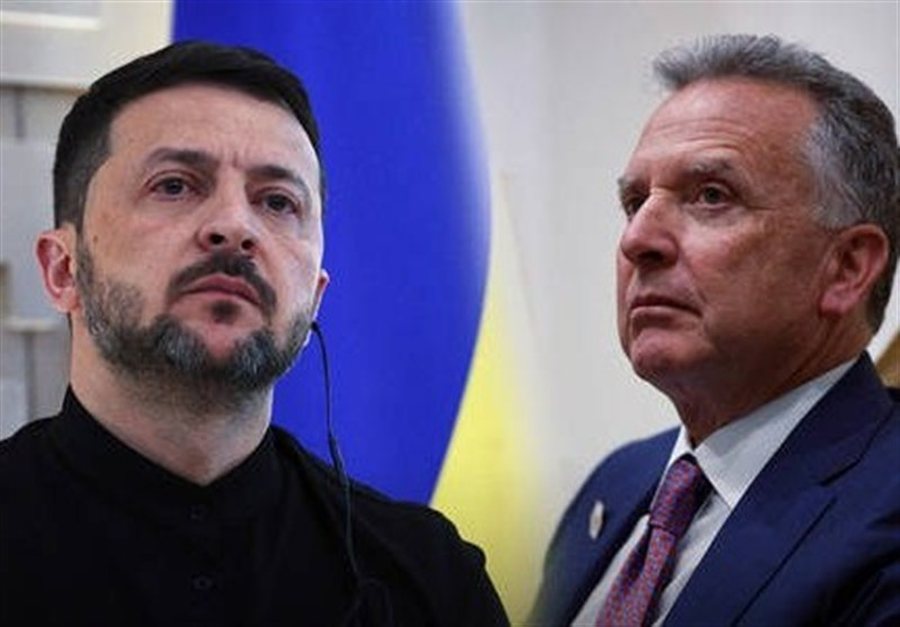
Ukrainian President Volodymyr Zelensky is expected to meet this weekend in Berlin with White House foreign policy envoy Steve Witkoff, as well as several European leaders, for the latest round of high-level talks on efforts to end the war.
According to The Wall Street Journal, the meeting is expected to be attended by British Prime Minister Keir Starmer, French President Emmanuel Macron and German Chancellor Friedrich Merz. Witkoff, who has led the Trump administration's efforts to mediate between Kiev and Moscow, will discuss the latest version of the peace agreement.
The BBC reports that the Trump administration is aiming to have a deal ready by Christmas, following several rounds of talks in recent weeks with Ukrainian and Russian representatives. However, there is still no sign of major progress.
One of the most complicated issues remains the fate of territory in eastern Ukraine. Kiev refuses to hand over illegally occupied land, while Moscow insists it will take the entire Donbas region by force if Ukraine withdraws. The latest White House proposal envisions the Ukrainian military withdrawing from the region, which would be turned into a “special economic zone” and a demilitarized zone. Zelensky has publicly opposed the idea, asking what would stop Russia from advancing or infiltrating civilians.
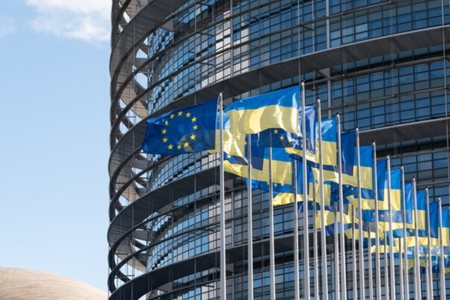
Meanwhile, Ukraine has submitted to Washington a revised draft of a 20-point peace plan, which also includes a proposal for the country's rapid accession to the European Union. According to the Financial Times, Brussels supports Ukraine's rapid entry into the EU, with a possible deadline of January 2027.
In the peace plan, in addition to security guarantees, a key element remains financial support. The Ukrainian government needs an additional 135.7 billion euros over the next two years. On Friday, EU countries agreed to freeze indefinitely about 210 billion euros of Russian assets held in Europe, with the aim of using them as loans to Ukraine if an agreement is reached at the next EU summit. The move has been condemned as “theft” by the Kremlin, while Russia’s Central Bank has threatened legal action against the Belgian bank Euroclear, where most of the frozen assets are held.
The Berlin talks are expected to be crucial in determining not only the future of the peace plan, but also how Europe and the US will support Ukraine if a deal is reached.




Lini një Përgjigje